Civic Tech Field Guide
Sharing knowledge and productively growing the fieldThe People > Learn about civic tech > Academia > Peer-reviewed research - (126)
Collaborative research programs dedicated to investigate the relations between technology and civic engagement and other challenges around concepts like citizenship, participation, and democracy.
Showing 126 Results
Researchers developed a value-based method for prompting LLMs that uses culturally grounded survey-derived value profiles instead of demographic proxies, significantly improving the models’ ability to predict and reproduce diverse population opinions across countries, especially in underrepresented cultures.
This paper argues that accounts of deliberative mini-publics misdiagnose the crisis by framing it primarily as a procedural deficit, neglecting a deeper dimension that populism exploits: the erosion of collective political agency.

We argue that the use of LLMs as proxies for participants enacts the surrogate effect, raising ethical and epistemological concerns that extend beyond the technical limitations of current models to the core of whether LLMs fit within qualitative ways of knowing.
Can a Structured Governance Memory System (GMS) be Designed and Implemented to Enable Validator-Governed Protocols and DAOs to Make Better-Aligned Decisions that Avoid Unintended Consequences, Preserve Institutional Learning, and Increase Long-Term Resilience and Adaptability?

A circumvention proxy built leveraging the unique benefits of a serverless platform
The effect of ruling party change and party ideology on participatory budgeting stability: Survivors and victims of local elections
Spain (España) 🇪🇸This study addresses one of the most frequently cited explanations for PB’s instability: changes in the ruling party.
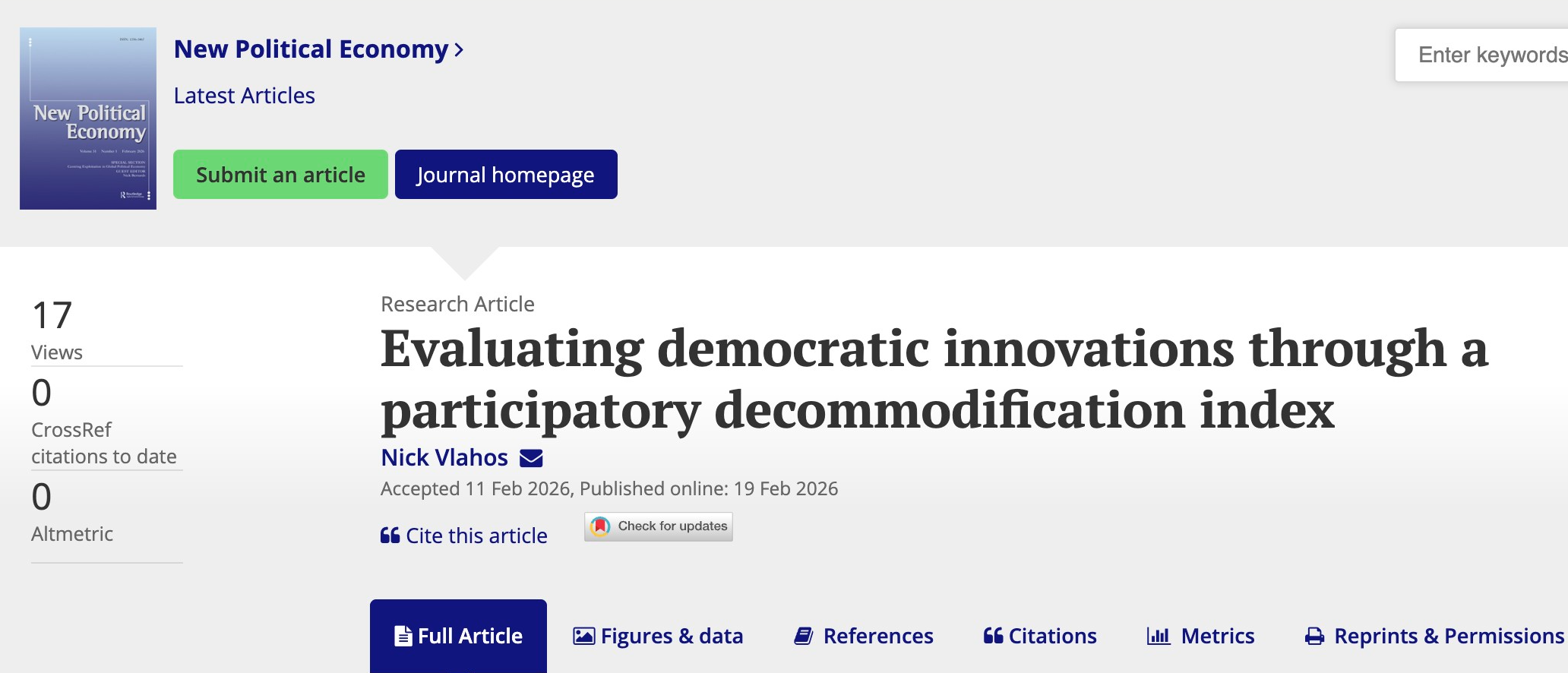
Using global case studies from the Participedia database, the findings reveal that democratic innovations excel in various attributes but rarely deliver substantial redistributive impact.
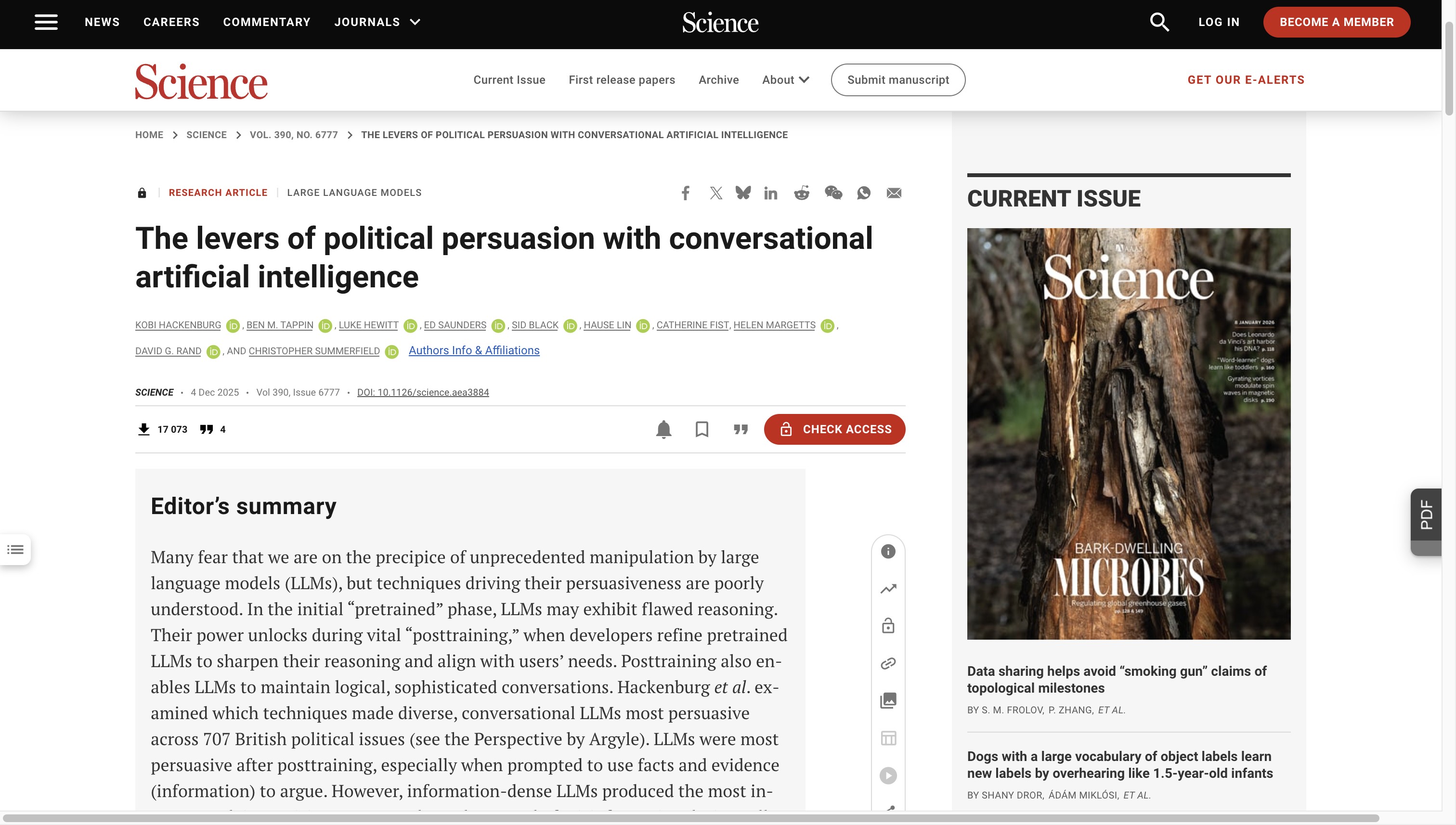
Our findings suggest that the persuasive power of current and near-future AI is likely to stem less from model scale or personalization and more from post-training and prompting techniques that mobilize an LLM’s ability to rapidly generate information during conversation.
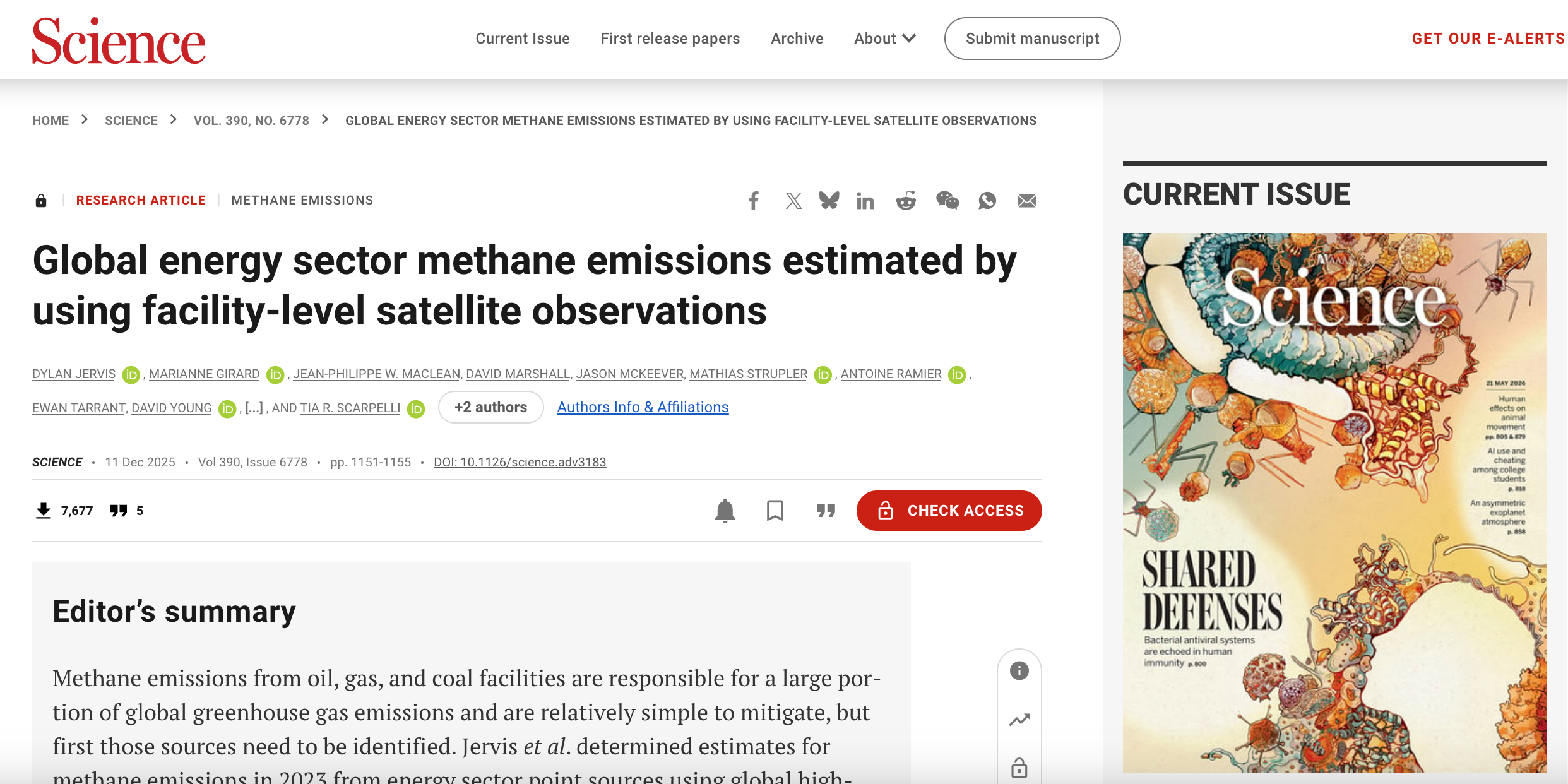
Global energy sector methane emissions estimated by using facility-level satellite observations
Montreal, QC, CanadaGlobal energy sector methane emissions estimated by using facility-level satellite observations
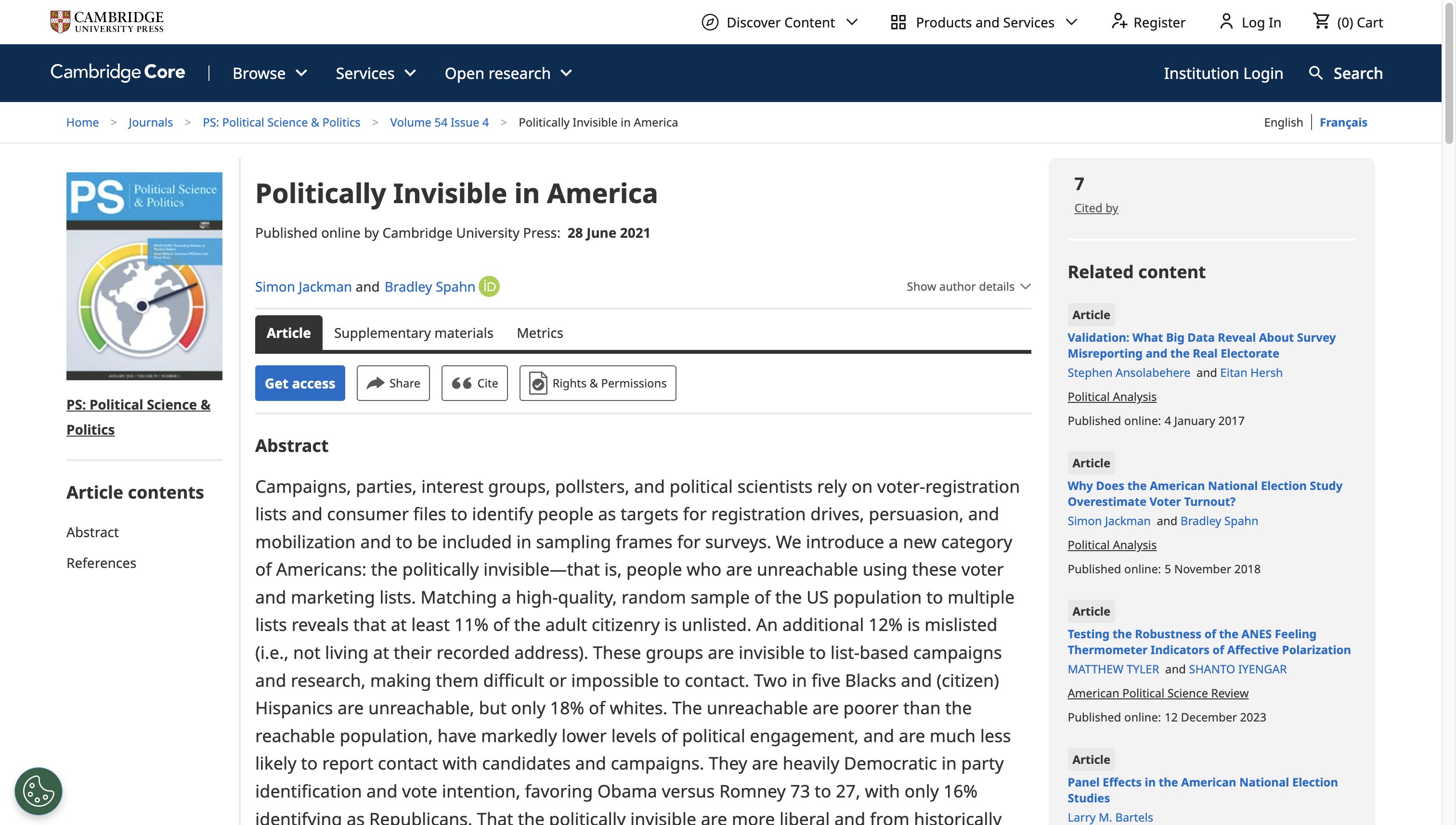
Politically Invisible in America
United States of America 🇺🇸Study finds at least 23% of the US population isn't included in the Voter File
Durably reducing transphobia: A field experiment on door-to-door canvassing
Stanford Graduate School of Business, Knight Way, Stanford, CADurably reducing transphobia: A field experiment on door-to-door canvassing

Disentangling participation in online political discussions with a collective field experiment
Stanford University, Serra Mall, Stanford, CAThese findings support preference- and incentive-based accounts of participation but suggest that light-touch interventions are unlikely to bridge participation gaps, let alone polarization.

a new framework for evaluating detection tools based on their real-world impact and capacity for innovation
Lessons from a Climate Citizens’ Assembly Kawasaki, Japan
Japan (Nihon or Nippon) 🇯🇵The Climate Citizens’ Assembly Kawasaki (CCAK) was implemented in mid-2021 to produce recommendations for the local government to incorporate into its basic climate plan.
“News on the Street”: An Action Research Case Study of Embodied Live Journalism in an Urban Public Space
Nottingham, UKAs journalists look for different ways to tell stories and rebuild communities, this paper details an action research approach to a unique live journalism event in a public space.
"[T]his article proposes an open government framework that integrates multiple concepts related to open government and categorizes them as either constitutive components or potential results"
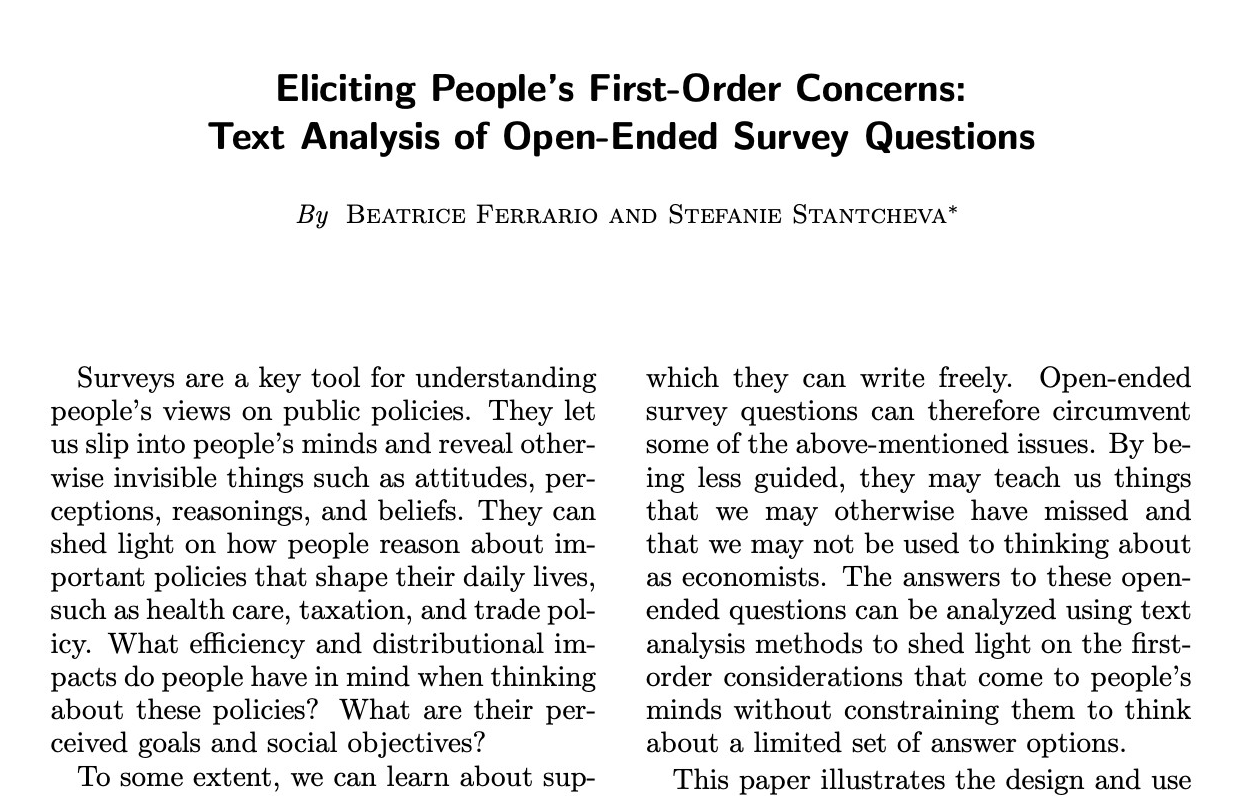
Eliciting People’s First-Order Concerns: Text Analysis of Open-Ended Survey Questions
Harvard University, Cambridge, MAComparing traditionally structured survey questions vs. the benefits of open-ended survey questions combined with text analysis to allow a wider range of responses.

AI technologies can empower public agencies by enabling real-time network monitoring, predictive analytics for risk prevention, and automated responses to cyber incidents

Indicator Academic library
United States of America 🇺🇸This is a regularly updated collection of academic studies and industry reports about digital deception. It currently includes short descriptions of 55 academic studies and systematic reports.

Psychological inoculation improves resilience to and reduces willingness to share vaccine misinformation
Stanford University, Serra Mall, Stanford, CAOur findings suggest that a short, low-cost, gamified intervention can increase resilience to vaccine misinformation.

Level up your defenses! Learn to build resistance against manipulation.

The Cranky Uncle game uses cartoons and critical thinking to fight misinformation.

We provide initial evidence that people’s ability to spot and resist misinformation improves after gameplay, irrespective of education, age, political ideology, and cognitive style.
Combining humor and gamification to build student resilience against climate misinformation
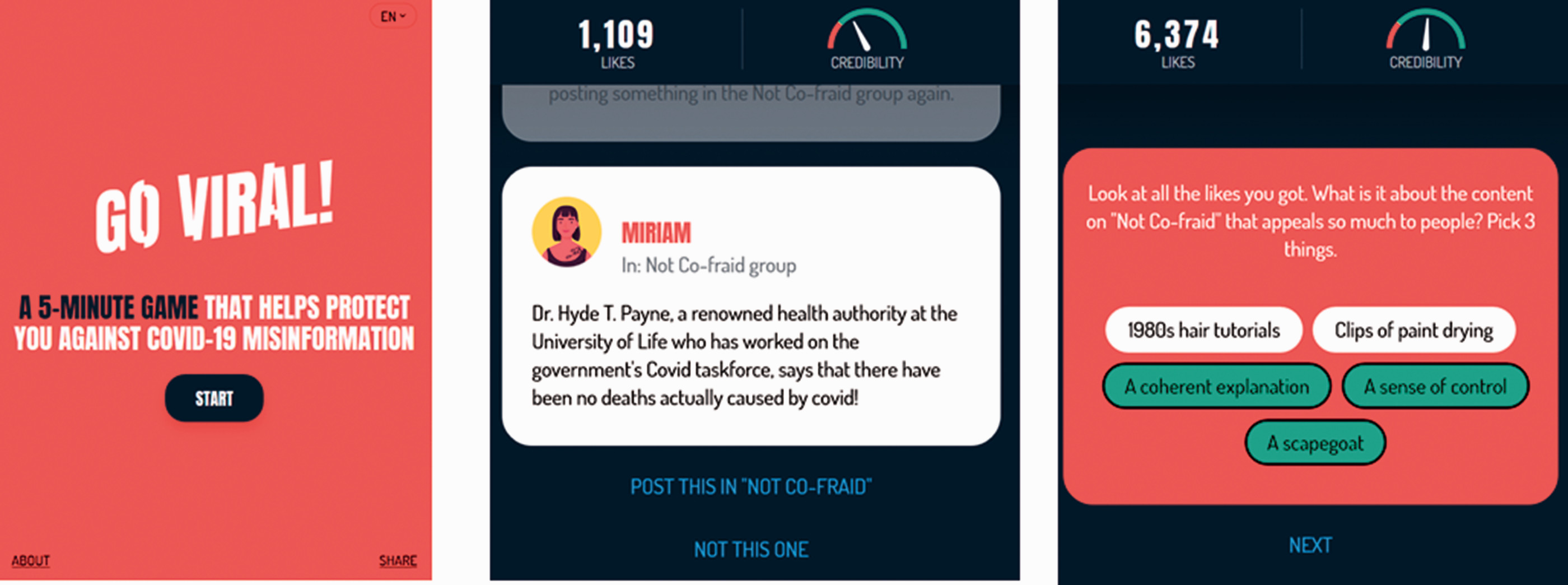
We find that Go Viral!, a novel five-minute browser game, (a) increases the perceived manipulativeness of misinformation about COVID-19, (b) improves people’s attitudinal certainty (confidence) in their ability to spot misinformation and (c) reduces self-reported willingness to share misinformation with others.

Algorithmic Accountability in the UK - How FOIA Sheds Light on Automated Welfare
The University of EdinburghThis study examines 51 Freedom of Information requests to reveal how the UK’s Department for Work and Pensions uses opaque data-driven fraud detection systems in welfare, highlighting the limited transparency, the role of journalists and charities in uncovering details, and inconsistencies in the department’s disclosures.
This paper argues that automated decision-making in UK public administration lacks adequate scrutiny, and proposes regulatory safeguards through mandatory pre-deployment impact assessments and algorithmic auditing to strengthen accountability in Parliament and the courts.
Institutional Pressures and Bureaucratic Responsiveness: Why Do Public Agencies Respond to Freedom of Information Requests?
Tianjin, China"By conducting a national-scale field experiment among 949 provincial-level agencies in China....results show that legal regulative pressure and social normative pressure make agencies more likely to respond within the legal timeframe and provide the requested information."
This paper examines emerging experiences with chatbots in government interactions, with a focus on exploring what public administration practitioners and scholars should expect from chatbots in public encounters.

Directory of Open Access Journals (DOAJ)
Denmark (Danmark) 🇩🇰Directory of Open Access Journals: Find open access journals & articles.

The uneven reach of the state: A novel approach to mapping local state presence
Norway (Norge, Noreg) 🇳🇴A machine learning model trains on geo-located survey data to predict state presence.
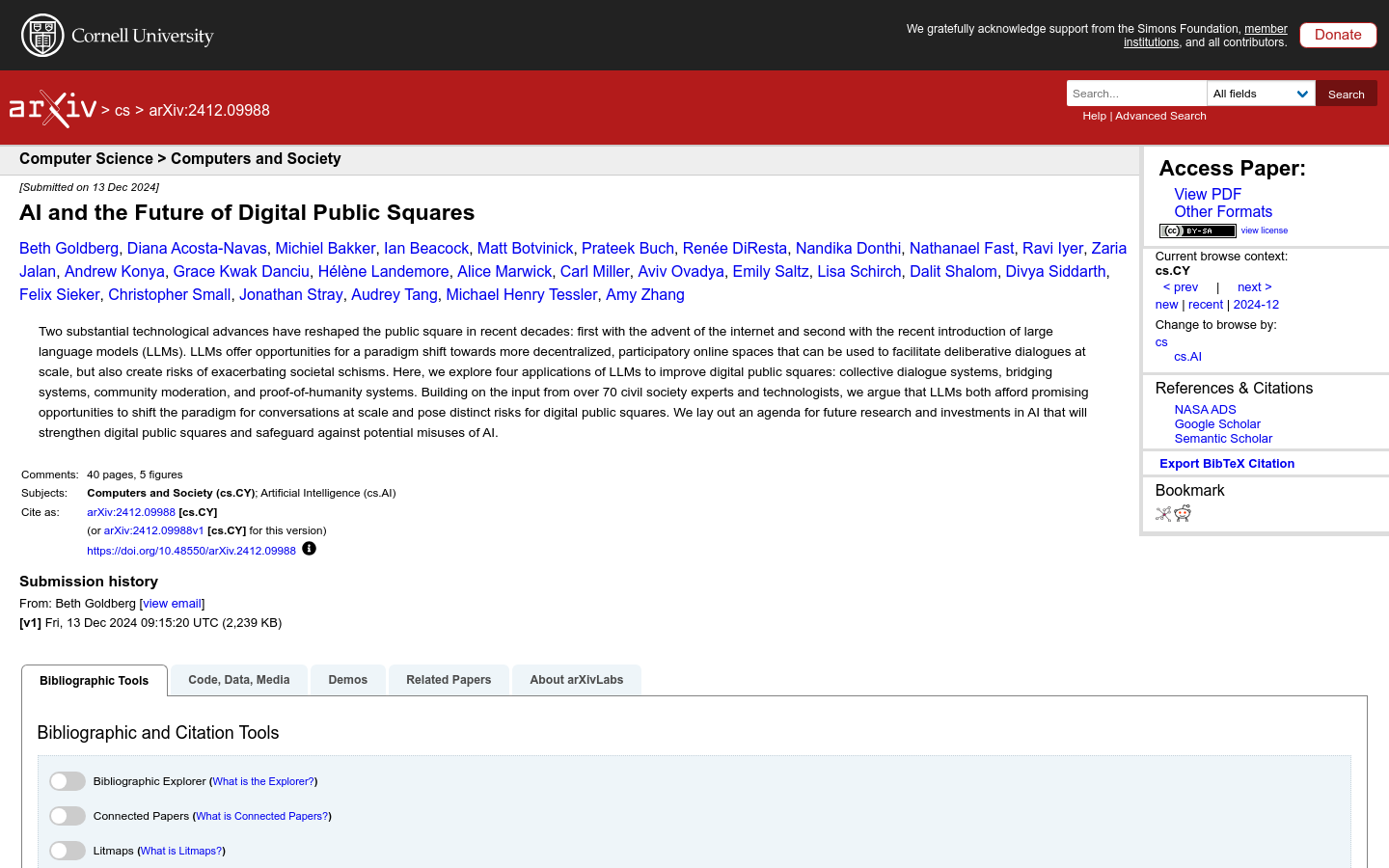
Here, we explore four applications of LLMs to improve digital public squares: collective dialogue systems, bridging systems, community moderation, and proof-of-humanity systems.

Protests in the United States on Palestine and Israel, 2023–2024
Harvard University, Cambridge, MAAnalyzes the size, rhetorical nature, and non-violent nature of the pro-Palestine protest wave, which it finds to be "the largest, most sustained US protests sparked by a foreign event" since their data became available in 2017. Published in Social Movement Studies

Improving Delivery of the Social Safety Net: The Role of Stigma
United States of America 🇺🇸Article in Journal of Public Administration Research and Theory by Jessica Lasky-Fink and Elizabeth Linos

Journal of Democracy
Baltimore, MDFocusing exclusively on democracy, the Journal monitors and analyzes democratic regimes and movements around the world.

Using publicly available satellite imagery and deep learning to understand economic well-being in Africa
Stanford University, Serra Mall, Stanford, CAArticle in Nature by Christopher Yeh, Anthony Perez, Anne Driscoll, George Azzari, Zhongyi Tang, David Lobell, Stefano Ermon & Marshall Burke
AI in the Nonprofit Human Services: Distinguishing Between Hype, Harm, and Hope
New York City (NYC / New York, NY)Article in Human Service Organizations by Lauri Goldkind, Joy Ming, and Alex Fink

The Situate AI Guidebook: Co-Designing a Toolkit to Support Multi-Stakeholder Early-stage Deliberations Around Public Sector AI Proposals
Carnegie Mellon UniversityBy Anna Kawakami, Amanda Coston, Haiyi Zhu, Hoda Heidari, Kenneth Holstein

We propose an alternative platform model that the social fabric an explicit output as well as input. By E. Glen Weyl, Luke Thorburn, Emillie de Keulenaar, Jacob Mchangama, Divya Siddarth, Audrey Tang

In this paper, building on insights from the theory and practice of deliberative democracy, we provide a "Democracy Levels" framework for evaluating the degree to which decisions in a given domain are made democratically.


This article proposes, and presents results from, an online technology platform and a methodology, which can help depolarize sectors of society, with the specific application to the current divisive post-war landscape within Colombia.

AI can help humans find common ground in democratic deliberation (Habermas Machine)
Stanford University, Serra Mall, Stanford, CAGoogle DeepMind and Stanford researchers built the "Habermas Machine" and found that AI mediators generated more palatable summary statements of the discussions, as rated by participants, than human-written summaries, while still representing minority views in the final version.

Generative Agent Simulations of 1,000 People
Stanford University, Serra Mall, Stanford, CAStanford + DeepMind study that used LLMs to simulate people with AI agents based on a 2-hour interview

More and Better! Diversifying electronic participation mechanisms and improving the online services offered by Portuguese municipalities
Guimarães, PortugalThe 2023 edition of the “IPIC – Portuguese Municipal Councils’ Online Presence Index” series of studies presents the results of the evaluation of Portuguese municipal councils’ websites.

Baseline vulnerable road user injury risk in multiple U.S. dense urban driving environments
Mountain View, CAWaymo partnered with dashcam company Nexar to analyze 500 million miles of driving, including 335 crashes, to create the 'largest ever’ dataset of pedestrian and cyclist injuries

A paper published in SSRN by Erica Chenoweth, Zoe Marks

"Importantly, people experiencing distress are more likely to engage in collective action on climate change or express a willingness to do so, even when controlling for several correlates of environmental behavior"
Evidence from Taliban-controlled Afghanistan shows that digital aid is a cost-effective, credible, and efficient way to reach vulnerable populations, in this case poor, tech-illiterate, female-headed households, in fragile states.
Get email updates
Helpful Links
Reach Out
A project of

With support from
National Endowment for Democracy
Founding Organization
Civic Hall
Technology partner

 Civic Tech Field Guide