Civic Tech Field Guide
Sharing knowledge and productively growing the fieldThe Tech > Govtech > Digital transformation - (98)
Government digital transformation projects are initiatives undertaken by public sector entities to integrate digital technologies into all areas of their operations, fundamentally changing how they deliver services, interact with citizens, and achieve greater efficiency, transparency, and accessibility.
Showing 98 Results
A Agência para a Reforma Tecnológica do Estado, I.P. (ARTE) é o instituto público responsável pela direção, coordenação e execução da transformação tecnológica e da digitalização da Administração Pública em Portugal, encontrando-se sob superintendência e tutela do Ministério da Reforma do Estado.

Fondation INRIA
48 Rue Barrault, 75013 Paris, FranceNous rapprochons le monde académique, celui de l'entreprise et la société civile pour soutenir des projets de recherche et d'innovation qui améliorent la vie des gens et le fonctionnement de notre société grâce au numérique.
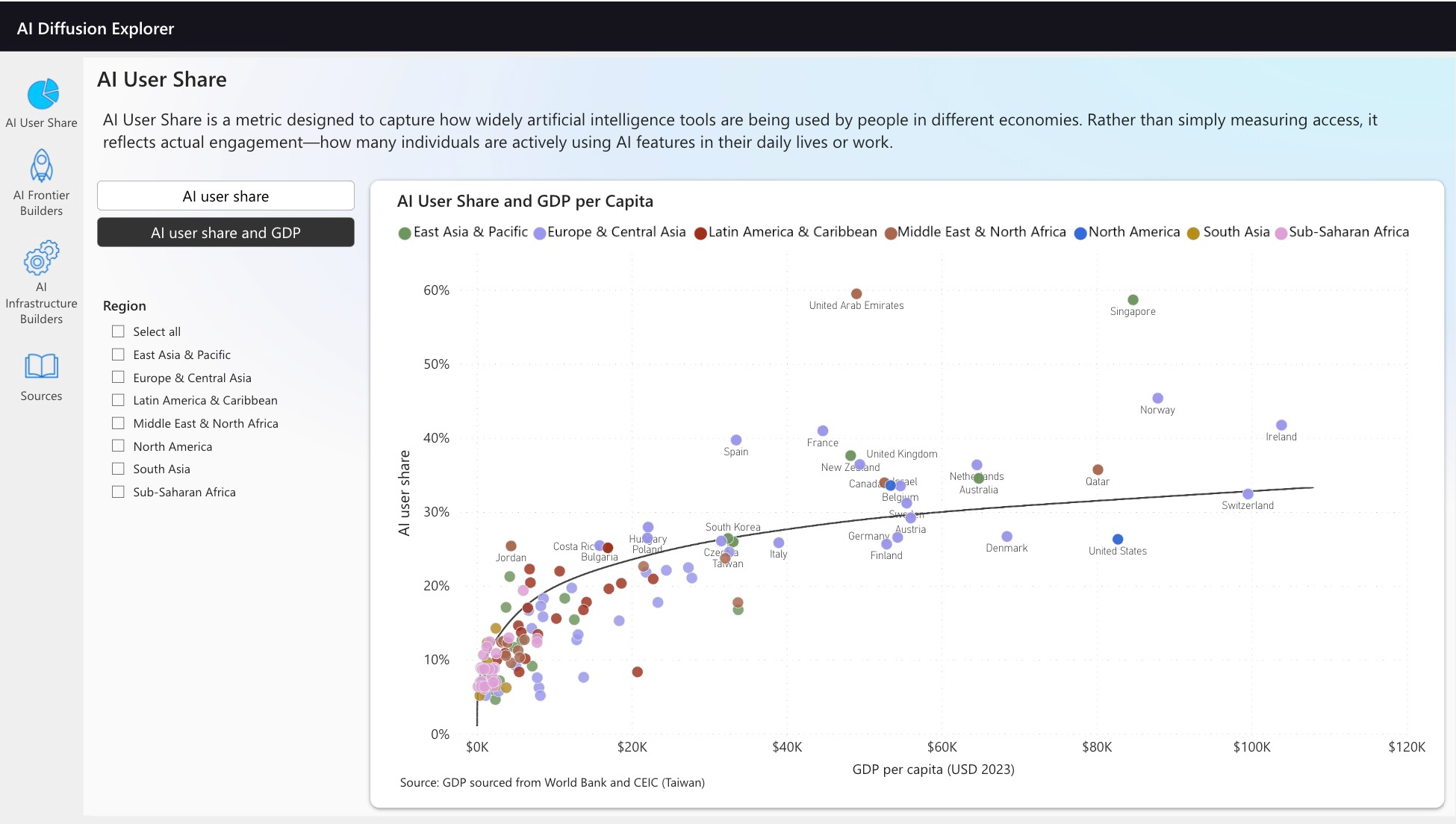
The report introduces three indices—the AI Frontier Index, the AI Infrastructure Index, and the AI Diffusion Index—to help policymakers, researchers, and industry leaders understand where breakthroughs are happening, where capacity exists to scale, and where AI is being used to improve lives.

Social Good Accelerator
ParisTogether, let’s accelerate the digital social economy in France and Europe

The Agentic State
TallinnLaunched at the Tallinn Digital Summit 2025, the Vision Paper maps how agentic AI systems will rewire the core functions of government — spanning public services, crisis management, governance, and procurement — and what technological, organisation, and leadership changes are needed to enable this shift.

Senegal's New Technology Deal
Senegal 🇸🇳Senegal and Gates Foundation Seal $10M Deal to Accelerate Digital Transformation
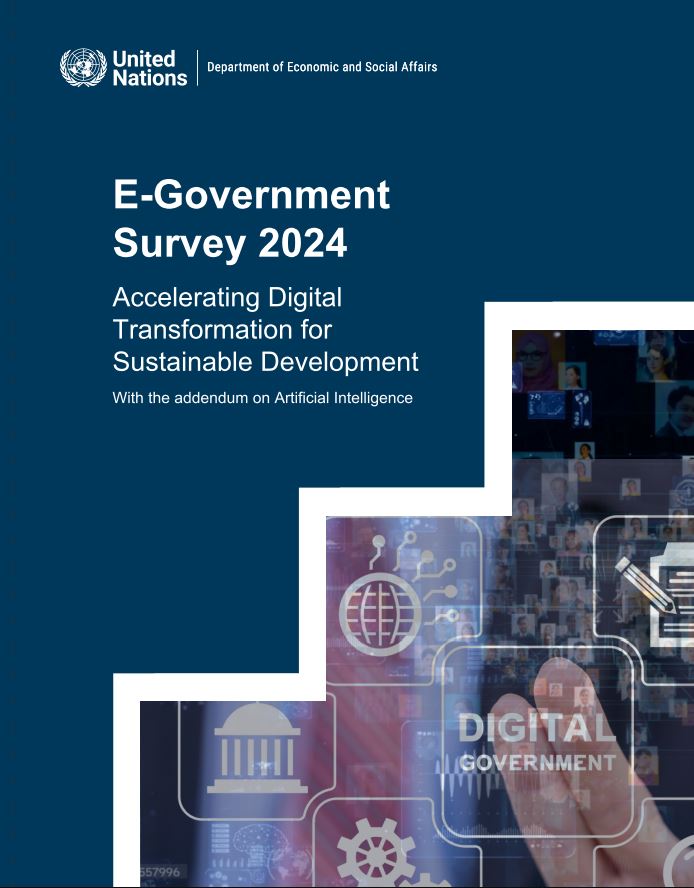
Since 2001, the United Nations E-Government Survey has provided a comprehensive assessment of the digital government landscape across all 193 Member States.
The Division for Public Institutions and Digital Government (DPIDG), a division of the United Nations Department of Economic and Social Affairs (DESA), is committed to advancing effective, accountable and inclusive governance and public institutions for sustainable development, including through innovation, digital government and digital transformation.
The learning outcomes of this training toolkit are crafted to address the frequently voiced challenges associated with implementing and improving government capacities for inclusive and effective local e-government.
The learning outcomes of this training toolkit are crafted to address the frequently voiced challenges associated with implementing and improving government capacities for inclusive and effective local e-government.

The United Nations E-Government Knowledgebase (UN-EgovKB) is a benchmarking tool that provides a comparative assessment of the e-government development of UN Member States.
The Ministry of Electronics and Information Technology (MeitY), under Government of India, is a stand-alone ministerial agency, responsible for formulating and implementing national policies and programs aimed at enabling the continuous development of the electronics and IT industry.

Operation Vulindlela
South Africa (South Africa, Afrika-Borwa, Suid-Afrika) 🇿🇦Operation Vulindlela is a joint initiative of the [South African] Presidency and National Treasury to accelerate the implementation of structural reforms and support economic recovery.

MyMzansi
South Africa (South Africa, Afrika-Borwa, Suid-Afrika) 🇿🇦A Roadmap for the Digital Transformation of the South African Government
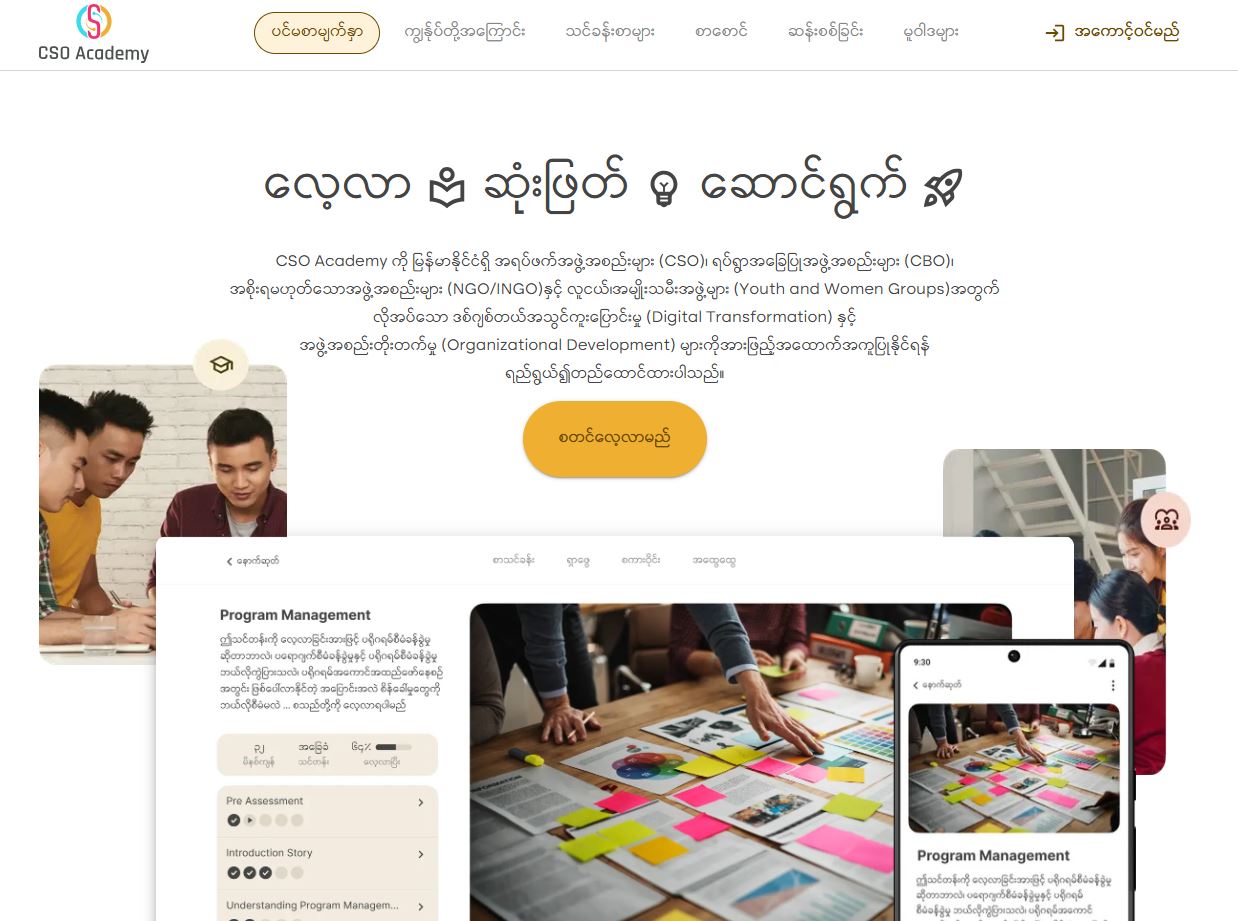
CSO Academy
Myanmar (Myăma) 🇲🇲An online academy platform for CSO professionals

The DPI Approach: A Playbook
India (Bhārat) 🇮🇳This DPI playbook is designed as a practical and public resource that low and middle-income countries (LMICs) in particular can utilize in building an inclusive and rights-based DPI.

National Committee on Digital Transformation (Laos)
Laos, the People's Democratic Republic of 🇱🇦The new committee will set guidelines, strategies, policies, and mechanisms to guide and implement the transformation of the digital economy at central and local government levels.

Open Digital Planning
United Kingdom of Great Britain and Northern Ireland 🇬🇧A community of forward-thinking Local Planning Authorities working together to shape a more efficient, data-driven planning system.

Levelling-up and Regeneration Act 2023 Bill
United Kingdom of Great Britain and Northern Ireland 🇬🇧Requiring open digitalisation and publication of planning data in the UK

Open Government Products (Singapore)
Singapore 🇸🇬Explore 40 over products built for citizens and public officers

Das neue Ministerium wird Motor sein für konkrete, sichtbare Fortschritte bei der Digitalisierung und eine moderne, handlungsfähige Verwaltung.
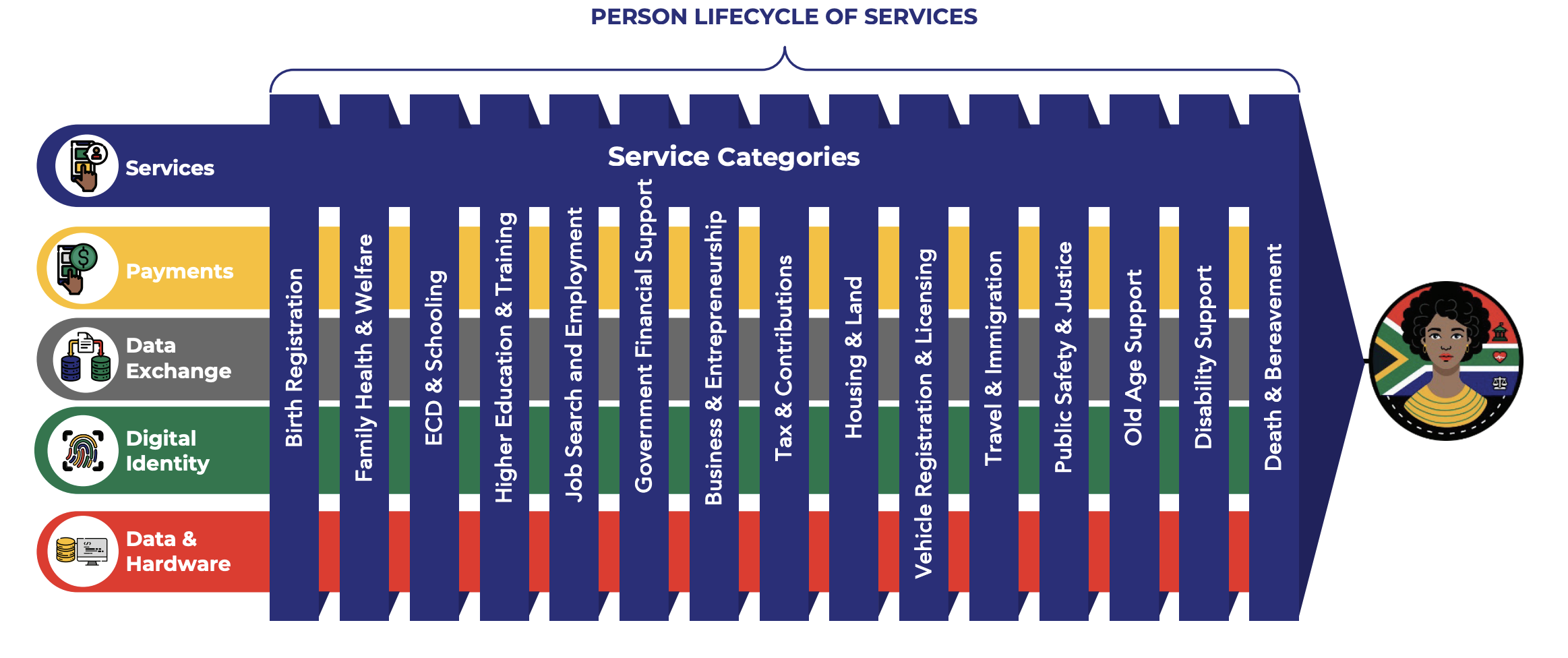
South Africa’s Roadmap For The Digital Transformation Of Government
South Africa (South Africa, Afrika-Borwa, Suid-Afrika) 🇿🇦The Roadmap for the Digital Transformation of the South African Government addresses the urgent need for a transformative shift in governmental operations

Conhecimento e prática para a transformação do Estado

Global Trends in Government Innovation 2024
OECD, Rue André Pascal, Paris, FranceThis report analyses nearly 800 case studies from 83 countries and identifies five critical trends in government innovation that are reshaping public services.

Agência para a Modernização Administrativa (AMA)
Rua de Santa Marta no. 55A Agência para a Modernização Administrativa, I.P. (AMA) é o instituto público responsável pela promoção e desenvolvimento da modernização administrativa em Portugal.

The Curve
United Kingdom of Great Britain and Northern Ireland 🇬🇧The Curve is a series of free, 90-minute workshops for third sector organisations.

Digital Trustees
United Kingdom of Great Britain and Northern Ireland 🇬🇧We're aiming to get digital on the agenda of every charity board in the UK.

Digital Leads Network
United Kingdom of Great Britain and Northern Ireland 🇬🇧We’re a growing community of not-for-profit digital leads committed to making the most of digital technology for positive social impact, by sharing best practice and peer-to-peer learning.

Accelerate innovation, investment and productivity through world-class science, ensure that new and existing technologies are safely developed and deployed across the UK and drive forward a modern digital government for the benefit of its citizens.

The E-Government Development Index presents the state of E-Government Development of the United Nations Member States.

International Conference on Theory and Practice of Electronic Governance (ICEGOV)
Guimarães, PortugalIt was conceived in 2007 as an annual gathering to bring together academia, governments, international organisations, civil society, and industry to share the latest insights and experiences in the theory and practice of Electronic Governance (now more commonly referred to as Digital Governance).

Digital Government Assessment Programme
Guimarães, PortugalThis project aims to conduct a comprehensive study of the relevant and available literature and present research findings that will assist the Digital Government Authority (DGA) in enhancing the online presence of key government entities in the Kingdom of Saudi Arabia (KSA).

Portugal Digital Fellowship at United Nations University
Guimarães, PortugalThe envisaged participants of this Capacity Building Programme are high-level officials from developing countries.

Localret
BarcelonaLocalret és el consorci local format per les administracions locals de Catalunya per acompanyar els municipis en la seva transformació digital

Chief Digital Office at UNDP
GenevaThe Chief Digital Office (CDO) was created in 2019 to enable, accelerate and promote digital transformation within UNDP and throughout its programmatic work.

Governo Digital Brasil
Brazil (Brasil) 🇧🇷Ministério da Gestão e da Inovação em Serviços Públicos

Prêmio "CLEODON SILVA" de Soluções Digitais Livres
Brazil (Brasil) 🇧🇷A iniciativa visa fomentar o desenvolvimento de soluções inovadoras para a gestão do fomento à cultura no Brasil, em homenagem à memória de Cleodon Silva.

The UK's National Programme for IT
United Kingdom of Great Britain and Northern Ireland 🇬🇧[A]n ambitious programme launched in 2002 with an initial budget of some £6.2 billion. It attempted to implement a top-down digitization of healthcare in England's National Health Service (NHS)

Organise Lab
LondonOrganiselab.org is an advocacy group & community making the case for a digital transformation, and innovation across all levels of the UK trade union movement.

The Bank launched GovTech Working Groups to provide thought leadership, facilitate the exchange of ideas, and support the development of sound GovTech solutions. Community building and impact-driven collaboration are the core objectives of this initiative.

Transforming Flanders digitally
FlandersThe Government of Flanders is developing the digital talents of all people of Flanders. It valorises data as a raw material of the economy and society and is working on the digital transformation of public service delivery.

Future-Proofing Congress
United States of America 🇺🇸How Member-Led Upgrades Are Optimizing Legislative Branch Capacity and Resilience

Technology Modernization Fund
GSA (General Services Administration), F Street Northwest, Washington, DCWe drive modernization in federal IT that better serves agencies and the American public.

The moda is committed to promoting suitable digital tools and open mindsets through building resilience and co-creation, powering Taiwan’s shift from a digital island to a global model of digital democracy and innovation.

Democracy Network (Taiwan)
TaipeiConnecting the international community’s and Taiwan’s digital development and democratic governance experiences, leveraging the power of democracy networks to promote civic technology and decentralized autonomy, enhancing network development digital resilience.


NHS Transformation Directorate
United Kingdom of Great Britain and Northern Ireland 🇬🇧Transformation to improve health and care for everyone

e-Governance Academy
TallinnThe e-Governance Academy (eGA) is a non-profit foundation that assists public sector and civil society organisations in making digital transformation happen.

The First Digital Nation
Tuvalu 🇹🇻An award-winning campaign promoting the low-lying nation of Tuvalu's transition to a digital nation in the face of rising sea levels
Get email updates
Helpful Links
Reach Out
A project of

With support from
National Endowment for Democracy
Founding Organization
Civic Hall
Technology partner

 Civic Tech Field Guide