Civic Tech Field Guide
Sharing knowledge and productively growing the fieldAdjacent Fields > Digital security and privacy > Digital rights - (100)
Digital rights are the human rights and legal rights that apply in the digital domain, including the right to privacy, freedom of expression, access to the internet, protection from digital discrimination and harassment, and the right to knowledge about how personal data is used.
Showing 100 Results

Digital Justice Fund
EuropeThe Digital Justice Fund works towards nurturing an ecosystem where groups resisting violent technological harms and imagining more nourishing relationships with technologies have the resources they need to dream, organise, build and thrive towards liberatory digital presents and futures.

Candidats.fr
France 🇫🇷À l'occasion des élections municipales et communautaires des 15 et 22 mars 2026, l'April propose aux personnes candidates de signer le Pacte du Logiciel Libre afin de marquer leur engagement, si elles sont élues, à promouvoir et défendre une priorité aux logiciels libres et aux formats ouverts au sein de leurs collectivités.
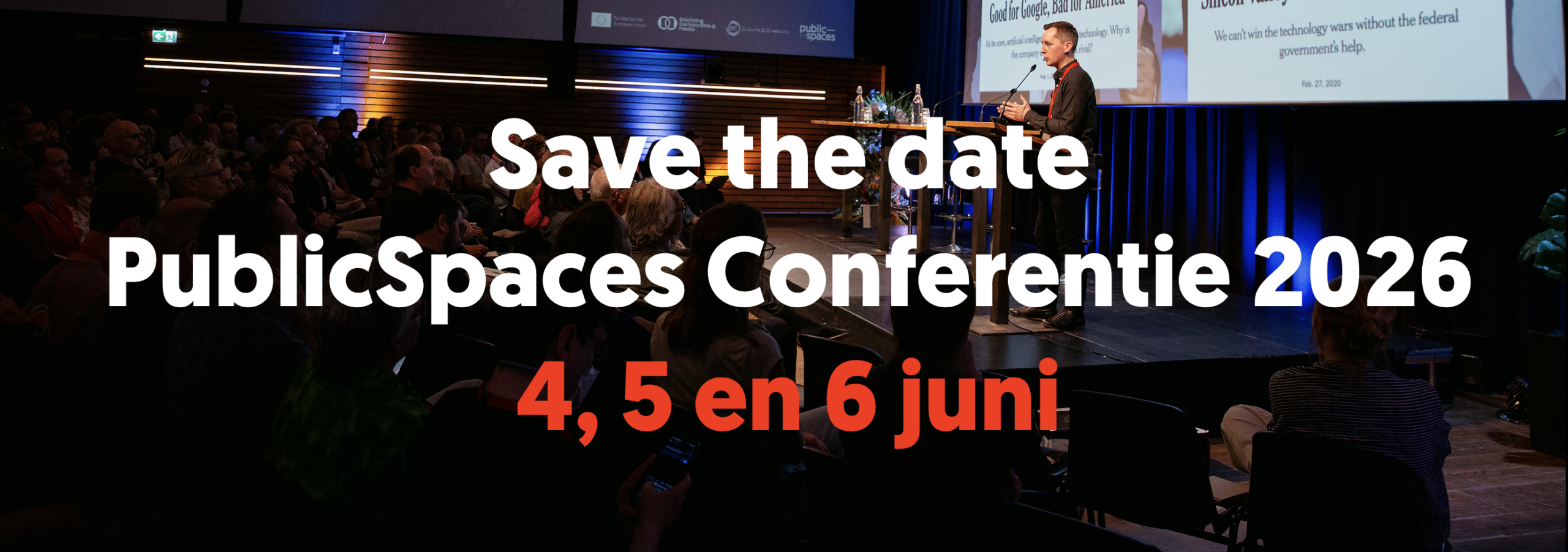
PublicSpaces Conference
AmsterdamPublicSpaces is een netwerk van publieke organisaties die samen strijden voor een internet gebaseerd op publieke waarden.
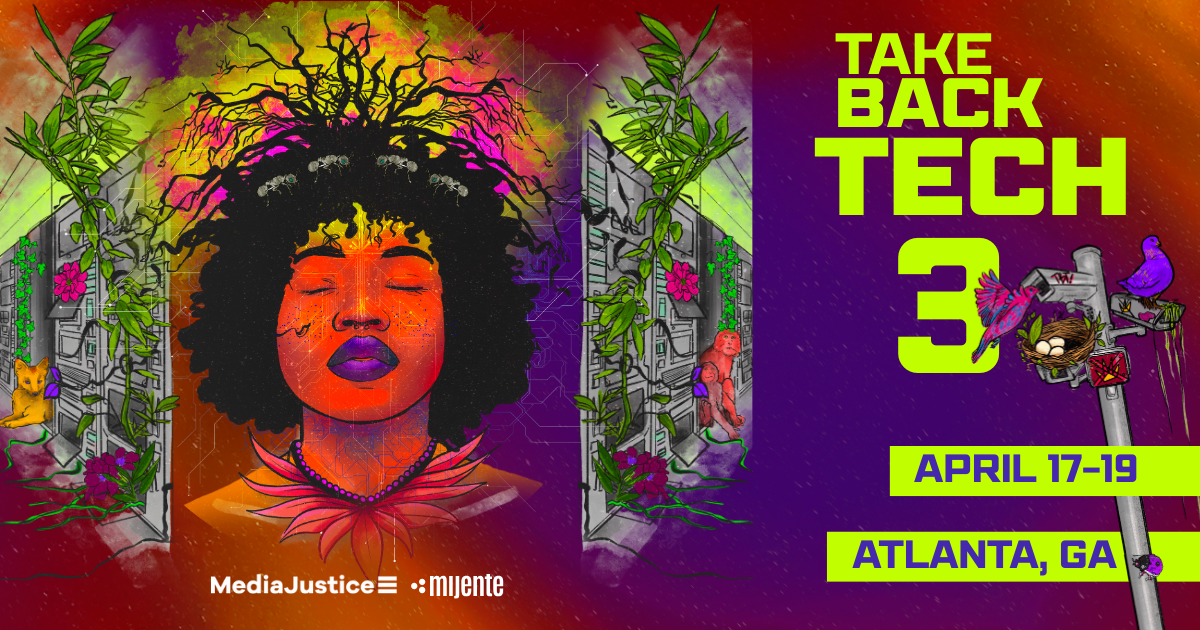
Take Back Tech
Atlanta, GATake Back Tech is a gathering for organizers, artists, tech workers, academics, lawyers, and more to rally together and strategize our next power-building moves.

O data_labe é uma organização que emerge das favelas e periferias com o propósito de descomplicar a cultura dos dados e os direitos digitais.
Digital Rights Community Global Gathering
Estoril, PortugalThe Global Gathering brings together groups from around the world that are working on the most urgent technology-related challenges affecting human rights, social justice, civil society, and journalism at the local, regional and global levels.
El Consorcio AlSur está conformado por 11 organizaciones latinoamericanas que articulan acciones conjuntas para promover los derechos humanos en entornos digitales a nivel regional.
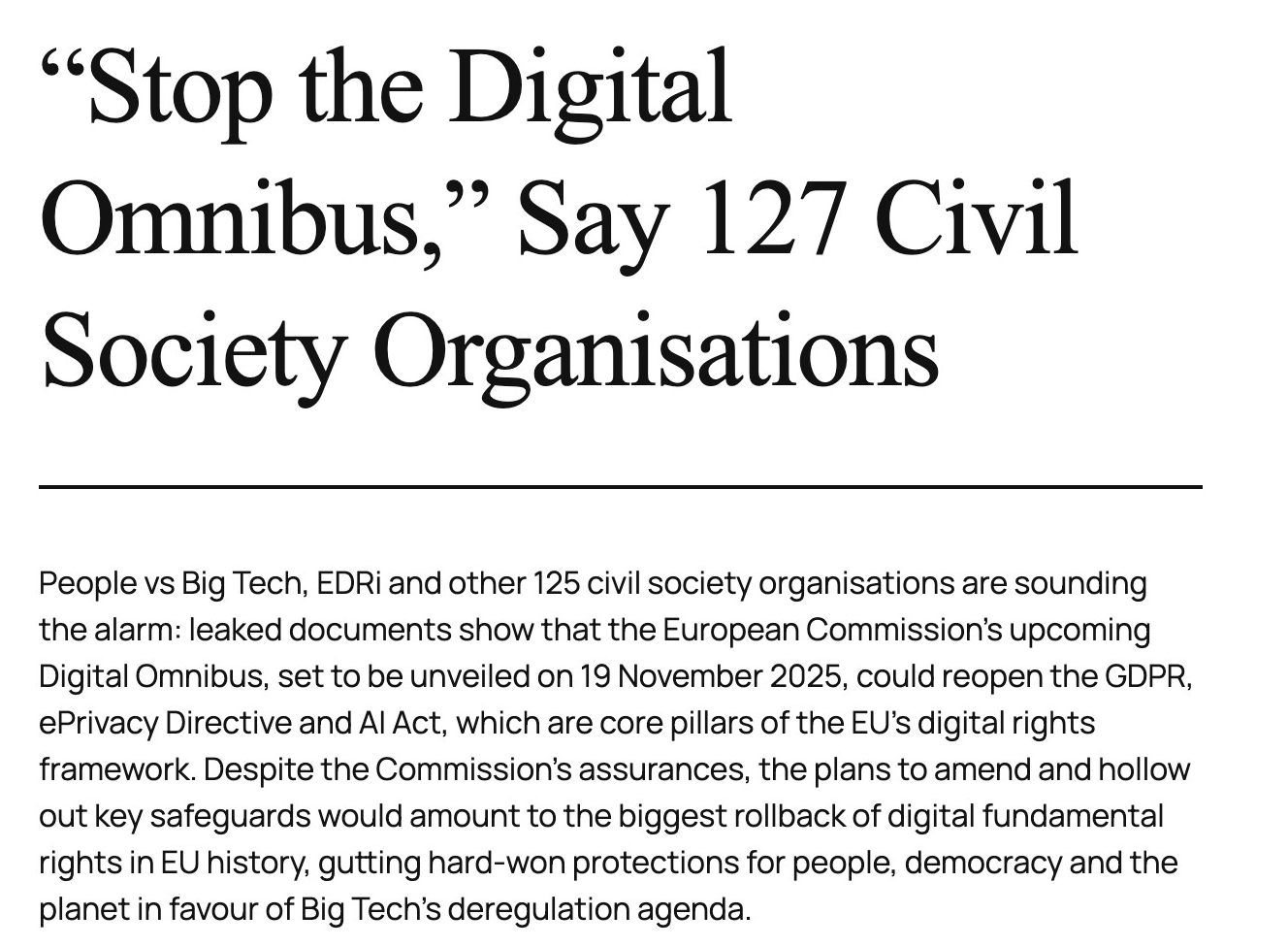
Stop the Digital Omnibus
EuropePeople vs Big Tech, EDRi and other 125 civil society organisations are sounding the alarm: leaked documents show that the European Commission’s upcoming Digital Omnibus, set to be unveiled on 19 November 2025, could reopen the GDPR, ePrivacy Directive and AI Act, which are core pillars of the EU’s digital rights framework.

Open Data China
ShanghaiWe are a social enterprise in China applying open principles to shaping and governing the digital future
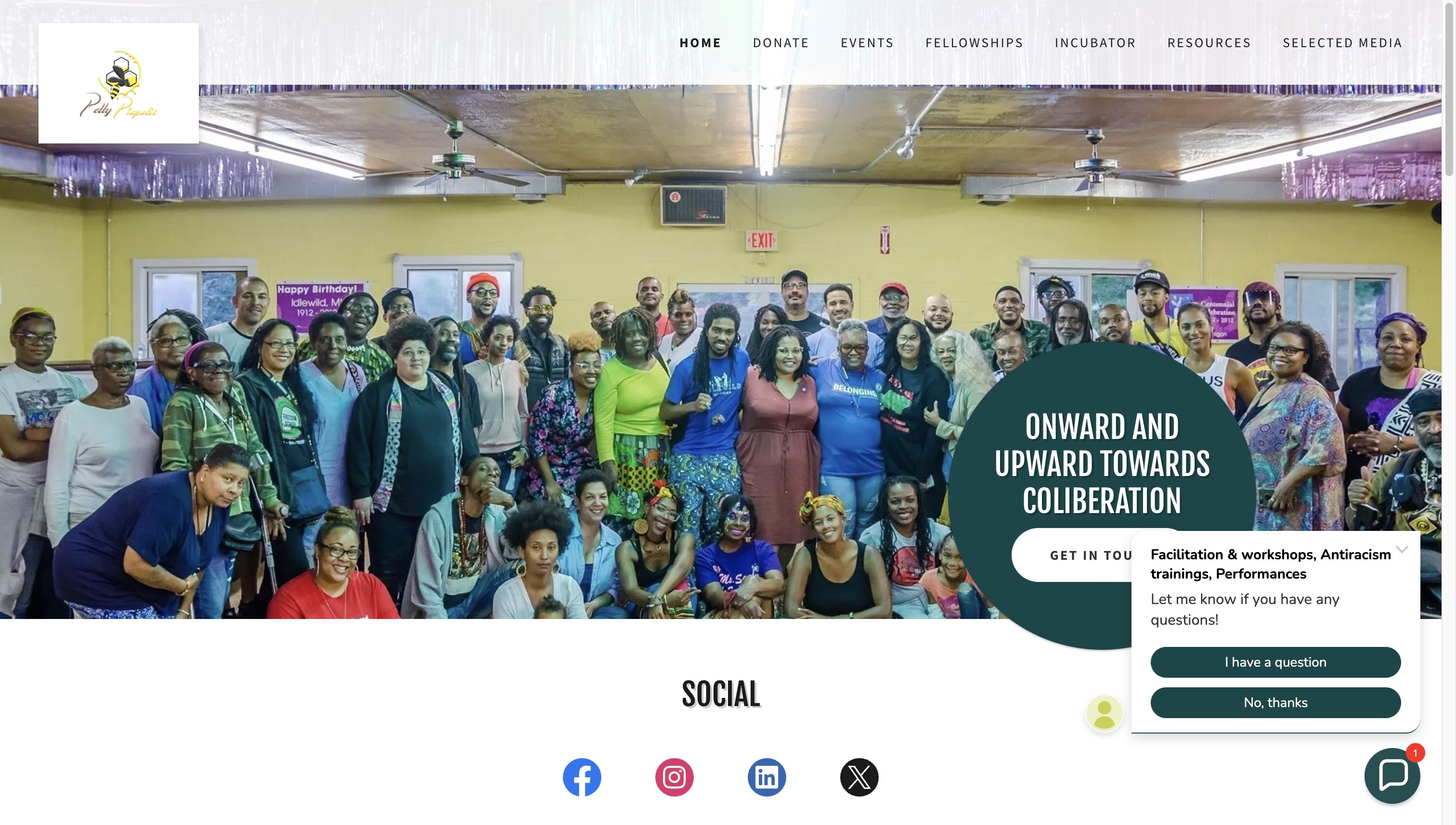
Petty Propolis
DetroitPetty Propolis cultivates visionary resistance through poetry, literary workshops, anti-racism facilitation, and social justice initiatives.

The City Pact for Digital Rights and Democratic Technologies is born with a clear mission: to ensure that digitalization in Barcelona is fair, equitable, and sustainable.
K+Lab
BogotáIt is our response to the digital security problems faced by civil society organizations, journalists, human rights defenders and activists in Colombia and our way of contributing to the principle of co-responsibility introduced by the Digital Security Conpes in 2016.
Algorights
BarcelonaRed colaborativa que promueve la protección de los derechos humanos y la participación de la sociedad civil en el ámbito de las tecnologías de la IA.

Global South Alliance Digital Library System
Brazil (Brasil) 🇧🇷This pioneering project systematically documents and organizes over 5,000 resources from civil society organizations in the Global South dedicated to advancing digital rights.

Bolo Bhi
Pakistan 🇵🇰Bolo Bhi is a civil society organization geared towards advocacy, policy, and research in the areas of digital rights and civic responsibility.

Data Privacy Brazil (DataPrivacyBR)
São PauloOur mission is to promote fundamental rights and values rooted in social justice in the face of contemporary technologies and datafication processes.

InternetBolivia.org
La PazOrganización ciudadana para la defensa de derechos digitales y el uso ético del internet en Bolivia

Digital Access (Cameroon)
Cameroon (Cameroon, Cameroun) 🇨🇲Digital Access is a non-profit social enterprise that aims to promote digital opportunities for young people.

Ripoti Africa
LagosRIPOTI is a platform developed by Paradigm Initiative to enable individuals, CSOs, human rights defenders, advocates, activists, and the general public to report and collaboratively address African digital rights violations.

Global South Alliance
GlobalThe GSA's work is mainly focused on unifying Global South NGOs dedicated to the advancement of digital rights.

Masaar
Egypt (Misr) 🇪🇬We are a group of lawyers and technologists interested in enhancing and promoting digital rights and related freedoms in Egypt.

Freedom Forum
Nepal 🇳🇵Freedom Forum is a non-governmental organization, working for institutionalization of democracy, protection and promotion of human rights, press freedom, freedom of expression and right to information in Nepal.

DRIF is an important platform where conversations on digital policy in the Global South are shaped, policy directions debated and partnerships forged for action.

Tech Global Institute
TorontoPromoting equity for the Global South on the open Internet

The Centre for Communication Governance at National Law University Delhi (CCG) is a research centre within NLU Delhi and is meant to ensure that the Indian legal education establishment engages more meaningfully with communication law and policy, and offers academic contribution to communication policy making.

Make sure you’re prepared by brushing up on your rights before heading out into the streets.

Paradigm Initiative
LagosConnecting African youth with digital opportunities and ensuring digital rights for all.

AlgorithmWatch's new campaign seeks to crowdsource reports of algorithmic discrimination. If you've experienced it or know someone who has, you can report it

Scanning the Horizon
GlobalThe report serves as an entry point to this ‘forecasting’ stream of work that organizations working in the digital rights ecosystem often overlook, especially when resources are scarce, and they are focused on current challenges and ongoing projects.

The 2022 Ranking Digital Rights Telco Giants Scorecard
740 15th Street, N.W., Suite 900 Washington, DC 20005Ranking Digital Rights's inaugural Telco Giants Scorecard reveals that telecom companies, despite being gatekeepers of the internet for most of the world, are less transparent overall and more susceptible to government demands than their Big Tech peers.

Twin Cities Innovation Alliance
MinneapolisOur mission is to build and develop a problem-solving ecosystem fueled by a critical mass of diverse, highly engaged residents, policymakers, and entrepreneurs made up of Black Indigenous and People of Color, in addition to other marginalized groups traditionally identified as the end-users and consumers of innovation and design, and transforming them into the innovators, purveyors, and beneficiaries.

KICTANet
NairobiKICTANet is a multi-stakeholder think tank in Kenya that serves as a catalyst for ICT sector reforms through policy advocacy, capacity building, research, and stakeholder engagement.

Myanmar Internet Project
Myanmar (Myăma) 🇲🇲The Myanmar Internet Project was established in 2022 by a collective of researchers, practitioners and advocates with years of experience tracking developments in the Myanmar digital space.


With a focus on migration, technology, and human rights, we actively interrogate tech experiments on people crossing borders.

Trustworthy Digital Infrastructure for Identity Systems
United Kingdom of Great Britain and Northern Ireland 🇬🇧Enhancing the privacy and security of national digital identity systems

OpenGovLoc
Cameroon (Cameroon, Cameroun) 🇨🇲OpenGovLoc, a digital transformation project, is a scaling-up operation in 4 priority municipalities and the involvement of 20 other municipalities in the use of digital technology to promote accountability and local participation led by young people.

Surveillance Watch is an interactive map that documents the hidden connections within the opaque surveillance industry.

ADISI - CAMEROUN
Cameroon (Cameroon, Cameroun) 🇨🇲ADISI-Cameroun est une organisation de la société civile qui a pour cœur de métier l’information et la gouvernance de celle-ci.

Hiperderecho
Lima, PeruSomos una asociación civil peruana sin fines de lucro dedicada a investigar, facilitar el entendimiento público y promover el respeto de los derechos y libertades en entornos digitales.


The Catalyst Fund was launched in October 2023 to support the burgeoning ecosystem of actors working on the intersection of digital rights and climate justice to build cross-territorial strategies and weave thematic threads across movements.

Trabajamos en la defensa de los derechos digitales colectivos para lograr un entorno más abierto y colaborativo

Delete Nothing
Colombo, Sri LankaDelete Nothing aims to document technology-related gender-based violence in Sri Lanka, particularly but not limited to the experiences of girls, women, and queer and trans people in Sri Lanka.

Privacy Stack
MassachusettsAn open source starter app that comes with user accounts that include: data access, do not sell, data deletion, undo sign up, and other features.

Helpful Places
TorontoHelpful Places is a mission-driven company that helps organizations, and the communities they serve, harness the power of technology in ways that are transparent, inclusive, participatory, and in alignment with the community's goals.
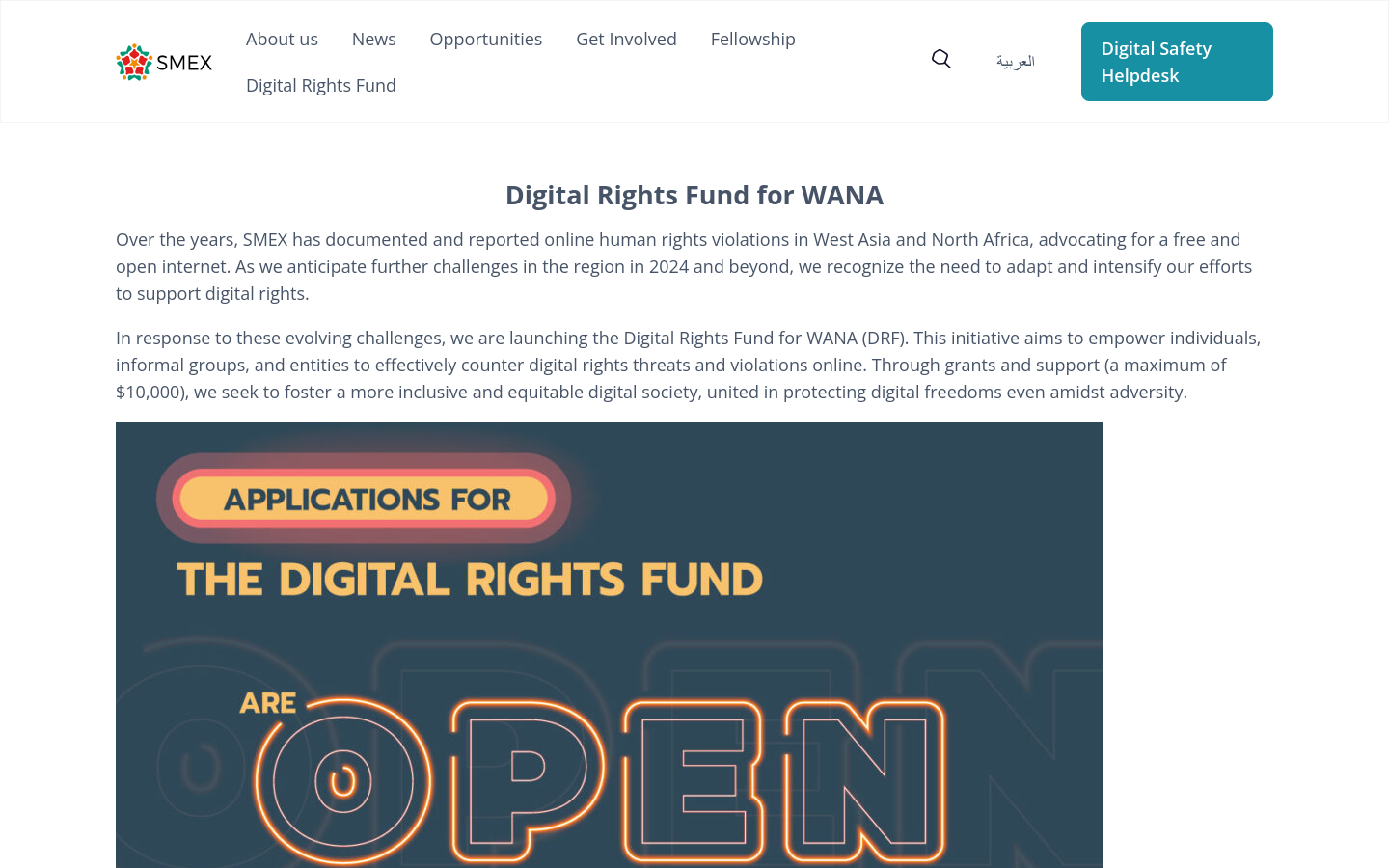
This initiative aims to empower individuals, informal groups, and entities to effectively counter digital rights threats and violations online.

digitalhelpdeskforcities.org is a platform for public officials, specialists, collaborators, and organisations globally who want to promote an inclusive and democratic development of new technologies in their cities.
Get email updates
Helpful Links
Reach Out
A project of

With support from
National Endowment for Democracy
Founding Organization
Civic Hall
Technology partner

 Civic Tech Field Guide