Civic Tech Field Guide
Sharing knowledge and productively growing the fieldThe People > Evaluate impact - (135)
Demonstrating impact in the civic tech field can be hard. In this section of the guide, you will find tools that can be used by governments, organizations and communities to track performance, collect data and manage impact. In addition to resources for building monitoring and evaluating systems, you can explore databases to analyze public policy or researches on how entities and nonprofits that use tech and data are generating positive effects.
Showing 135 Results

In this report, we examine AI chatbots through the lens of dark patterns — deceptive or manipulative design choices that may undermine user autonomy or well-being.
This report examines the impact of five popular chatbots and text-based AI services on the UK's information supply chain and democracy in real time.
O Índice de Transparência dos Portais Legislativos é um mecanismo de avaliação da transparência dos portais do Poder Legislativo.
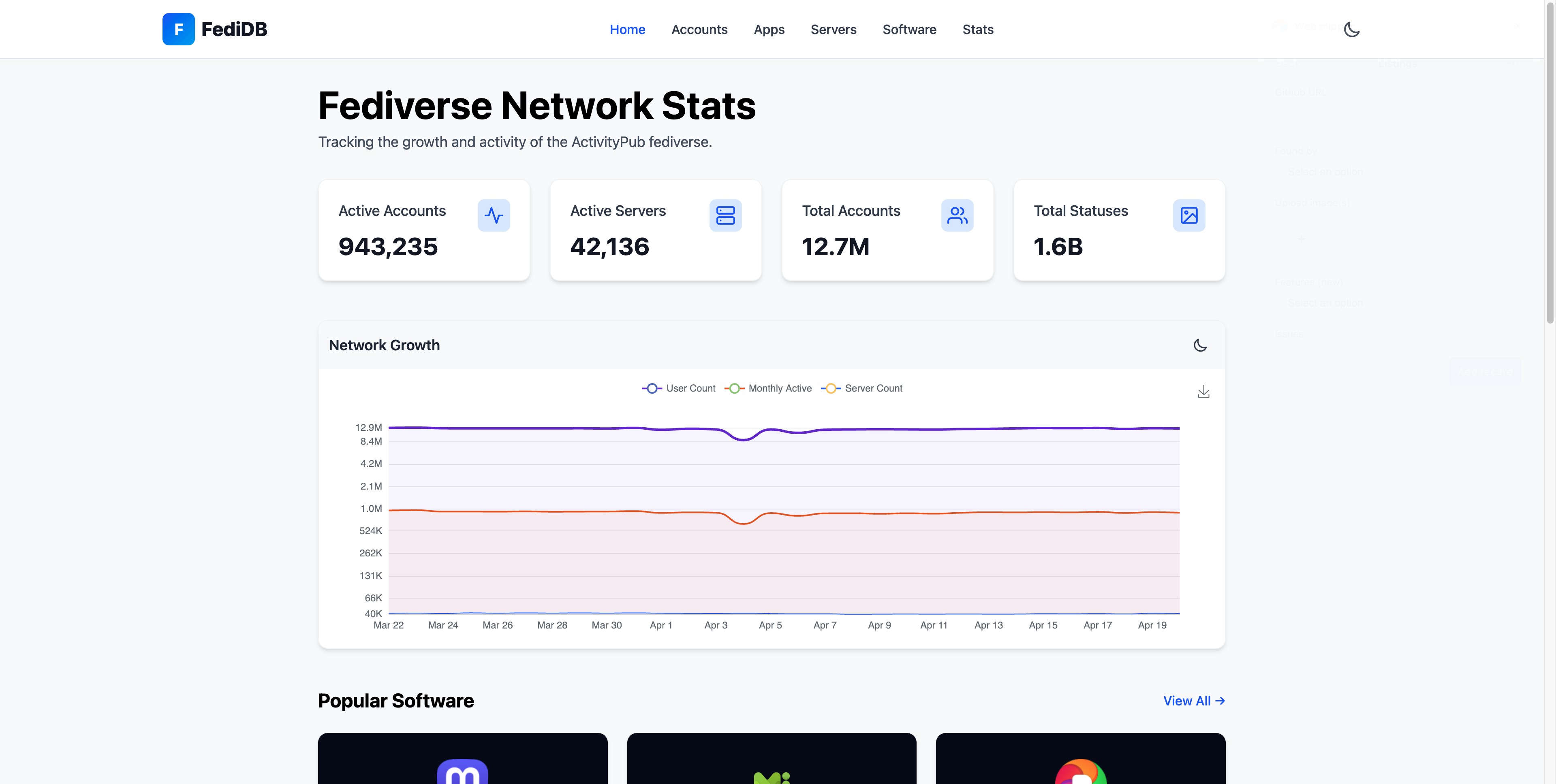
The Complete Fediverse Directory & Analytics Platform

A day dedicated to bold thinking, shared learning, and re-imagining the role of evaluation.
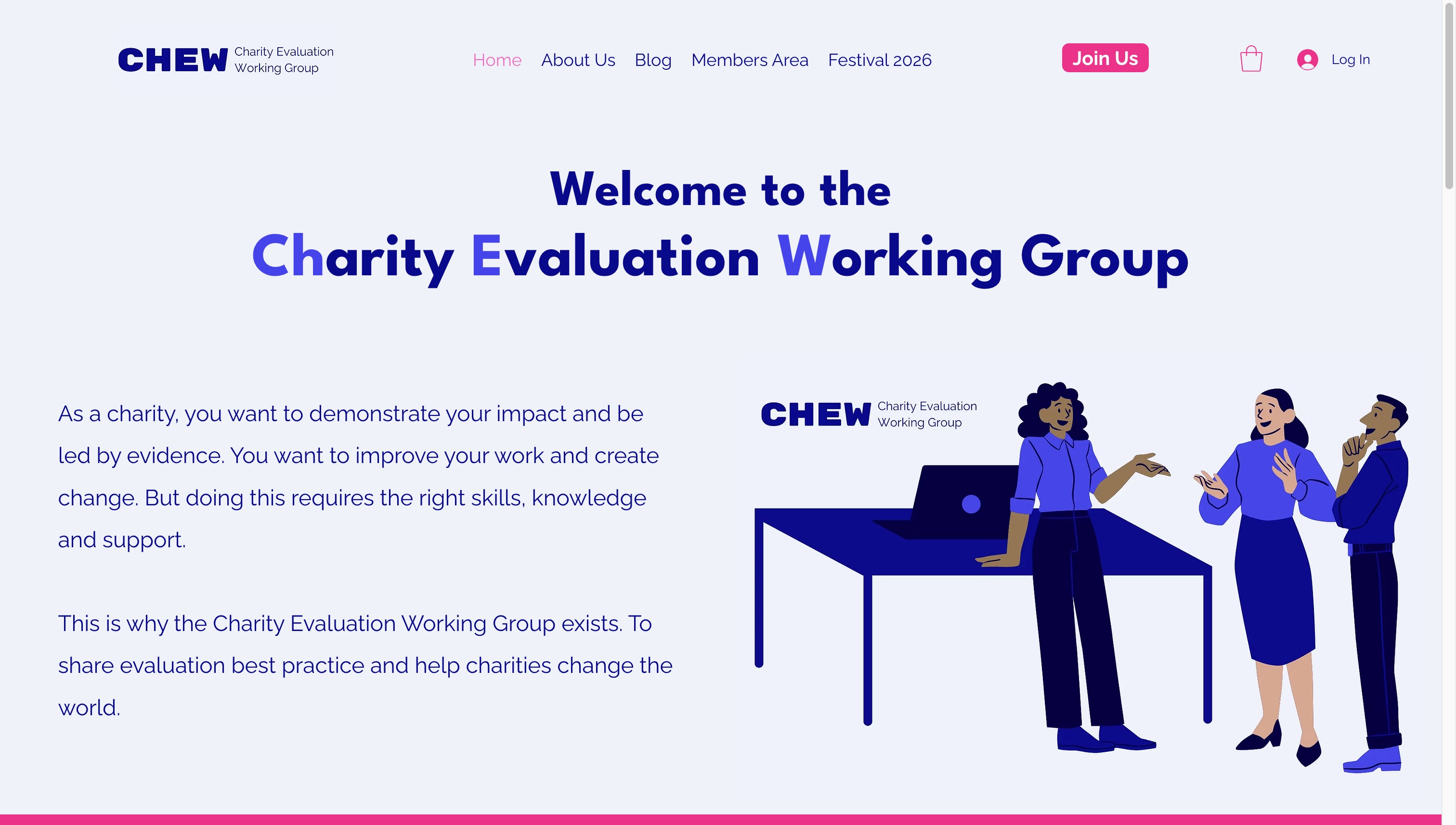
To share evaluation best practice and help charities change the world.
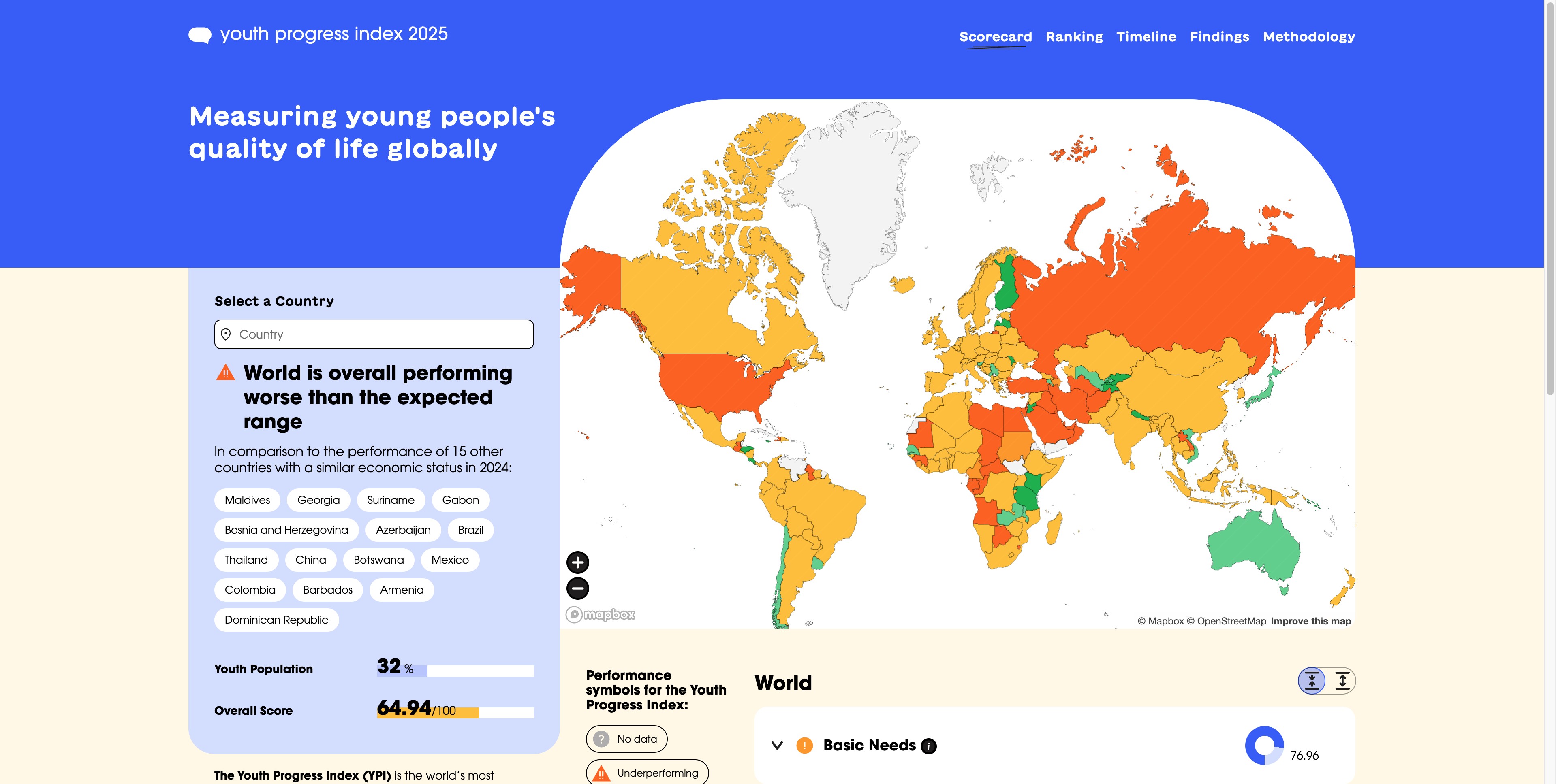
Youth Progress Index (YPI)
BrusselsThe Youth Progress Index (YPI) is the world’s most comprehensive measure of the quality of life and rights of young people.
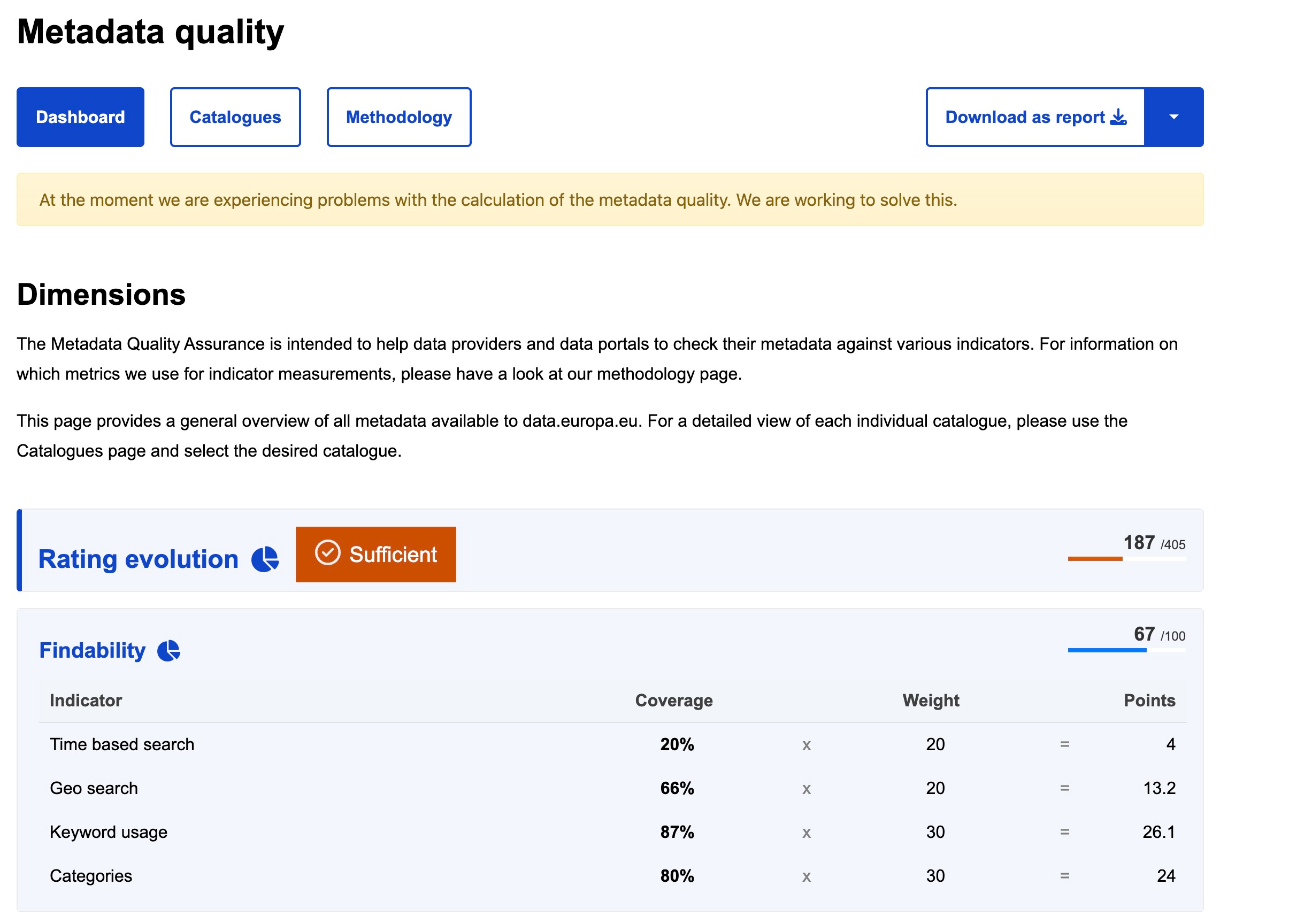
Metadata Quality Assurance
European Union (EU)The Metadata Quality Assurance is intended to help data providers and data portals to check their metadata against various indicators.

Varieties of Democracy (V-Dem)
Sweden (Sverige) 🇸🇪V-Dem provides a multidimensional and disaggregated dataset that reflects the complexity of the concept of democracy as a system of rule.
The V-Dem Dataset
Sweden (Sverige) 🇸🇪Includes the world's most comprehensive and detailed democracy ratings.
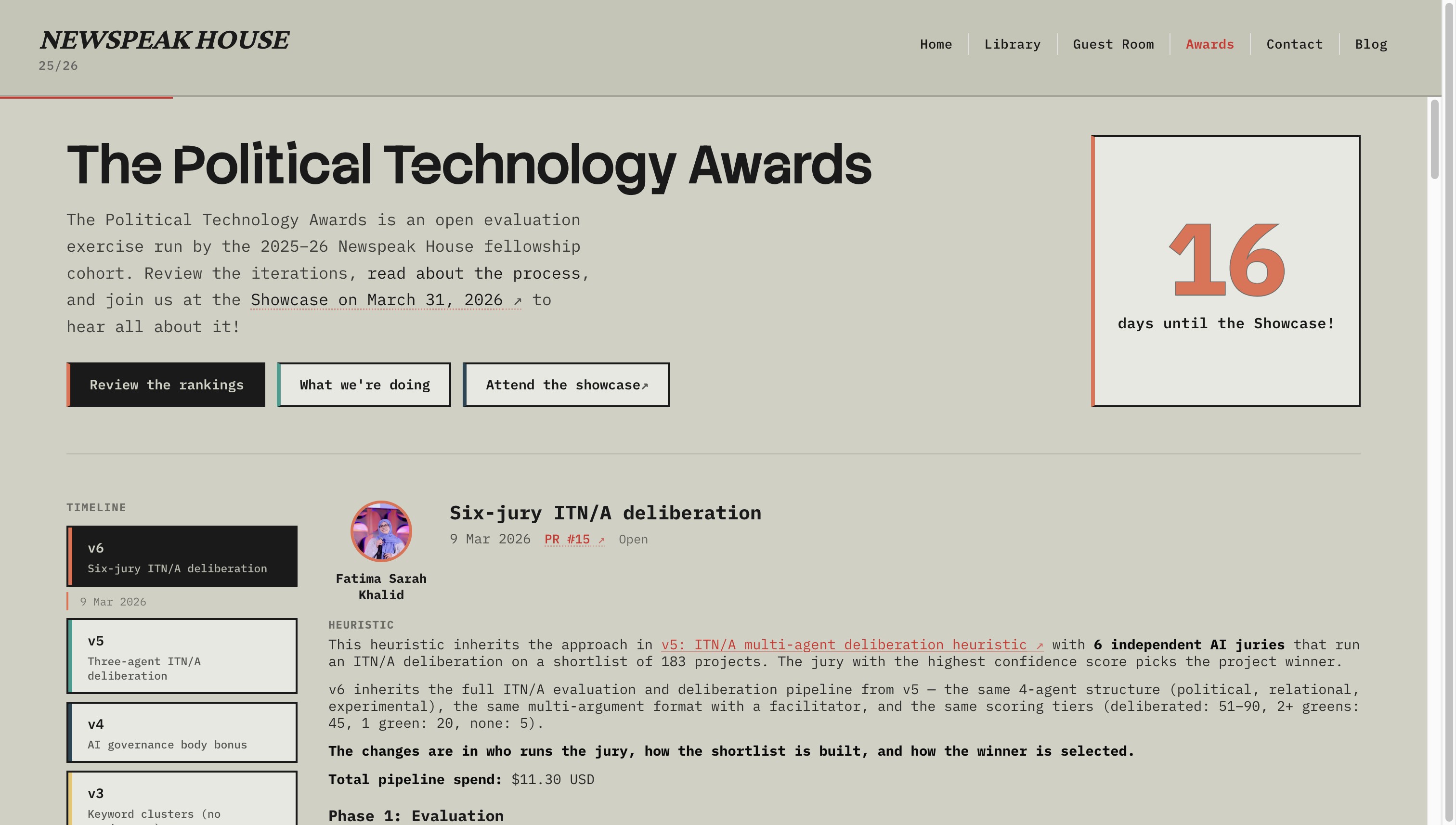
The Political Technology Awards
Newspeak House, Bethnal Green Road, London, UKWe're building a public, inspectable ranking of civic and political technology projects — the kind of tools that help citizens understand institutions, participate in democracy, and hold power to account.

SafeStreets
Chiang MaiFree walkability and pedestrian safety analysis for any street address globally, scoring streets using OpenStreetMap, satellite imagery, and open government data.

Govbase.com
Washington, DCGovbase uses AI to track federal policy, political news, and elected officials' social media, then scores how each policy personally impacts citizens.
Using global case studies from the Participedia database, the findings reveal that democratic innovations excel in various attributes but rarely deliver substantial redistributive impact.

Absurdity Index
United States of America 🇺🇸A non-partisan satirical commentary site that scores real federal legislation on a 1-10 Absurdity Index scale, with every factual claim linked to authoritative sources like congress.gov.
The tool uses survey questions to calculate a series of digital democracy scores, visualises the results, and provides tailored recommendations.
ADL AI Index
New York City (NYC / New York, NY)The ADL AI Index evaluates leading large language models (LLMs) on their ability to detect and counter antisemitic and extremist tropes and narratives.

In How to Launch a High-Impact Nonprofit, a team of experts who themselves have helped launch 18 evidence-based charities (and counting) break down what it really takes to build impactful organizations.

Ambitious Impact
LondonThe AIM ecosystem consists of multiple cost-covered programs, designed to fill crucial gaps in the broader philanthropic ecosystem

This book is for anyone who wants to understand how to be an impactful grantmaker.

What Have Unions Done For Us
133 Bethnal Green Road LondonRecent victories and wins by labour unions across various sectors
Durably reducing transphobia: A field experiment on door-to-door canvassing
Stanford Graduate School of Business, Knight Way, Stanford, CADurably reducing transphobia: A field experiment on door-to-door canvassing
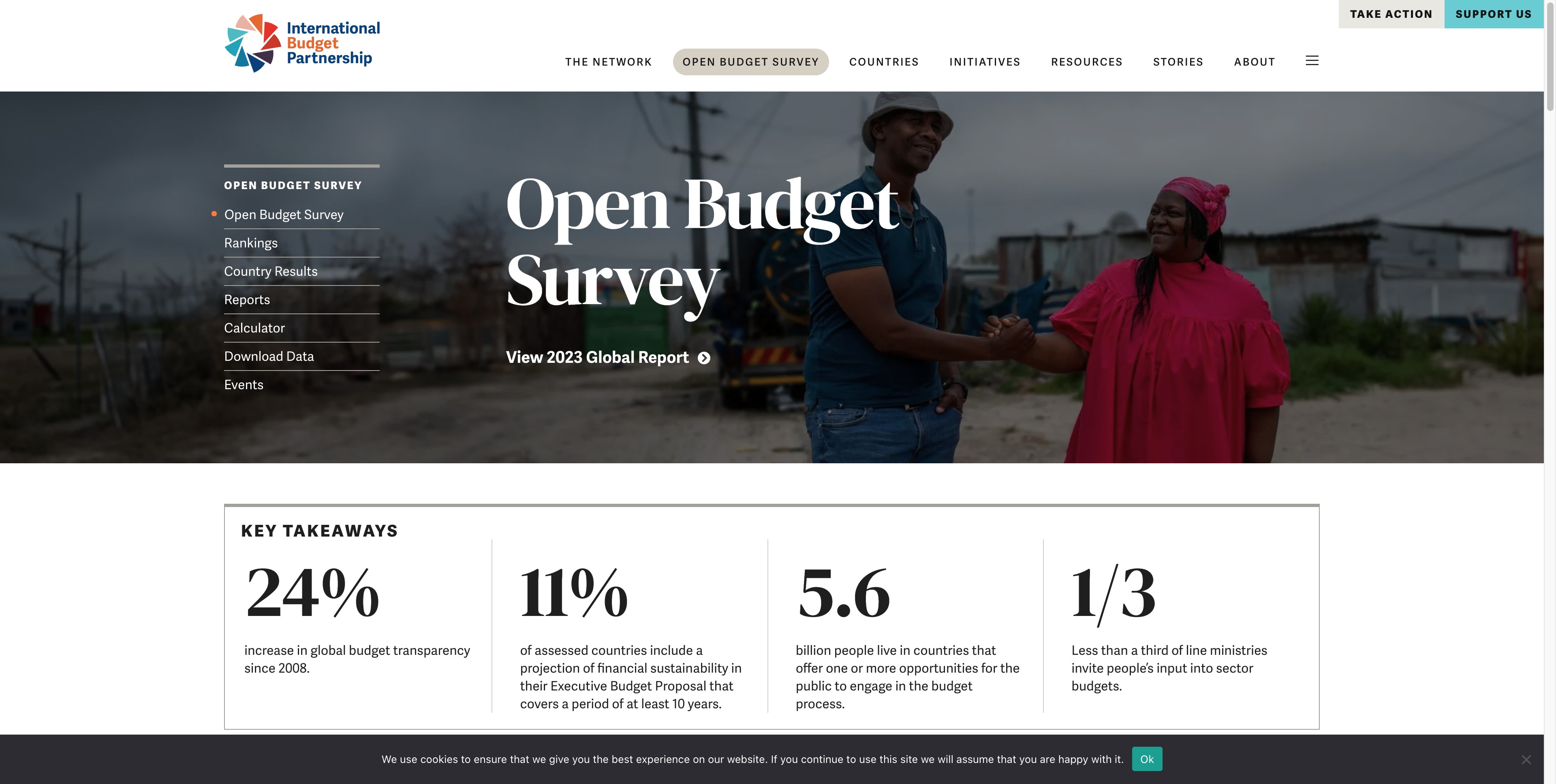
First launched in 2006, the Open Budget Survey is the world’s only independent, comparative, and fact-based research instrument to measure these essential aspects of governance and accountability: Participation, Oversight, and Transparency
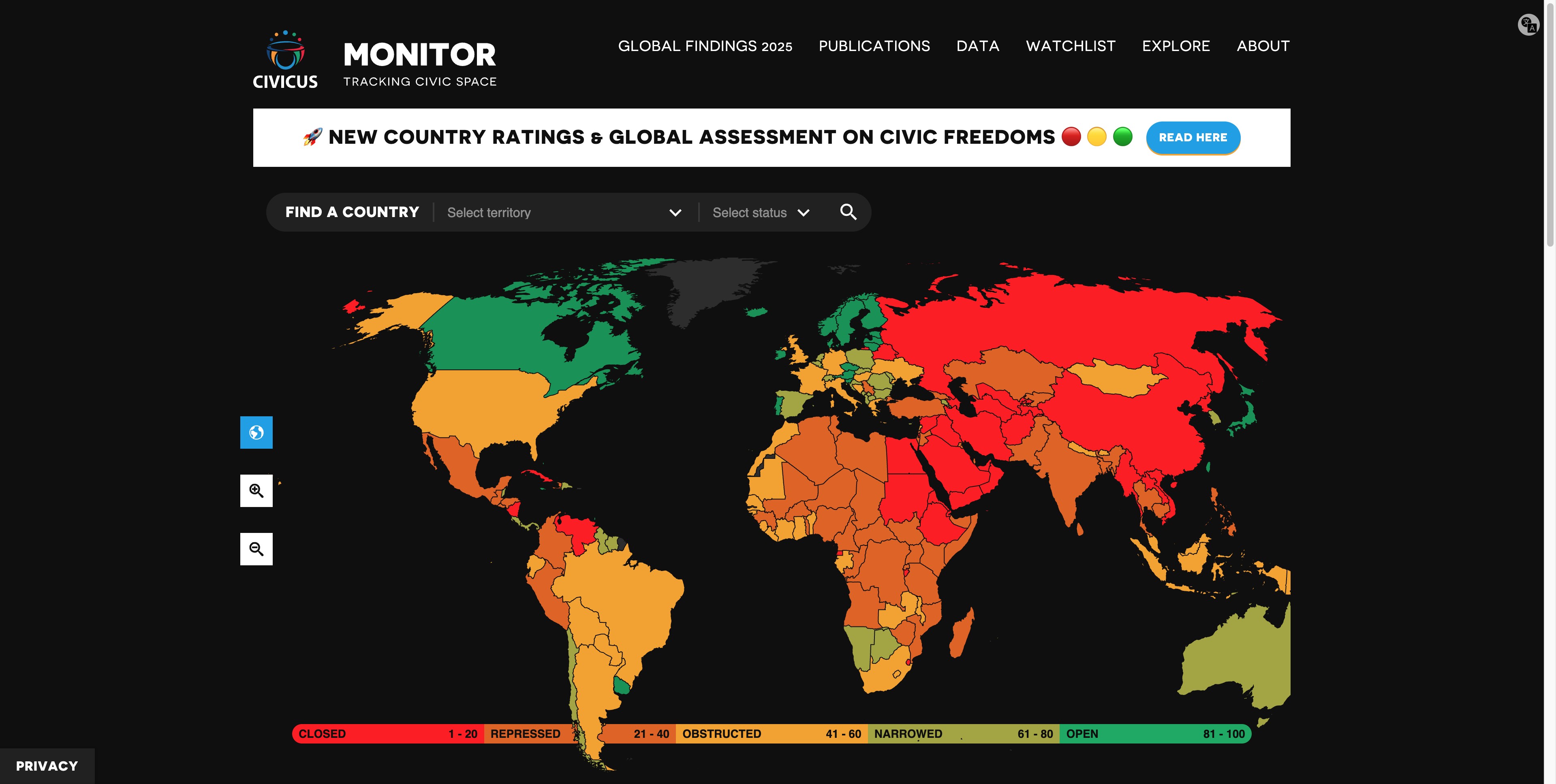
CIVICUS Monitor
JohannesburgOur interactive world map allows you to access live updates from civil society around the world, track threats to civil society and learn about the ways in which our right to participate is being realised or challenged.

This report assesses the impact of the foreign aid cuts on the global democracy ecosystem.

We are exploring, co-creating, and advancing a new frame for evaluative thinking in philanthropy.

We analyzed the case of the Colombian digital ID app (“Cédula Digital”) during the second half of 2024 and early 2025. Very little is known about its functionality, and public information about how it works is scarce.

This post is the culmination of a months-long effort to translate principles into a measurable signal and develop an automated evaluation setup to continually track and improve objectivity over time.

[A]n urgent call for action by all countries - developed and developing - in a global partnership
This paper argues that automated decision-making in UK public administration lacks adequate scrutiny, and proposes regulatory safeguards through mandatory pre-deployment impact assessments and algorithmic auditing to strengthen accountability in Parliament and the courts.
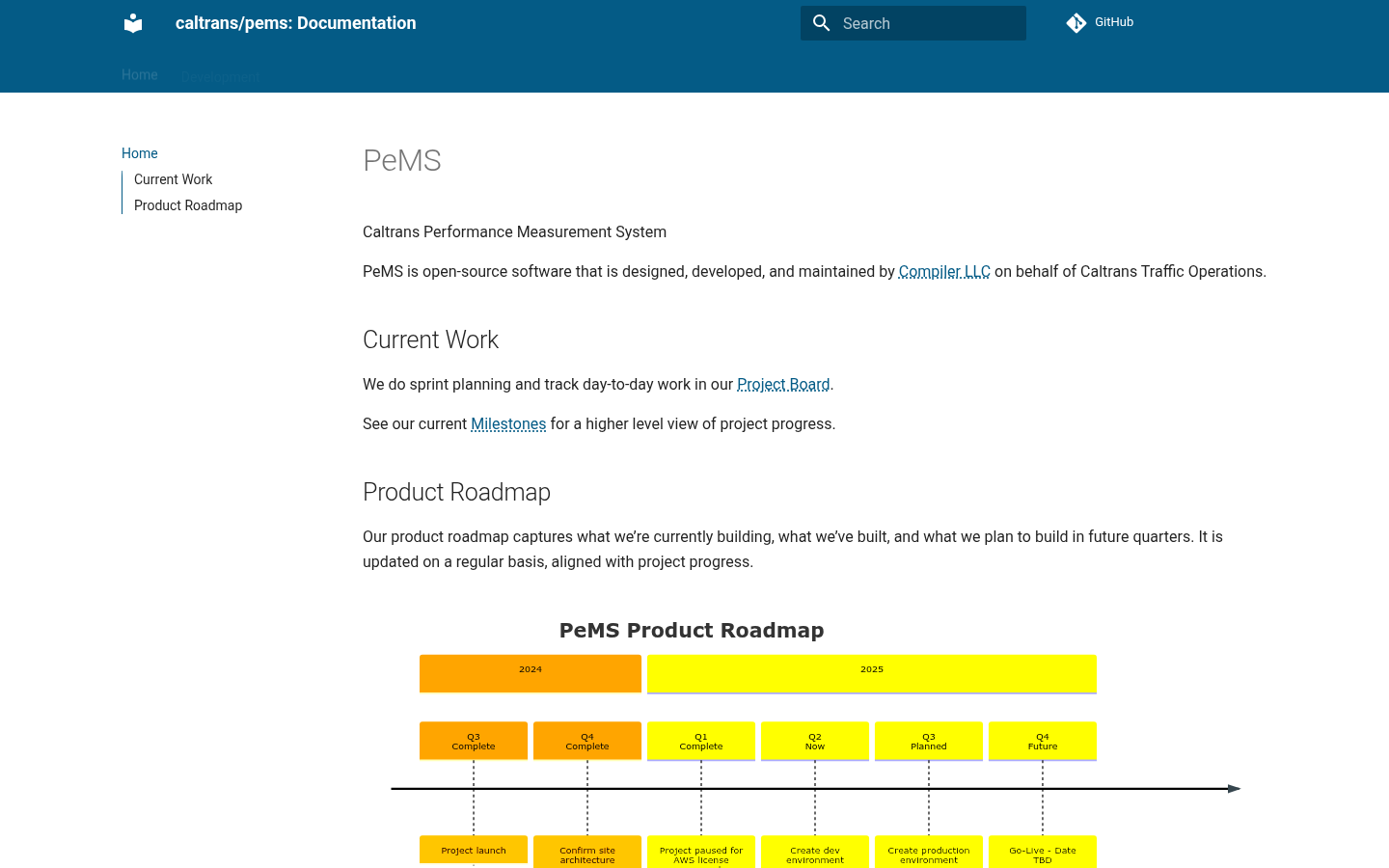
Caltrans Performance Measurement System (PeMS)
Los AngelesPeMS is open-source software that is designed, developed, and maintained by Compiler LLC on behalf of Caltrans Traffic Operations.
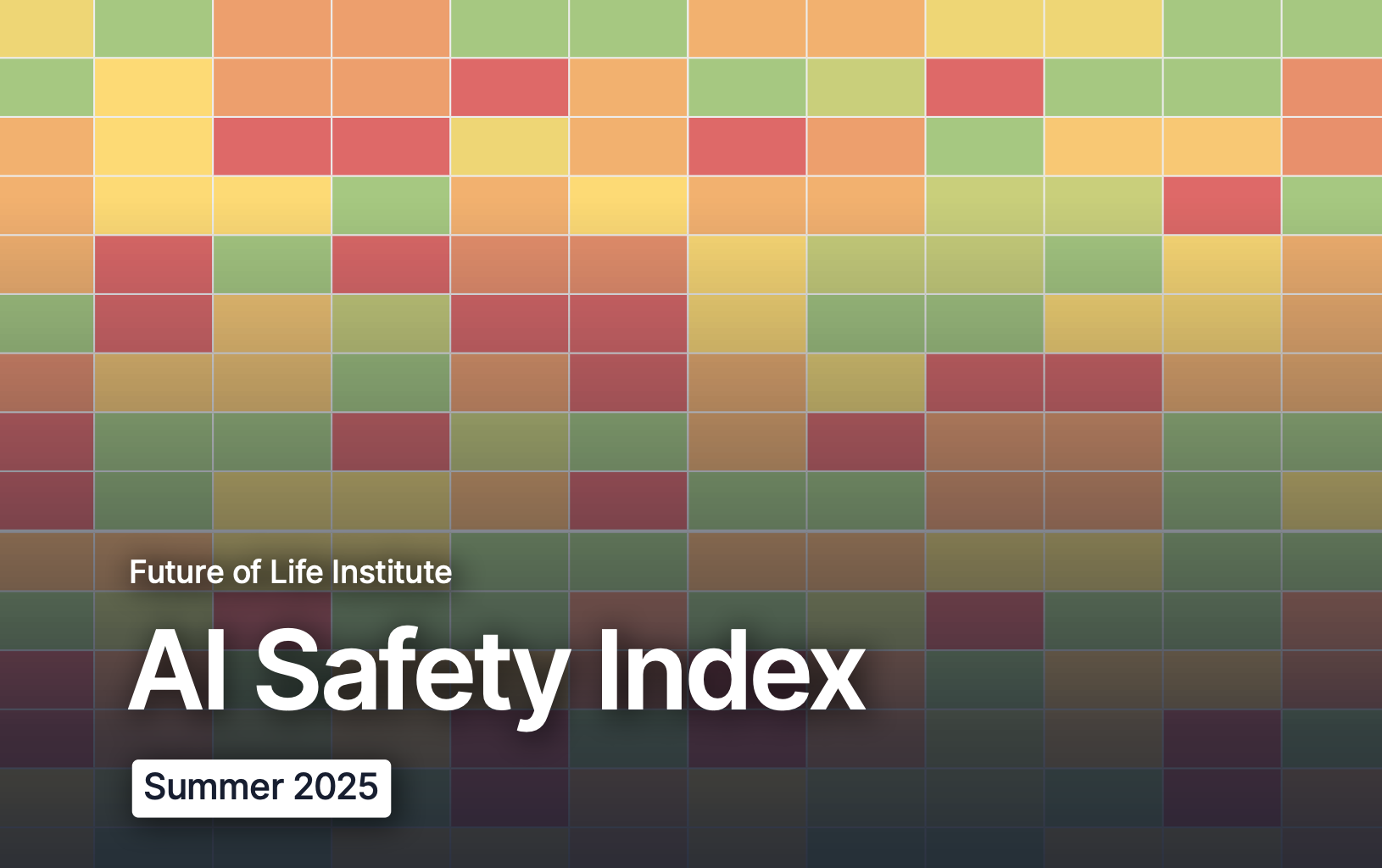
The Future of Life Institute's AI Safety Index provides an independent assessment of seven leading AI companies' efforts to manage both immediate harms and catastrophic risks from advanced AI systems.
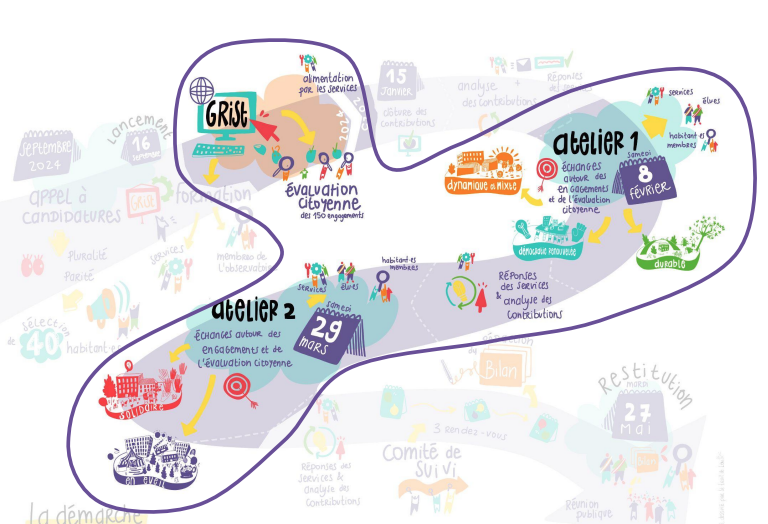
40 habitantes et habitants volontaires pour faire partie de l'Observatoire citoyen des engagements municipaux, ont évalué un par un, les 150 engagements de la mandature 2020-2026.

The United Nations E-Government Knowledgebase (UN-EgovKB) is a benchmarking tool that provides a comparative assessment of the e-government development of UN Member States.

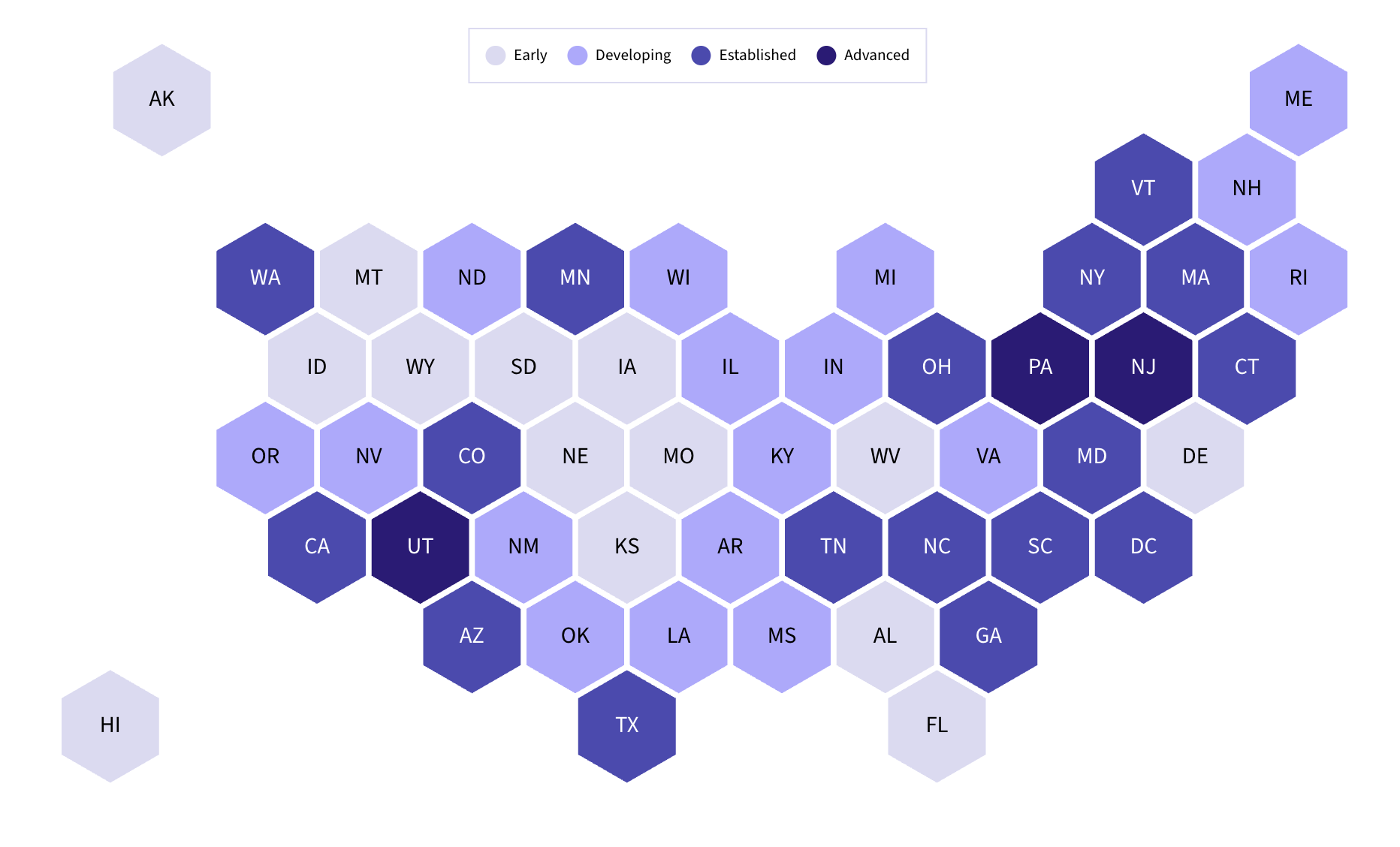
Government AI Landscape Assessment
San FranciscoMost states are navigating early or developing phases in these categories, building foundational capabilities while defining governance structures and strategic direction. But a few have emerged as national leaders—setting up dedicated AI offices, launching sophisticated pilot programs, training their staff, and building out infrastructure.

Supported by the UK Information Commissioner’s Office (ICO) Grants Programme, this guidance is designed to help employers and engineers to involve workers and their representatives in the design, development and deployment of algorithmic systems so that risks are anticipated and managed, 'good work' is promoted, the law is complied with, innovative approaches are unlocked and trust in technology is built.

ohsomeNow Stats
HeidelbergohsomeNow Stats is being developed and provided by HeiGIT (Heidelberg Institute for Geoinformation Technology) and offers up-to-date and global scale overview statistics on mapping activity in OpenStreetMap (OSM).

No Kings Day protests unofficial attendance crowdsourcing
United States of America 🇺🇸Google Sheet aggregating attendance estimates at hundreds of No Kings Day protests in the US and beyond in 2025

Global Youth Participation Index
BrusselsThe GYPI is the first global tool that tracks and compares youth political participation in over 130 countries, measuring indicators like electoral inclusion, civic engagement, youth representation in parliaments, and more.

This brief proposes adjustments for how we think about and approach advocacy monitoring, evaluation, and learning.

Data Umbrella's practical introduction to the field of program evaluation

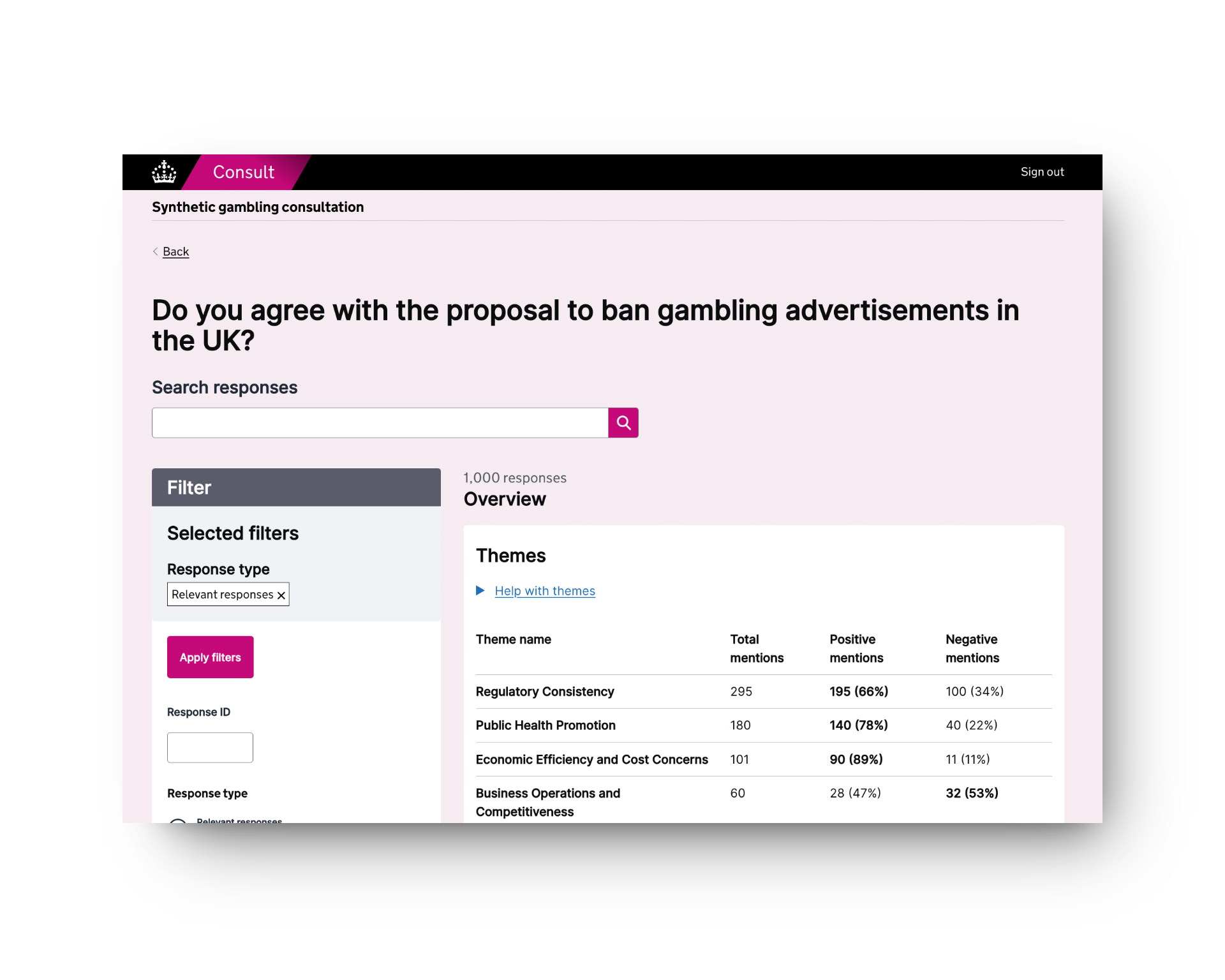
Consult Evaluation: Scottish Government’s Non-surgical cosmetic procedures consultation
10 Downing Street"Consult was generally good at identifying the themes in a given consultation response."
Deliberative Approaches to Inclusive Governance
Montreal, QC, CanadaFrom world-leading experts in deliberative democracy, civic technology, and AI governance we introduce a seven-part essay series exploring how deliberative democratic processes like citizen’s assemblies and civic tech can strengthen AI governance.

This resource highlights 19 key findings on the short- and long-term impacts of participatory budgeting on people, communities, and governments.
SAAFE DelibTech
United Kingdom of Great Britain and Northern Ireland 🇬🇧Human-centred principles for the design and implementation of deliberative technologies
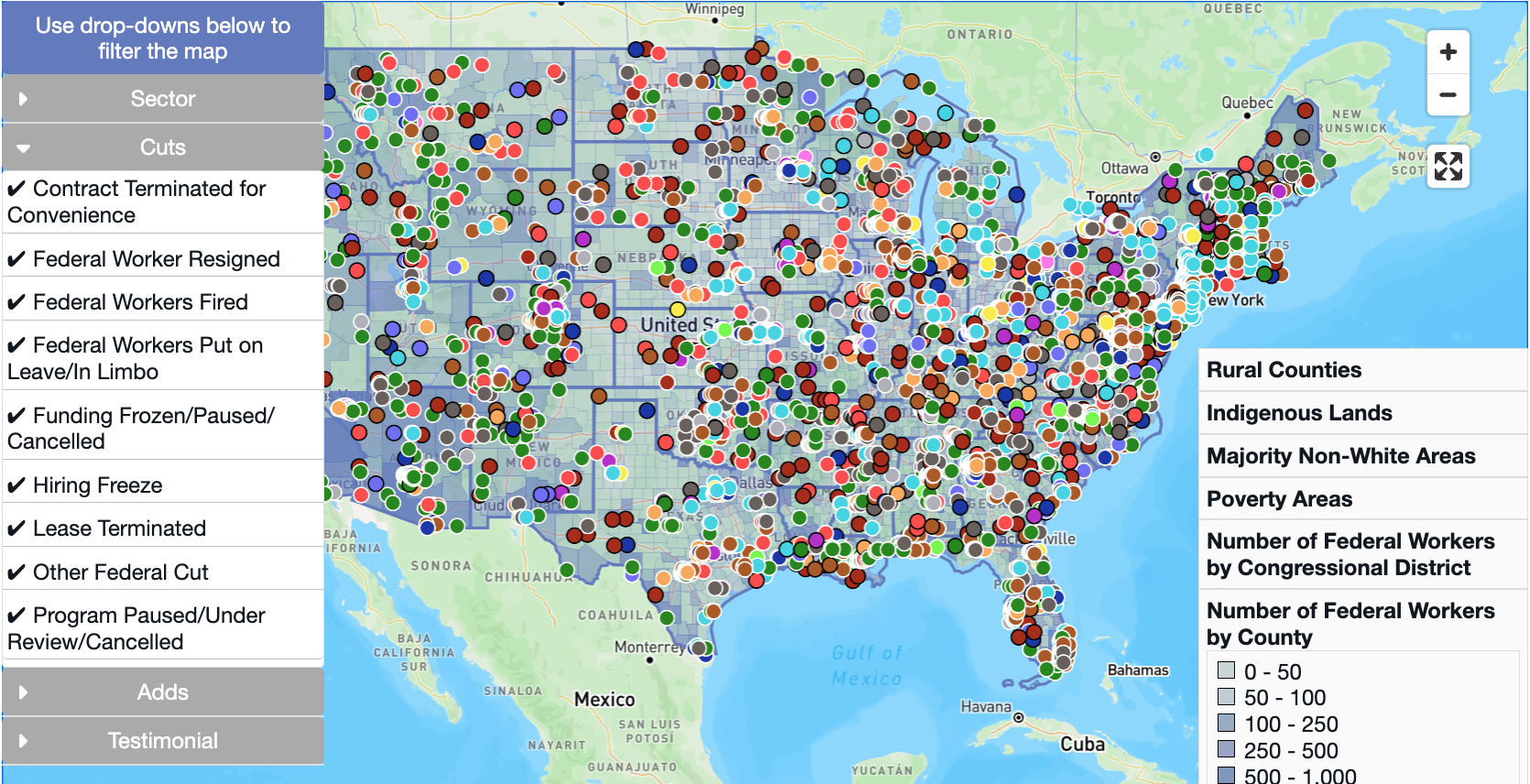
The Impact Map
United States of America 🇺🇸The Impact Map provides timely data—as it becomes available—on policy, funding, and workforce changes and their localized effect. This tool is currently in beta and will continue evolving, so you may find areas that need updating.

Lukim Gather
Williamsburg, VAHow do we ensure that community data from Papua New Guinea’s protected areas is reported and heard?
Get email updates
Helpful Links
Reach Out
A project of

With support from
National Endowment for Democracy
Founding Organization
Civic Hall
Technology partner

 Civic Tech Field Guide