Civic Tech Field Guide
Sharing knowledge and productively growing the fieldThe People > Learn about civic tech > Academia > Research and policy centers - (275)
Research and policy centers develop evidence- and ideology-based recommendations to address societal challenges, inform policy decisions, and promote effective governance.
Showing 275 Results

Canadian Anti-Monopoly Project (CAMP)
Canada 🇨🇦CAMP is a think tank dedicated to addressing the issue of monopoly in Canada.
We bring together the university’s world-class, interdisciplinary, socio-technical expertise in web science, data science and artificial intelligence to leverage the unique role of online technologies in tackling global challenges.

Metro Ideas Project
TennesseeWe are an independent, nonprofit research startup devoted to the analysis and design of public policies that help make midsize cities work better for people.
Social Science Works
PotsdamSocial Science Works is a social enterprise driven by pregnant societal problems.
Regional Action Lab (Re-ACT Lab)
Prishtina, KosovoThe institute was established with the aim of contributing to the advancement of good governance and evaluation of policy making at regional level (Western Balkans 6) through independent research analysis, public debates, multimedia advocacy and lobbying with different relevant stakeholders.

REAL ML
OregonREAL ML supports and advances interdisciplinary research that holds the use of algorithms and AI technologies to account—with a focus on the perspectives and experiences of marginalized communities

OpenForum Europe (OFE)
RPM Tribunal de l’Entreprise Francophone de Bruxelles Bd. Charlemagne 96, 1000 Brussels, BelgiumOpenForum Europe is a not-for-profit, Brussels-based independent think tank which explains the merits of openness in computing across Europe.
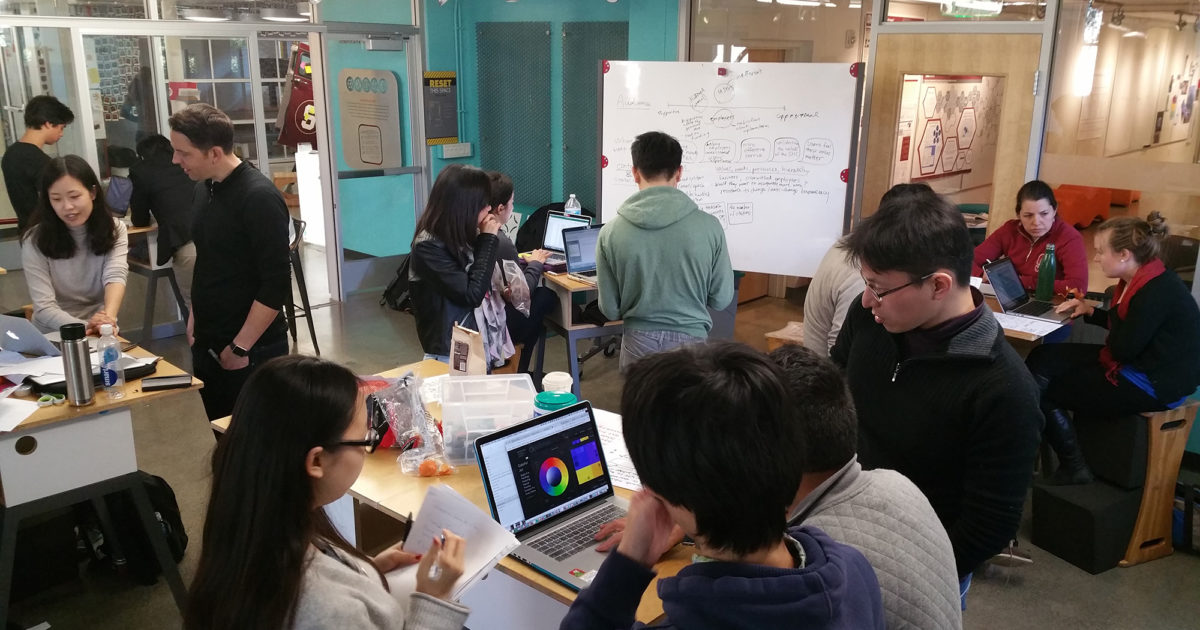
Legal Design Lab
Stanford, CAThe Legal Design Lab team researches, designs, and develops new interventions to ensure access to justice for all.

Social Media Lab
TorontoThe Social Media Lab is an interdisciplinary research laboratory at Toronto Metropolitan University that studies how social media is changing the way people communicate, disseminate information, conduct business, and form communities.
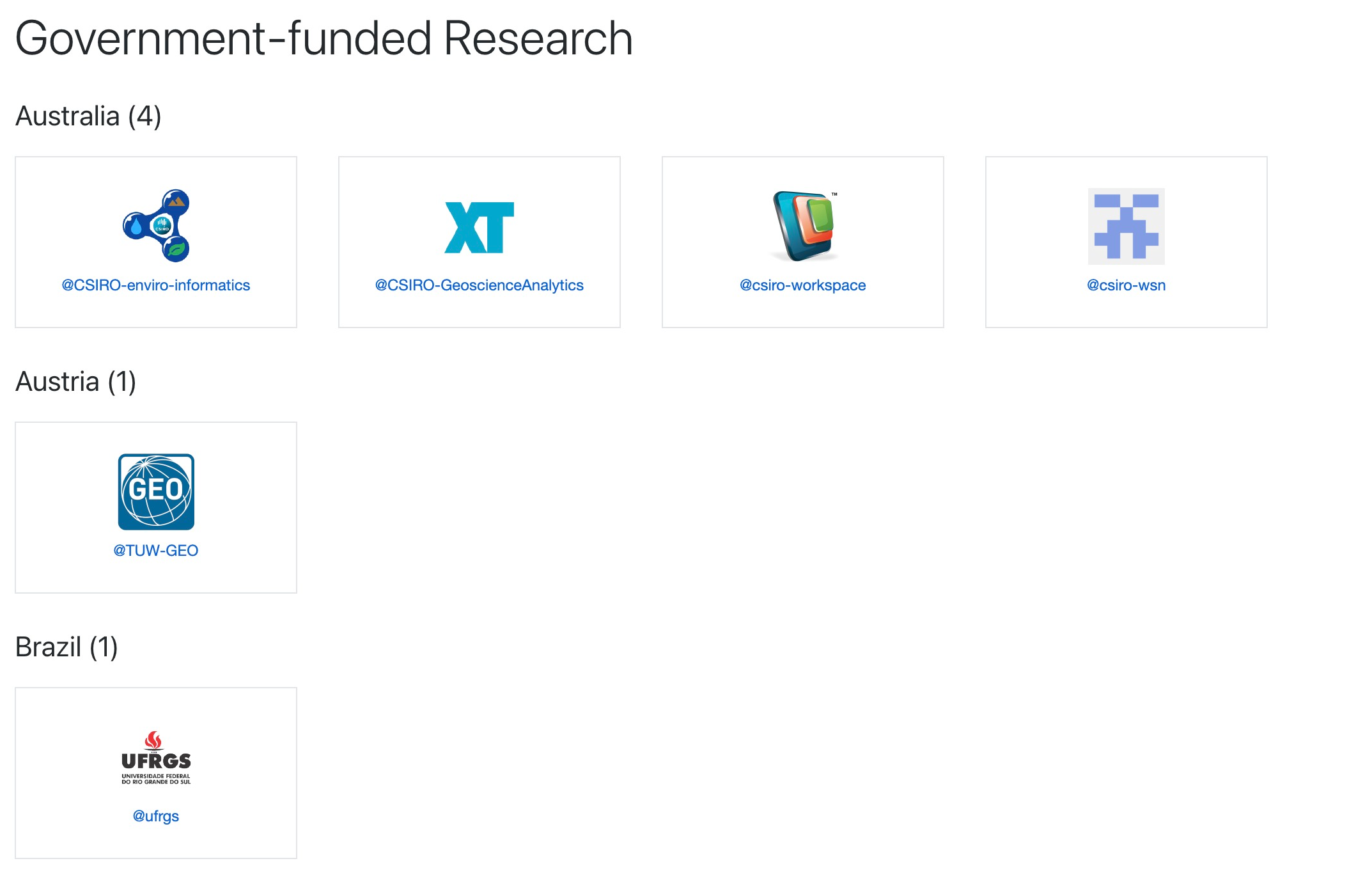
Government-funded Research units on Github
Redmond, WAA catalog of state research programs' Github accounts
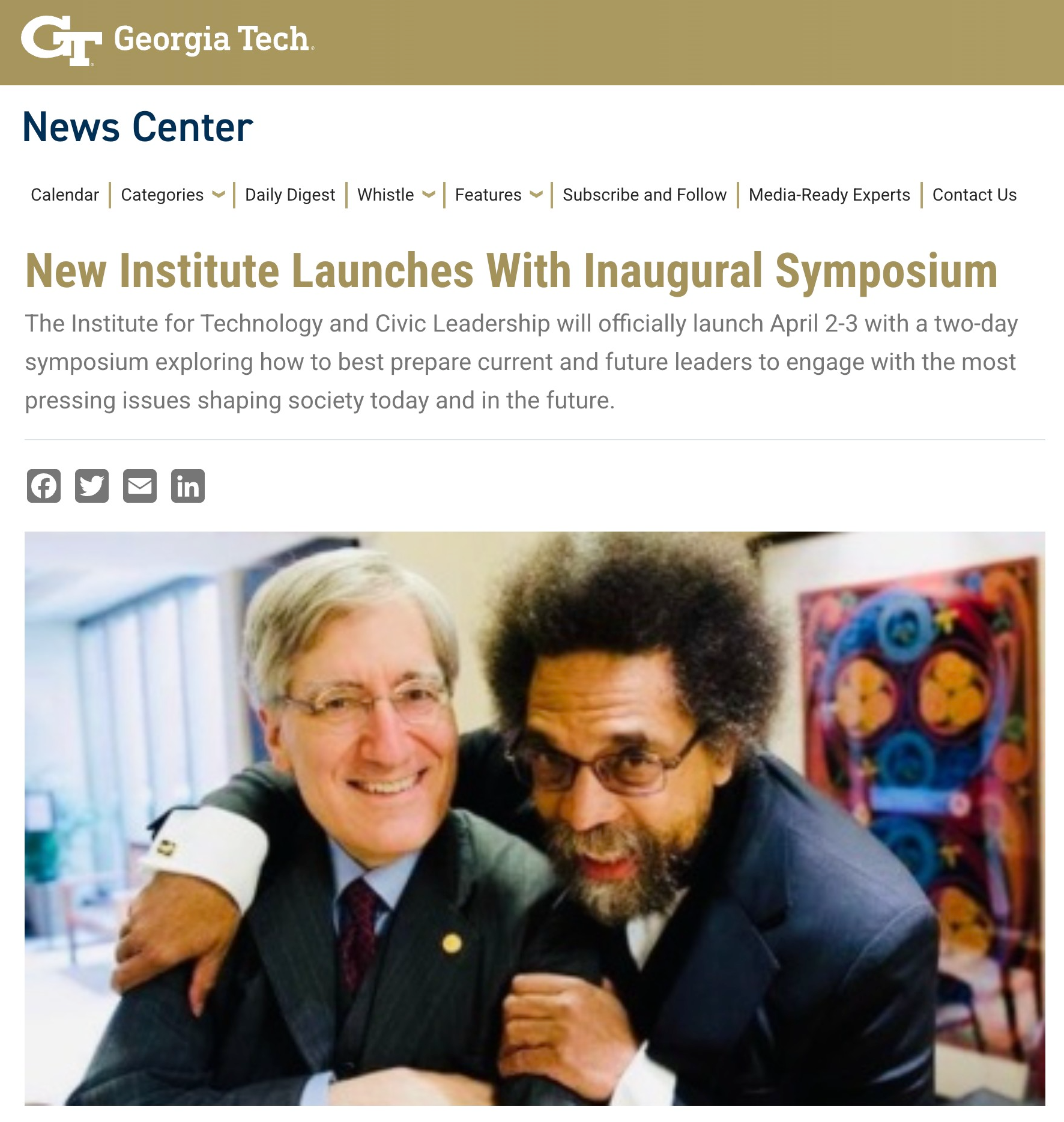
Institute for Technology and Civic Leadership
Atlanta, GAThe Institute for Technology and Civic Leadership reflects Georgia Tech’s commitment to educating leaders who create new possibilities at the intersection of technology and human flourishing and exploring ways for Georgia Tech scholarship and research to inform pressing societal issues and opportunities.

IIID conducts high-impact, responsive research that keeps pace with rapidly evolving technology while addressing its profound implications for users and society.

Busara
NairobiThe Busara Lab is now the largest behavioral science lab in the world with a panel of more than 133,000 participants across sites in India, Ethiopia, Kenya, Nigeria, and Uganda.
Center for Media Innovation & Social Impact (MISI)
Boston UniversityAdvancing research and practice at the intersection of media, technology, and democracy.
DCU Institute for Future Media, Democracy and Society (FuJo)
Dublin, IrelandDCU Institute for Future Media, Democracy and Society has been pioneering media & journalism research, innovation and best-practice since 2015.

Research institutes of Sweden (RISE)
StockholmRISE is Sweden's independent government research institute, with a mission to promote sustainable growth by strengthening business competitiveness public sector innovation.

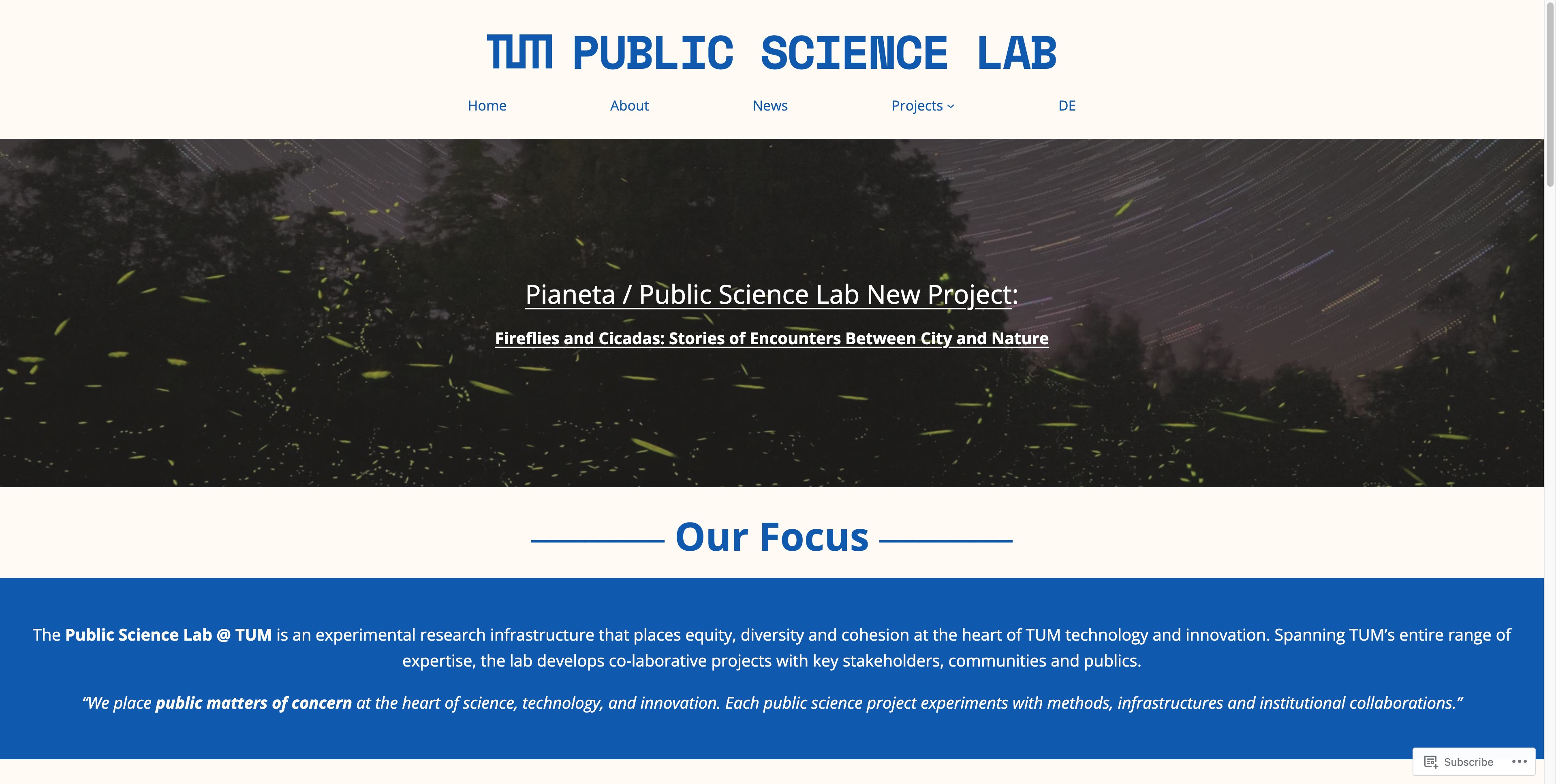
Public Science Lab
MunichThe lab brings together researchers from various disciplines to study how science and technology shape society and how societal perspectives influence research and innovation.
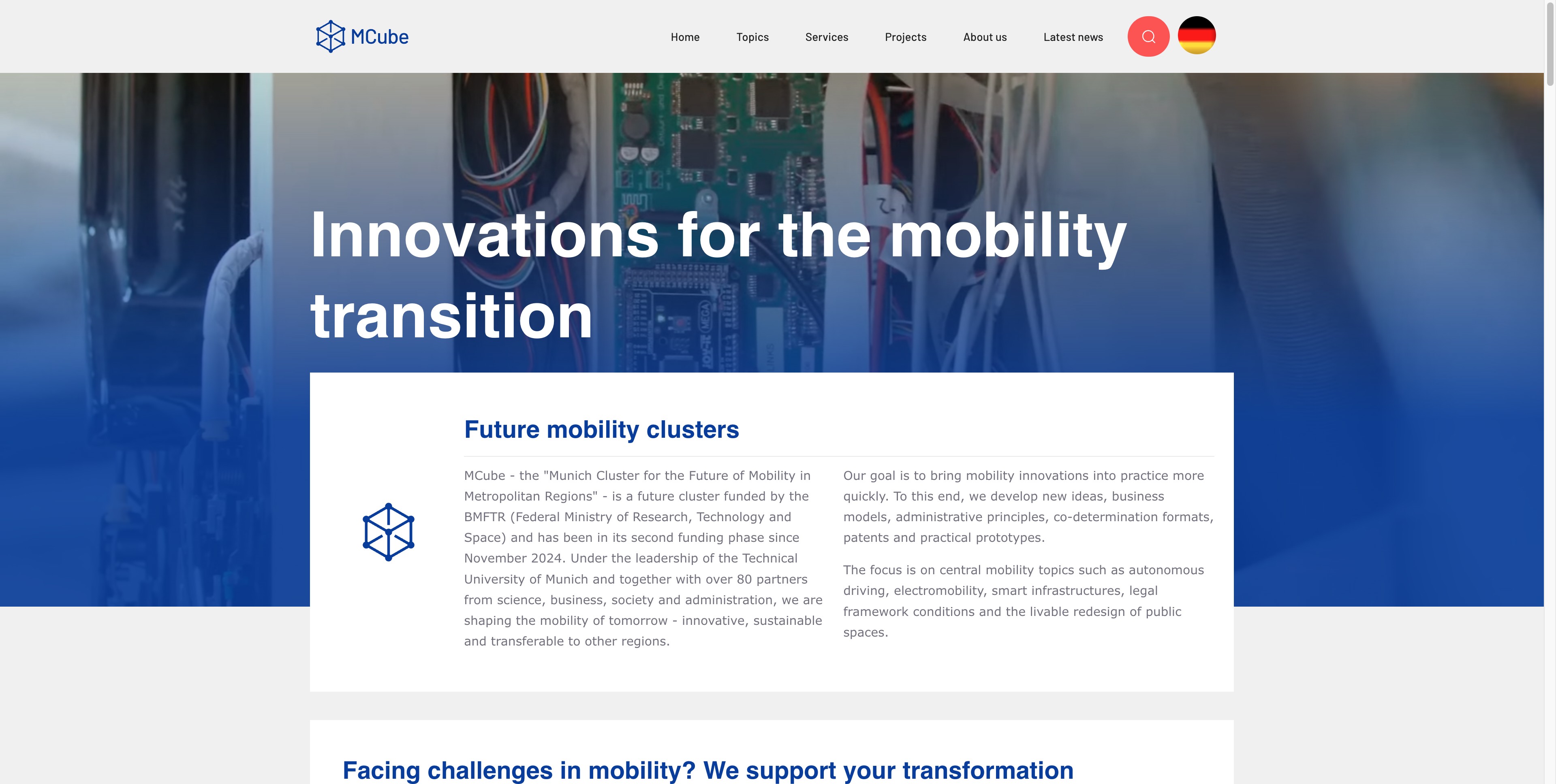
Innovations for the mobility transition
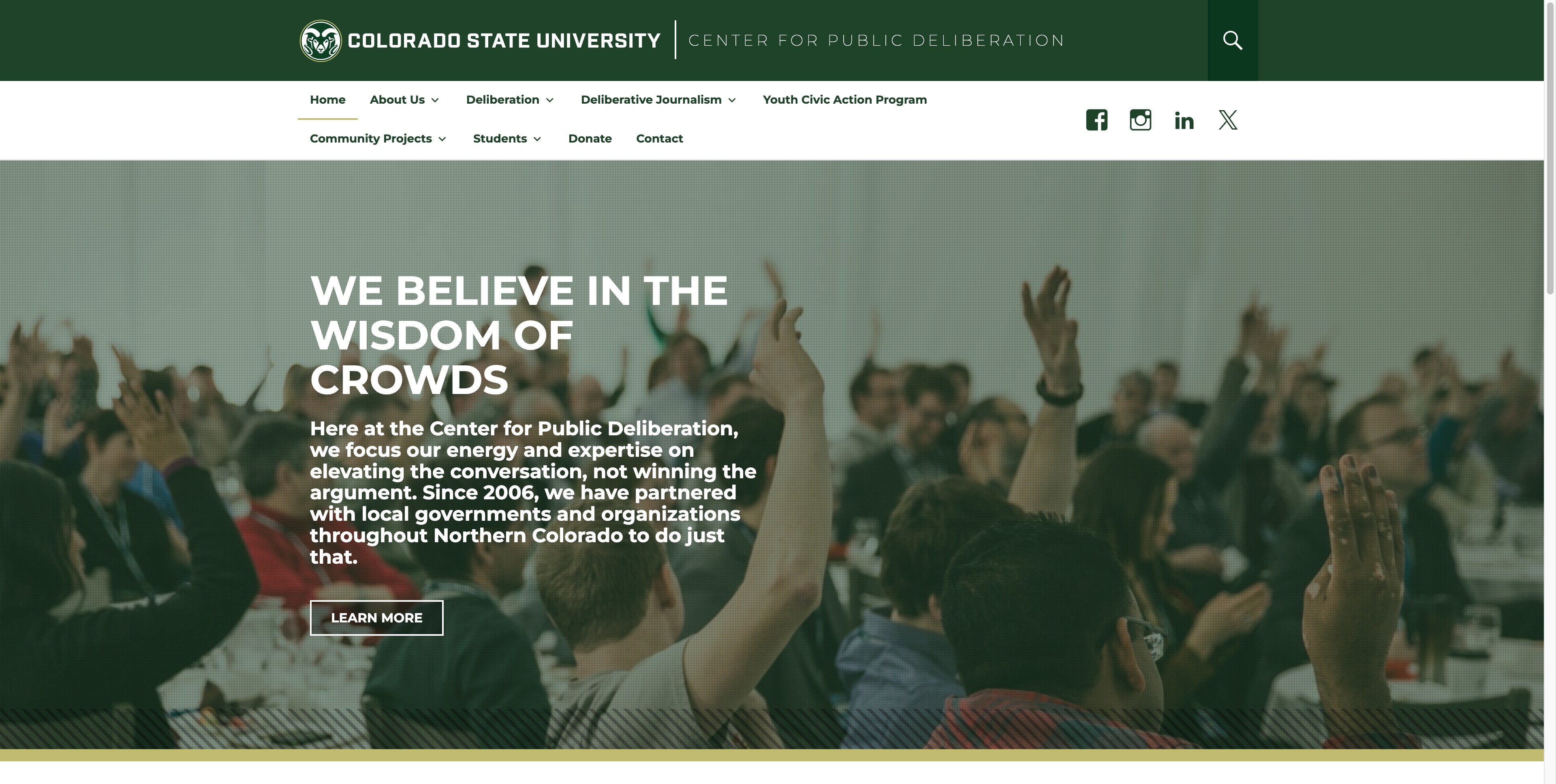
Center for Public Deliberation
ColoradoHere at the Center for Public Deliberation, we focus our energy and expertise on elevating the conversation, not winning the argument.
Digital Democracy Centre at SDU
Denmark (Danmark) 🇩🇰The Digital Democracy Centre (DDC) will develop a new socio-technical, interdisciplinary approach combining theory and methods from social sciences and computer science, to study the impact of digital technology and AI on media, politics, and democracy.
Danish Institute for Advanced Study (DIAS)
Denmark (Danmark) 🇩🇰An interdisciplinary elite research center dedicated to world-class, curiosity-driven research. DIAS operates independently across the traditional faculty structure at SDU.

The Society for Technological Advancement (SoTA)
United Kingdom of Great Britain and Northern Ireland 🇬🇧The Society for Technological Advancement (SoTA) is a new venture designed to cultivate optimism about technoscientific development and build capacity for it to happen, forming a cross-disciplinary community around this mission.
Penn Institute for Urban Research
PhiladelphiaThe Penn Institute for Urban Research informs public and private decision-making and policy to advance sustainable urban development.
Shorenstein Center on Media, Politics, and Public Policy
Harvard Kennedy School, John F. Kennedy Street, Cambridge, MAAdvancing knowledge on media, audiences, and influence

PIT @ CUNY
CUNY Graduate CenterThe goal of PIT @ CUNY is clear: To inspire the next generation of young technologists – including Engineers, Designers, Computer and Data Scientists, and others with an interest in leveraging technological knowledge – to pursue work in service of the public good.

Digital Technology for Democracy (DTD) Lab
Charlottesville, VAThe Digital Technology for Democracy Lab is a collaboration across the University of Virginia that explores how rapidly evolving digital technologies can challenge, but might also fortify, democratic institutions and practices.

The Centre for Intellectual Property and Information Technology Law (CIPIT) is an evidence-based research and training Centre based at Strathmore University, Nairobi, Kenya.

Rutgers Democracy Lab
New Brunswick, NJUniversity initiative fostering research, education, and innovation in democracy and civic engagement.

We are the world's first AI alignment alignment center, working to subsume the countless other AI centers, institutes, labs, initiatives and forums into one final AI center singularity.

Local Policy Lab
San Diego, CAThe Local Policy Lab accelerates the adoption of effective solutions to pressing problems at the local governmental level.

Multiracial Democracy Project
The George Washington University, I Street Northwest, Washington, DCThrough research, analysis, convenings, and public education, the Project produces solutions that facilitate our nation’s transition to a well-functioning democracy that truly represents our increasingly diverse population.
World Bank Global Program on GovTech & Public Sector Innovation
The World Bank Group, H Street Northwest, Washington D.C., DCThe objective of this strategic framework is to mainstream citizen engagement in World Bank Group (WBG)-supported policies, programs, projects, and advisory services and analytics to improve their development results and within the scope of these operations, contribute to building sustainable national systems for citizen engagement with governments and the private sector.
Public supercomputing and AI research center and home of MareNostrum
Stavros Niarchos Foundation SNF Agora Institute (SNF Agora)
Johns Hopkins UniversityStrengthening global democracy through powerful civic engagement and informed, inclusive dialogue
Stanford Cyber Policy Center
Stanford University, Serra Mall, Stanford, CAStanford University's research center for the interdisciplinary study of issues at the nexus of technology, governance and public policy
Civic Interaction Design Research Group
AmsterdamCivic Interaction Design is an interdisciplinary research group at the Amsterdam University of Applied Sciences.
BU Platform Governance Lab
Boston UniversityCombating misinformation in digital marketplaces through gamified behavioral experiments. We design two-sided platforms to study and prevent misleading claims that harm consumers and democracy.
New Local
LondonWe are home to over 50 councils and partners, united in a drive to create sustainable, inclusive and community-powered public services.

Peacetech and Polarization Lab at University of Notre Dame
Notre Dame, IndianaThe PeaceTech and Polarization (PTAP) Lab, part of the Kroc Institute for International Peace Studies within the Keough School of Global Affairs, offers students the opportunity to study and research the design and functions of technology and its intersection with peacebuilding and democracy.

Atlantic Council
Washington, DCDriven by our mission of “shaping the global future together,” the Atlantic Council is a nonpartisan organization that galvanizes US leadership and engagement in the world, in partnership with allies and partners, to shape solutions to global challenges.

Pusat penelitian berfokus inovasi AI dan teknologi untuk demokrasi.

The Centre for Communication Governance at National Law University Delhi (CCG) is a research centre within NLU Delhi and is meant to ensure that the Indian legal education establishment engages more meaningfully with communication law and policy, and offers academic contribution to communication policy making.

Connecting governments, technology, and academia with GovTech intelligence to enhance public service delivery.

Reboot Democracy
BostonWe use artificial intelligence to help institutions and communities solve problems together.
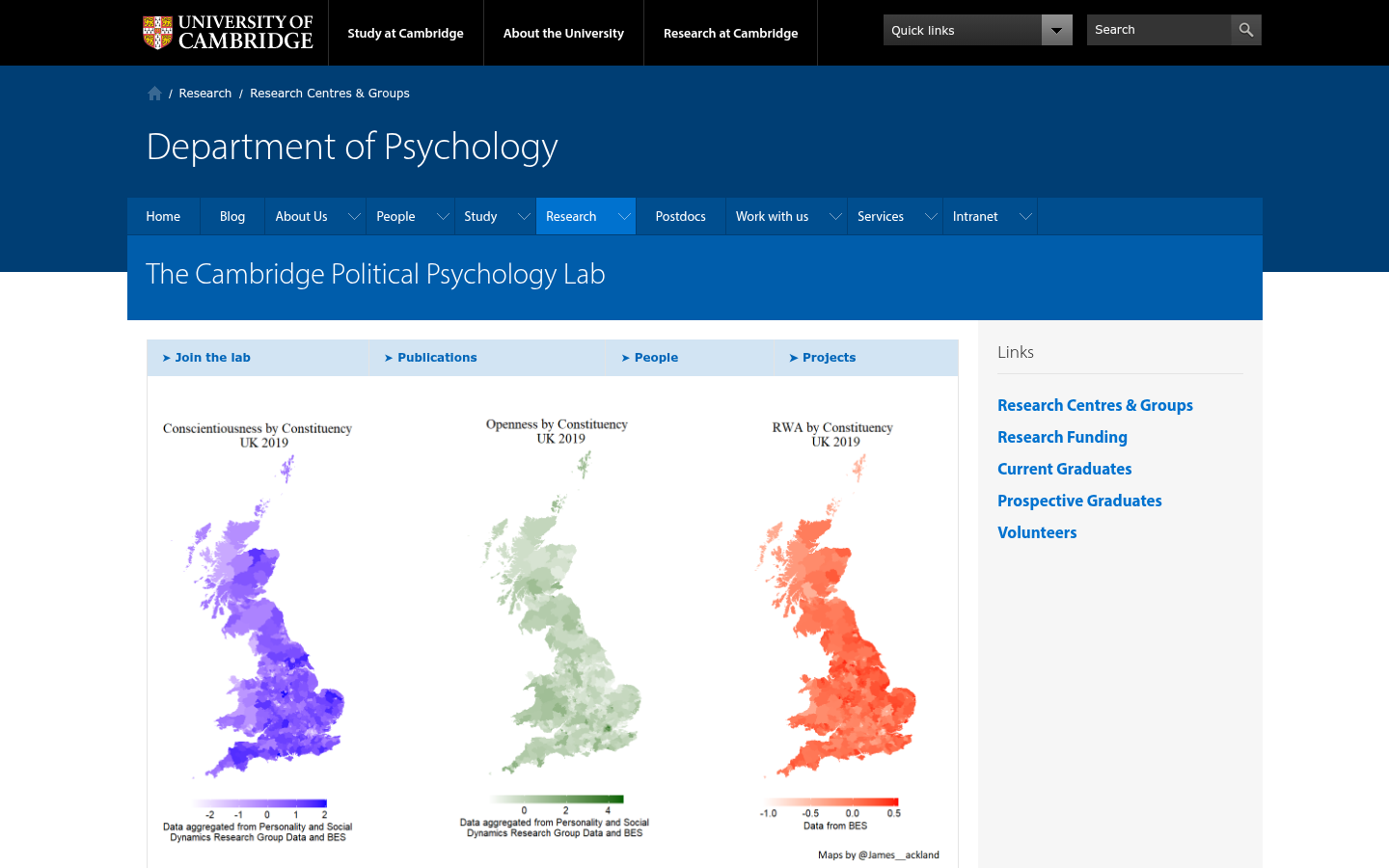
The Cambridge Political Psychology Lab
Cambridge, UKThe recently established Cambridge Political Psychology Lab attempts to apply insights from psychology to understand real world political decision making.

The Workers' Algorithm Observatory (WAO)
Princeton University, Princeton, New JerseyWorker-led audits in the platform economy

Applied Social Media Lab (ASML)
Berkman Center For Internet, Everett Street, Cambridge, MAThe Applied Social Media Lab at Harvard’s Berkman Klein Center brings together technologists and practitioners to reimagine, rebuild, and reboot social media to serve the public good and establish a long-lasting community of practice.
Get email updates
Helpful Links
Reach Out
A project of

With support from
National Endowment for Democracy
Founding Organization
Civic Hall
Technology partner

 Civic Tech Field Guide