Civic Tech Field Guide
Sharing knowledge and productively growing the fieldThe People > Learn about civic tech > Academia - (201)
Academic programs, relevant research centers, journals, and peer-reviewed articles.
Showing 201 Results
Researchers developed a value-based method for prompting LLMs that uses culturally grounded survey-derived value profiles instead of demographic proxies, significantly improving the models’ ability to predict and reproduce diverse population opinions across countries, especially in underrepresented cultures.
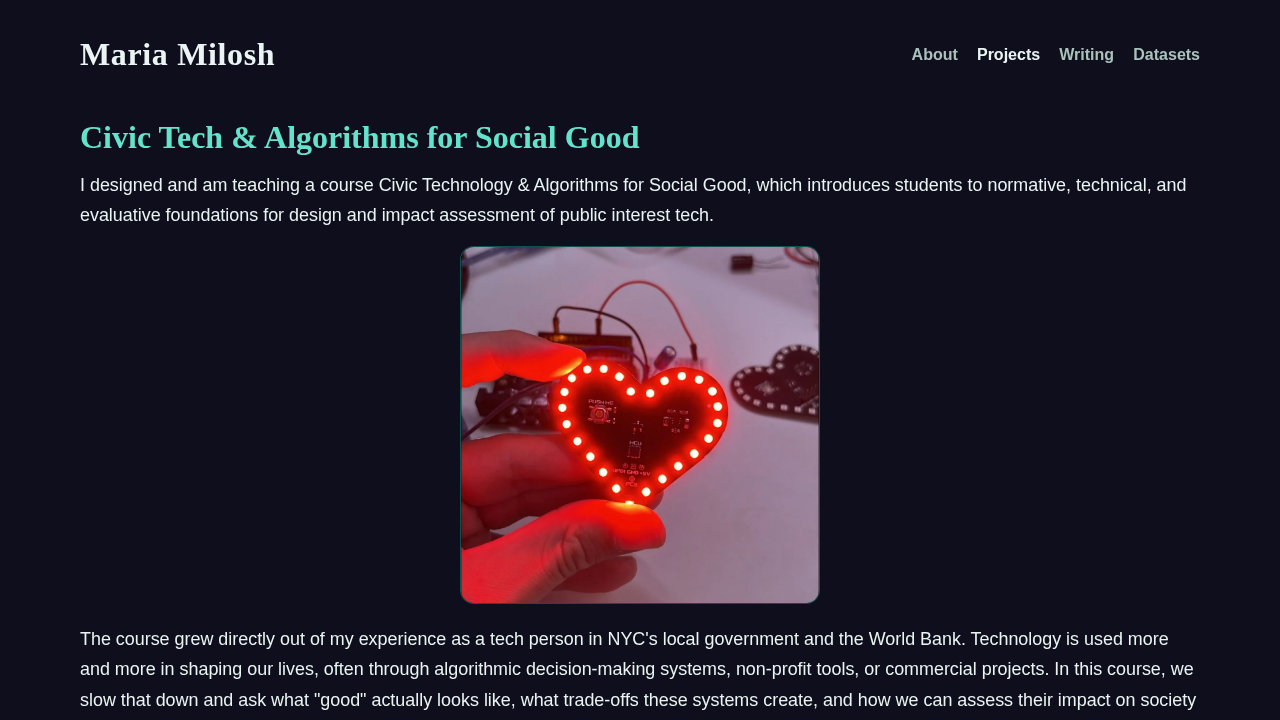
Civic Technology & Algorithms for Social Good
New York City (NYC / New York, NY)Course designed and taught by Maria Milosh at Bard College and Kronika in January - May 2026.
We bring together the university’s world-class, interdisciplinary, socio-technical expertise in web science, data science and artificial intelligence to leverage the unique role of online technologies in tackling global challenges.
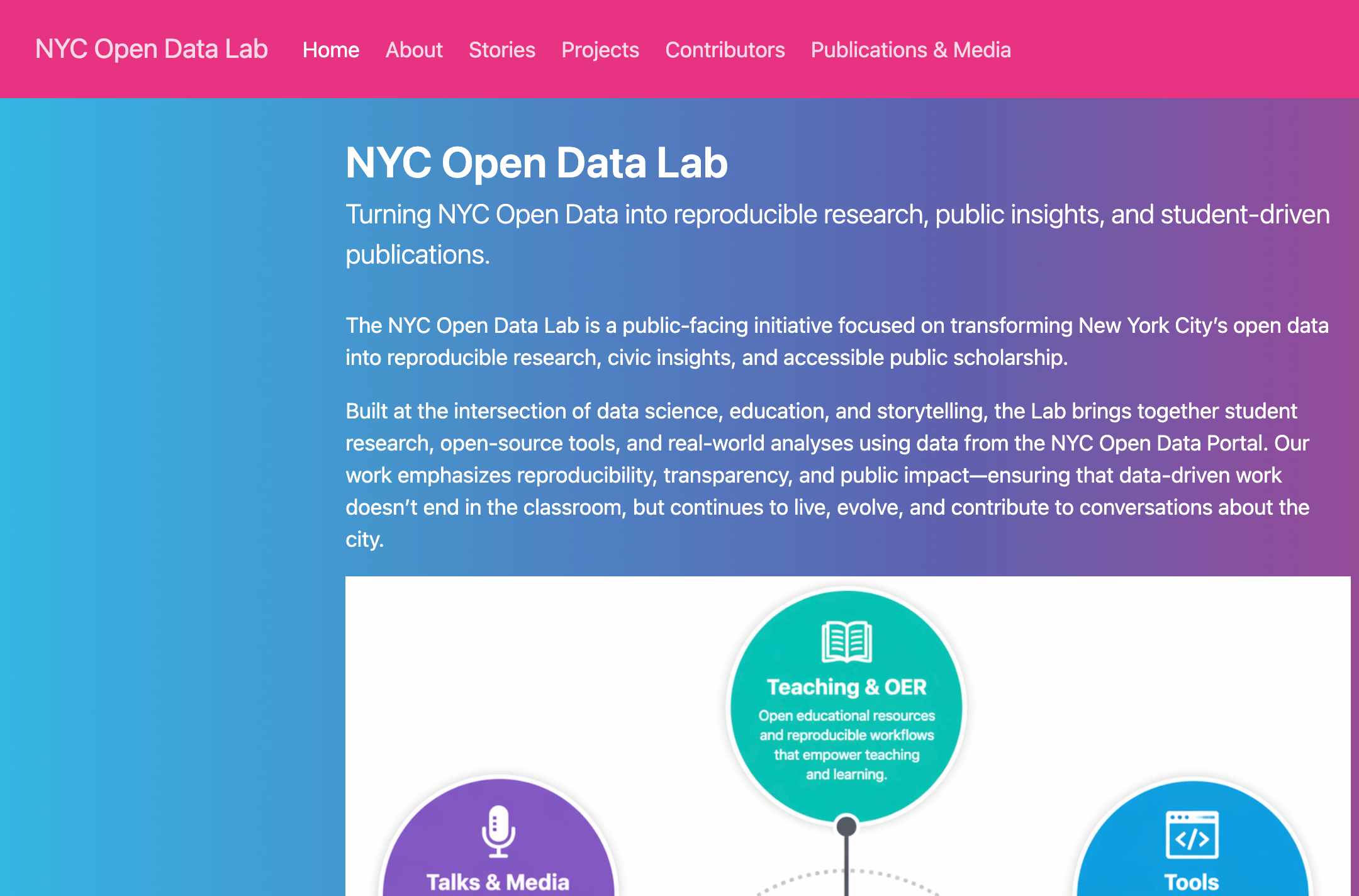
NYC Open Data Lab
BrooklynThe NYC Open Data Lab is a public-facing initiative that equips students to access, analyze, and publish civic data through reproducible workflows and open-source tools.

Fondation INRIA
48 Rue Barrault, 75013 Paris, FranceNous rapprochons le monde académique, celui de l'entreprise et la société civile pour soutenir des projets de recherche et d'innovation qui améliorent la vie des gens et le fonctionnement de notre société grâce au numérique.

The European Digital DemocracY network (EDDY) aims to bring together academics and practitioners actively working on or with digital democracy, to foster collaboration and knowledge exchange.

Legal Help Commons
Stanford, CAShared infrastructure for the access to justice sector — so legal aid organizations, courts, and technology partners can build better AI together, instead of reinventing the wheel alone.
Legal Design Lab
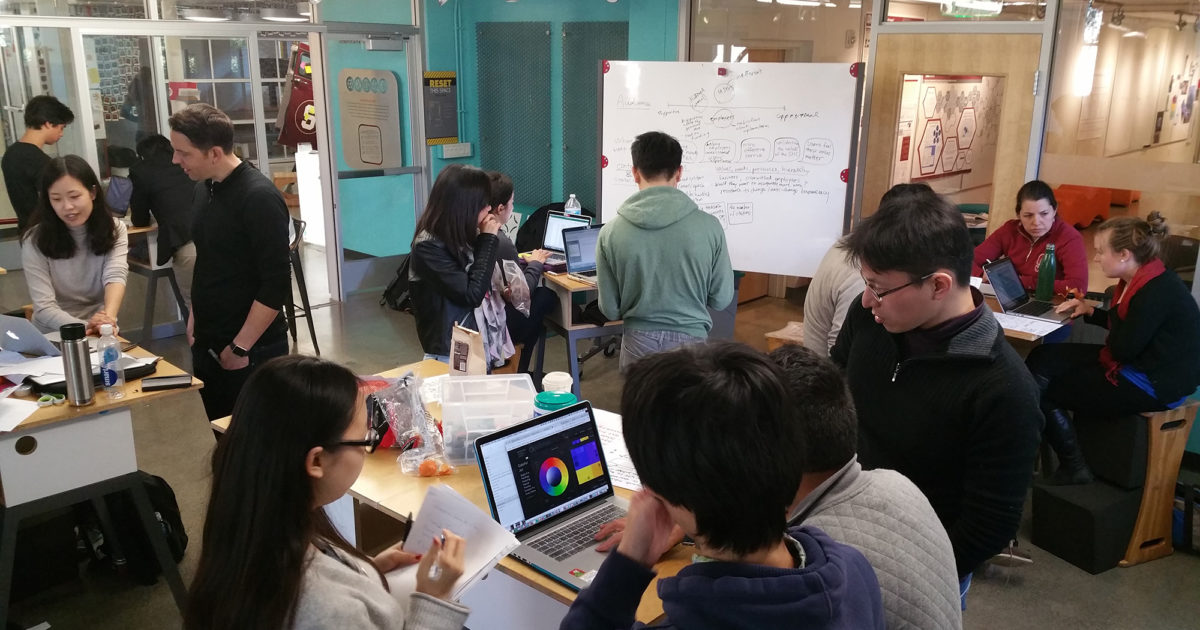
Stanford, CAThe Legal Design Lab team researches, designs, and develops new interventions to ensure access to justice for all.

Social Media Lab
TorontoThe Social Media Lab is an interdisciplinary research laboratory at Toronto Metropolitan University that studies how social media is changing the way people communicate, disseminate information, conduct business, and form communities.

Institute for Technology and Civic Leadership
Atlanta, GAThe Institute for Technology and Civic Leadership reflects Georgia Tech’s commitment to educating leaders who create new possibilities at the intersection of technology and human flourishing and exploring ways for Georgia Tech scholarship and research to inform pressing societal issues and opportunities.

IIID conducts high-impact, responsive research that keeps pace with rapidly evolving technology while addressing its profound implications for users and society.

A circumvention proxy built leveraging the unique benefits of a serverless platform
Center for Media Innovation & Social Impact (MISI)
Boston UniversityAdvancing research and practice at the intersection of media, technology, and democracy.
School of Collective Intelligence (SCI)
Morocco (Al Maghrib) 🇲🇦UM6P School of Collective Intelligence – SCI trains future changemakers to solve complex challenges through interdisciplinary methods, data-driven insights, and collective problem-solving.

DCU Institute for Future Media, Democracy and Society (FuJo)
Dublin, IrelandDCU Institute for Future Media, Democracy and Society has been pioneering media & journalism research, innovation and best-practice since 2015.
HKS Misinformation Review
Harvard Kennedy School, John F. Kennedy Street, Cambridge, MAWe publish high-quality, interdisciplinary research that examines misinformation from different perspectives—from its prevalence and impact to the effectiveness of possible interventions—employing a fast-review process designed to publish articles within one to three months of entering peer review.
MEPA
BrasíliaMais eficiência, menos custos: descubra o contrato de energia ideal para a sua instituição
Disinformation Summer Institute (DSI)
Washington stateThe summer institute is intended primarily for advanced PhD candidates, advanced law and medical students, post-docs, assistant professors and early career researchers seeking to better understand and address disinformation, but more senior scholars and practitioners who have recently moved into this domain are also encouraged to apply.
Public Science Lab
MunichThe lab brings together researchers from various disciplines to study how science and technology shape society and how societal perspectives influence research and innovation.
Innovations for the mobility transition
Danish Institute for Advanced Study (DIAS)
Denmark (Danmark) 🇩🇰An interdisciplinary elite research center dedicated to world-class, curiosity-driven research. DIAS operates independently across the traditional faculty structure at SDU.
Center for Public Deliberation
ColoradoHere at the Center for Public Deliberation, we focus our energy and expertise on elevating the conversation, not winning the argument.
Digital Democracy Centre at SDU
Denmark (Danmark) 🇩🇰The Digital Democracy Centre (DDC) will develop a new socio-technical, interdisciplinary approach combining theory and methods from social sciences and computer science, to study the impact of digital technology and AI on media, politics, and democracy.
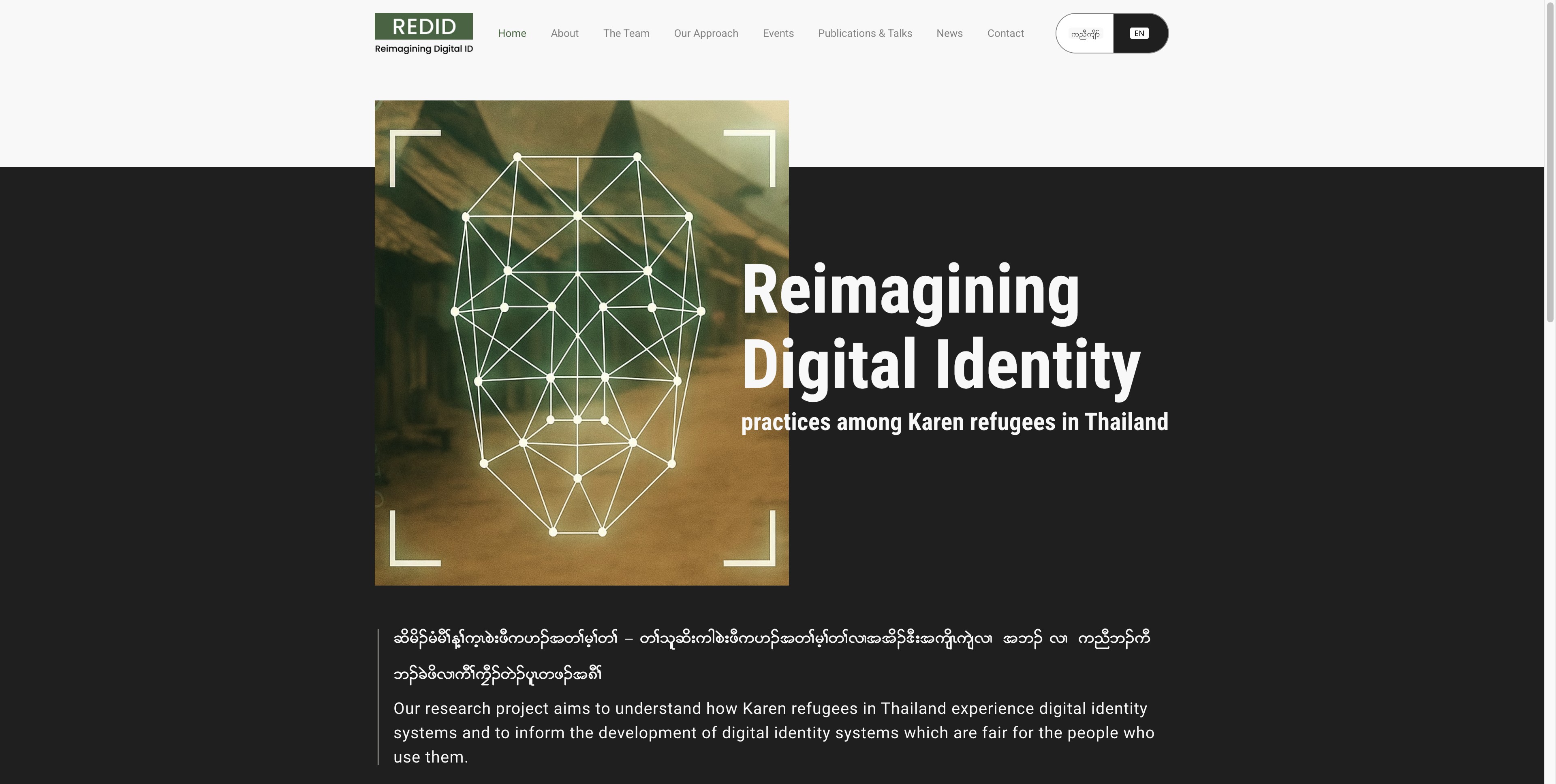
Reimagining Digital ID (REDID)
Thailand (Prathet Thai) 🇹🇭Our research project aims to understand how Karen refugees in Thailand experience digital identity systems and to inform the development of digital identity systems which are fair for the people who use them.

Policy Innovation Lab (PIL) at Heinz College
Carnegie Mellon UniversityThe Policy Innovation Lab (PIL) is an intensive, applied policy course at Heinz College that prepares students to become public interest technologists who are creative, ethical, inclusive, and responsive.
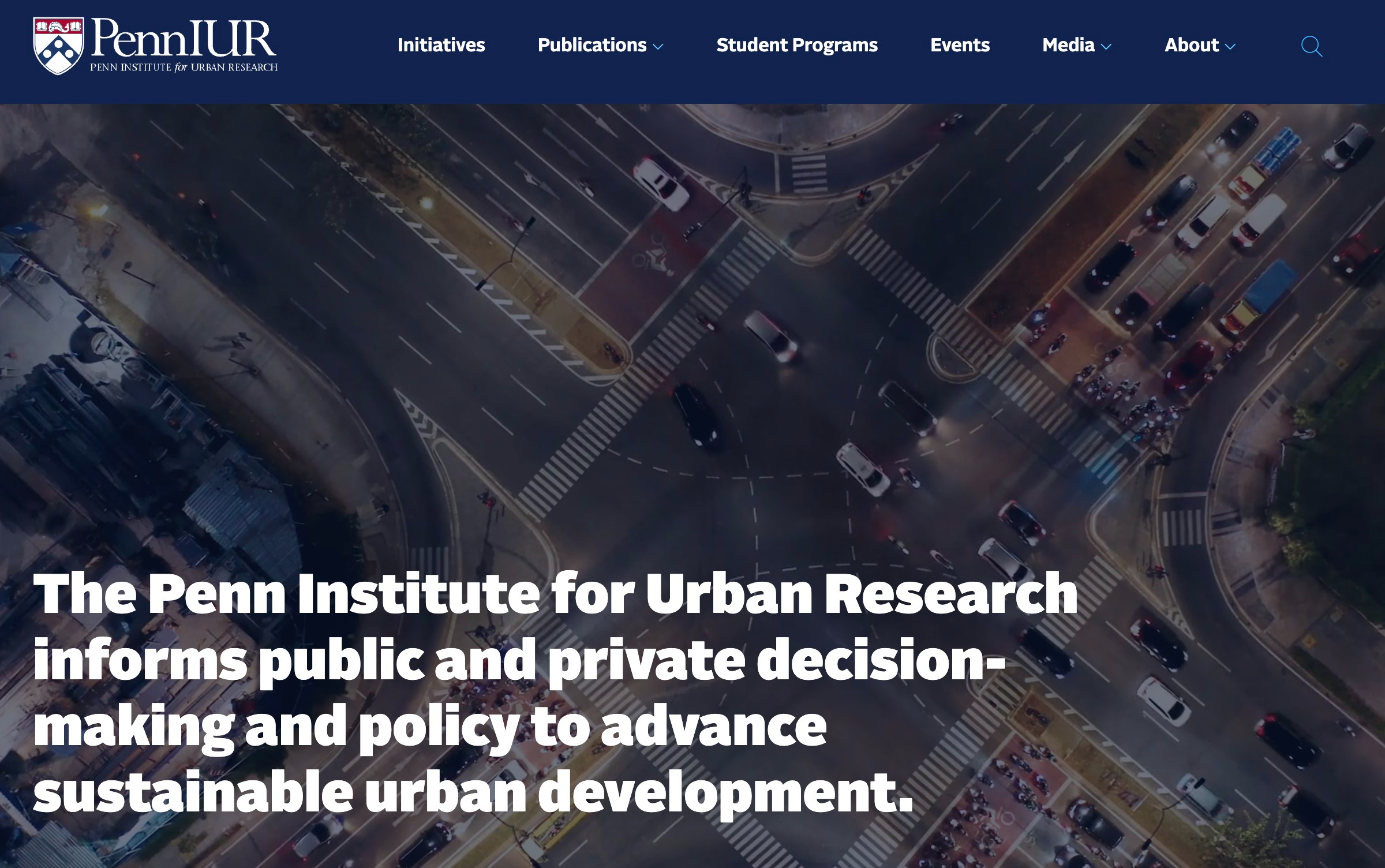
Penn Institute for Urban Research
PhiladelphiaThe Penn Institute for Urban Research informs public and private decision-making and policy to advance sustainable urban development.
Shorenstein Center on Media, Politics, and Public Policy
Harvard Kennedy School, John F. Kennedy Street, Cambridge, MAAdvancing knowledge on media, audiences, and influence

PIT @ CUNY
CUNY Graduate CenterThe goal of PIT @ CUNY is clear: To inspire the next generation of young technologists – including Engineers, Designers, Computer and Data Scientists, and others with an interest in leveraging technological knowledge – to pursue work in service of the public good.

Digital Technology for Democracy (DTD) Lab
Charlottesville, VAThe Digital Technology for Democracy Lab is a collaboration across the University of Virginia that explores how rapidly evolving digital technologies can challenge, but might also fortify, democratic institutions and practices.

The Centre for Intellectual Property and Information Technology Law (CIPIT) is an evidence-based research and training Centre based at Strathmore University, Nairobi, Kenya.
National University Student Competition: Intellectual Property and Technology
Cabudare, VenezuelaThe National University Student Competition: Intellectual Property and Technology is a simulated arbitration process competition that serves as an alternative and peaceful means of conflict resolution.

Rutgers Democracy Lab
New Brunswick, NJUniversity initiative fostering research, education, and innovation in democracy and civic engagement.
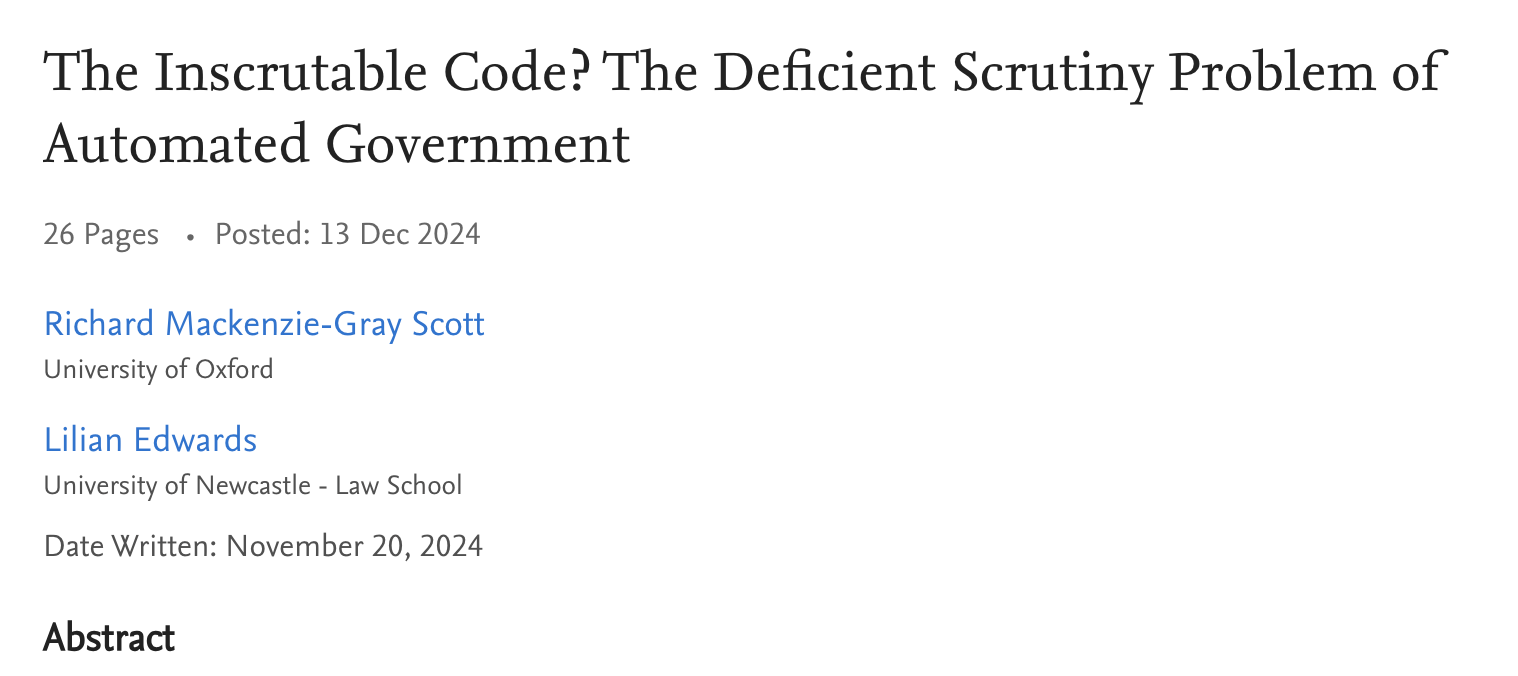
This paper argues that automated decision-making in UK public administration lacks adequate scrutiny, and proposes regulatory safeguards through mandatory pre-deployment impact assessments and algorithmic auditing to strengthen accountability in Parliament and the courts.
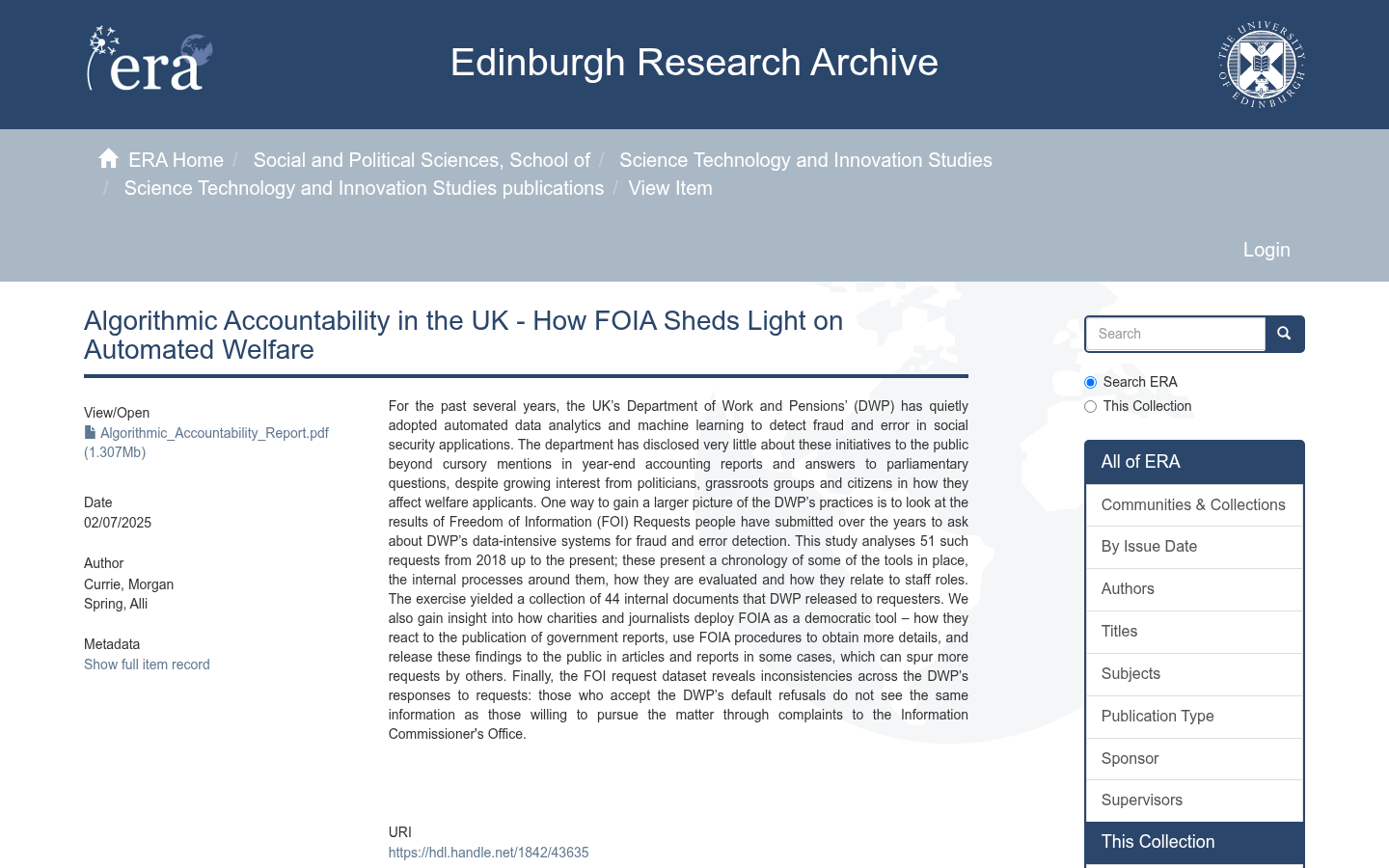
Algorithmic Accountability in the UK - How FOIA Sheds Light on Automated Welfare
The University of EdinburghThis study examines 51 Freedom of Information requests to reveal how the UK’s Department for Work and Pensions uses opaque data-driven fraud detection systems in welfare, highlighting the limited transparency, the role of journalists and charities in uncovering details, and inconsistencies in the department’s disclosures.

Multiracial Democracy Project
The George Washington University, I Street Northwest, Washington, DCThrough research, analysis, convenings, and public education, the Project produces solutions that facilitate our nation’s transition to a well-functioning democracy that truly represents our increasingly diverse population.
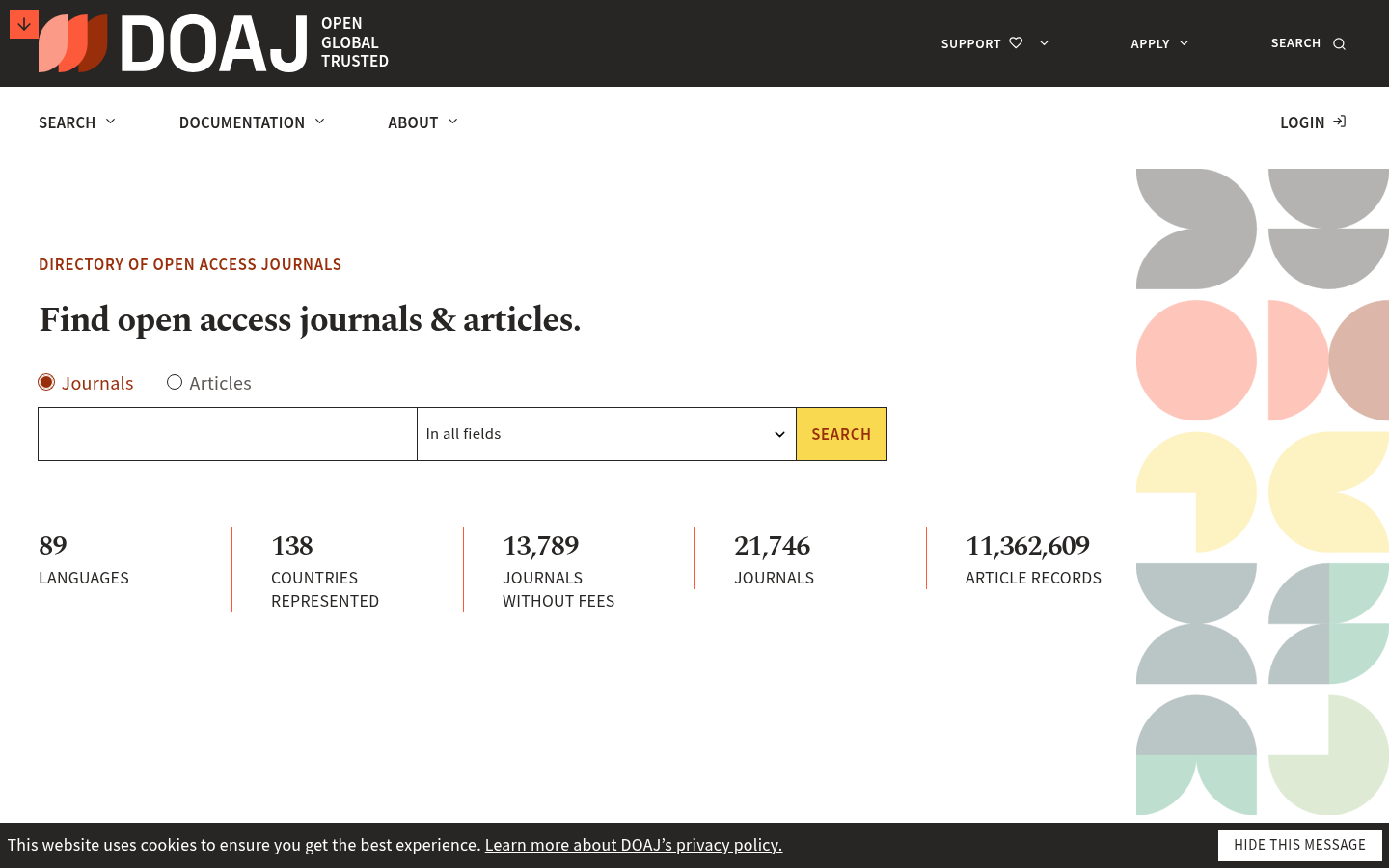
Directory of Open Access Journals (DOAJ)
Denmark (Danmark) 🇩🇰Directory of Open Access Journals: Find open access journals & articles.

ETH Zurich
ZürichSituated in the heart of Europe, yet forging connections all over the world, ETH Zurich is pioneering solutions to the global challenges of today and tomorrow. It has more than 20,000 students from over 120 different countries.

Our aim is to develop an international network of academics and practitioners across the world to critically examine the effectiveness and impact of public engagement with parliament.
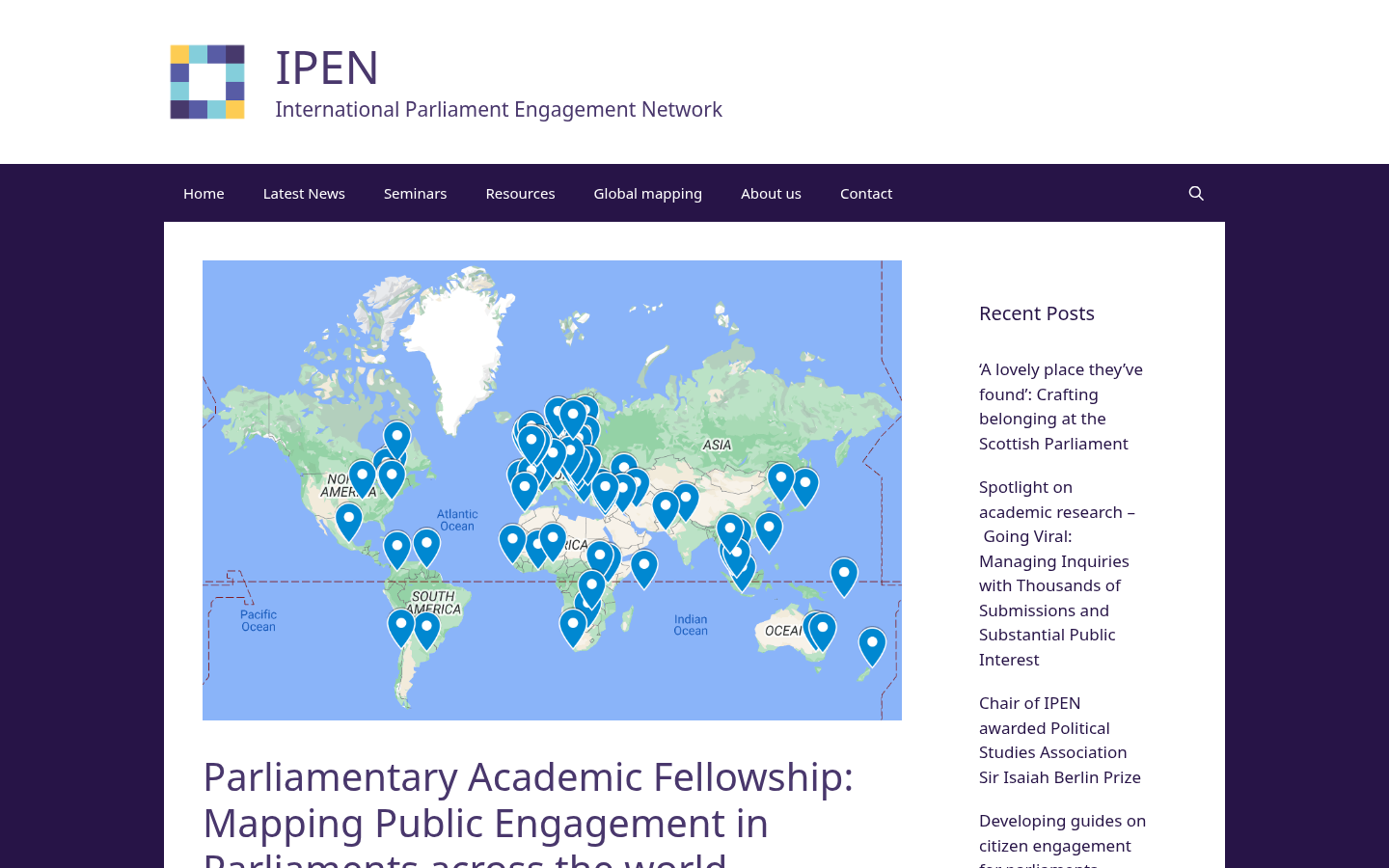
The map of public engagement activities created (similar to this map showing parliaments’ access to academic research) will enable the International Parliament Engagement Network to foster lesson sharing, knowledge exchange and collaborations.
Stavros Niarchos Foundation SNF Agora Institute (SNF Agora)
Johns Hopkins UniversityStrengthening global democracy through powerful civic engagement and informed, inclusive dialogue
BU Platform Governance Lab
Boston UniversityCombating misinformation in digital marketplaces through gamified behavioral experiments. We design two-sided platforms to study and prevent misleading claims that harm consumers and democracy.
Stanford Cyber Policy Center
Stanford University, Serra Mall, Stanford, CAStanford University's research center for the interdisciplinary study of issues at the nexus of technology, governance and public policy
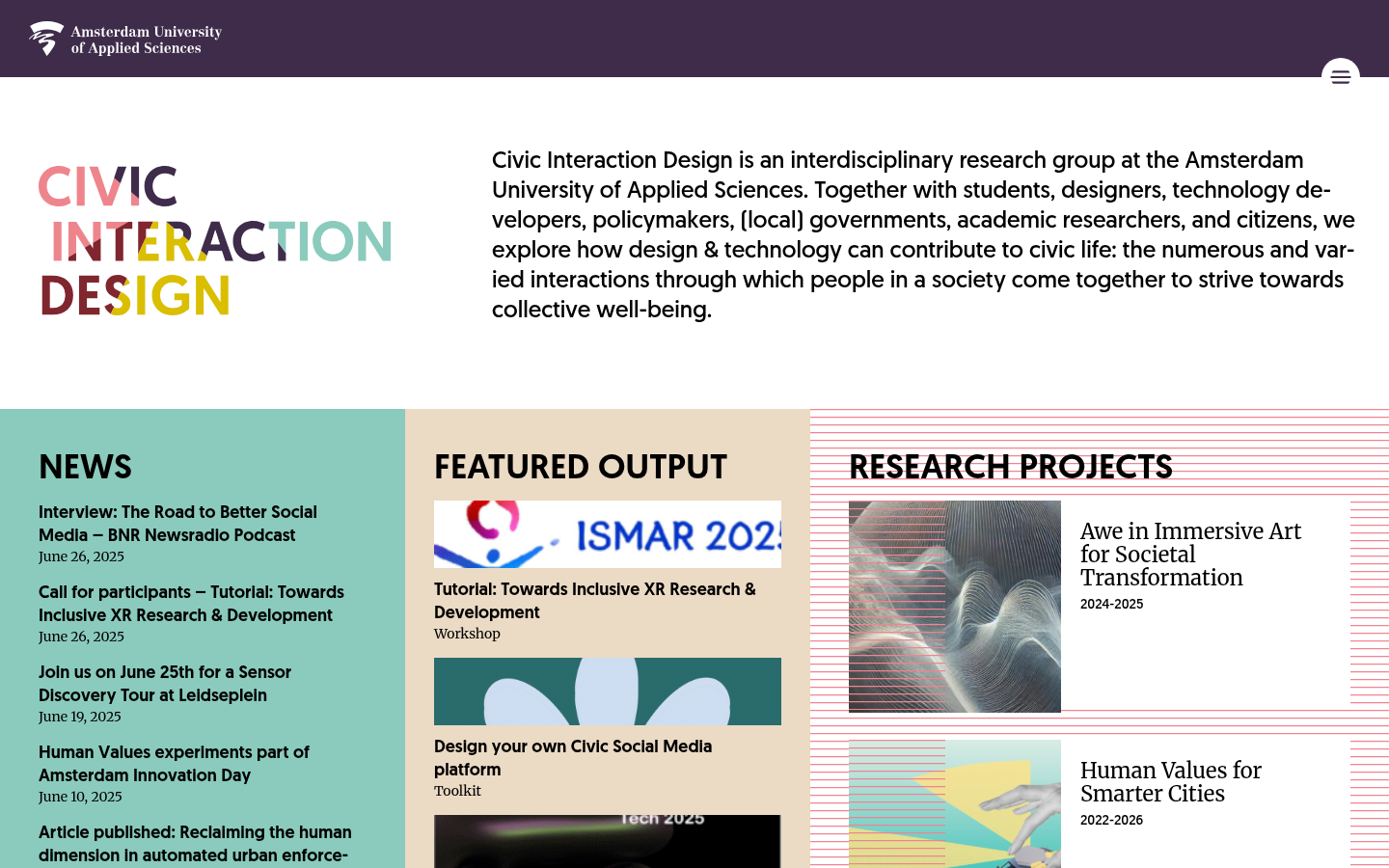
Civic Interaction Design Research Group
AmsterdamCivic Interaction Design is an interdisciplinary research group at the Amsterdam University of Applied Sciences.

L.A. TACO Media Lab
Los AngelesUSC Annenberg and L.A. TACO have developed a new course, “Bridging the Gap Between L.A. Influencers and Independent Journalists,” which will provide time and space for USC students to contribute to the L.A. TACO Media Lab.

Peacetech and Polarization Lab at University of Notre Dame
Notre Dame, IndianaThe PeaceTech and Polarization (PTAP) Lab, part of the Kroc Institute for International Peace Studies within the Keough School of Global Affairs, offers students the opportunity to study and research the design and functions of technology and its intersection with peacebuilding and democracy.

The Centre for Communication Governance at National Law University Delhi (CCG) is a research centre within NLU Delhi and is meant to ensure that the Indian legal education establishment engages more meaningfully with communication law and policy, and offers academic contribution to communication policy making.

GovTech Campus Deutschland
Germany (Deutschland) 🇩🇪Technologien für die Zukunft von Staat und Verwaltung
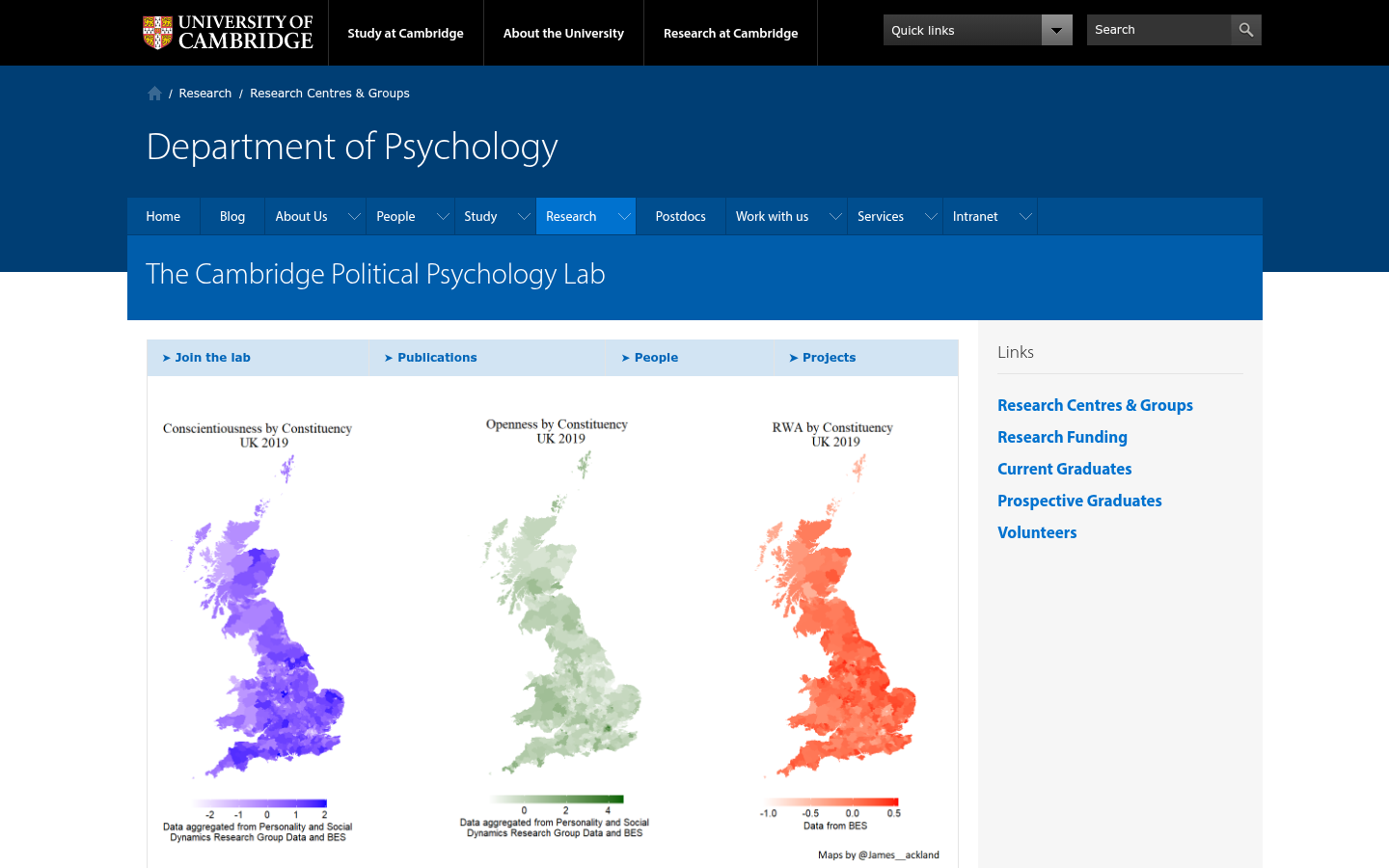
The Cambridge Political Psychology Lab
Cambridge, UKThe recently established Cambridge Political Psychology Lab attempts to apply insights from psychology to understand real world political decision making.
Get email updates
Helpful Links
Reach Out
A project of

With support from
National Endowment for Democracy
Founding Organization
Civic Hall
Technology partner

 Civic Tech Field Guide