Civic Tech Field Guide
Sharing knowledge and productively growing the fieldThe People > Learn about civic tech - (513)
This category collects different learning resources about civic tech. You can find from blogs that explain how to enhance the relationship between people and governments to podcasts and films on how humanitarian organizations are responding to crises. The collection also includes books, newsletters, research, catalogs, reports, and information about courses, trainings, and workshops.
Showing 513 Results

Disentangling participation in online political discussions with a collective field experiment
Stanford University, Serra Mall, Stanford, CAThese findings support preference- and incentive-based accounts of participation but suggest that light-touch interventions are unlikely to bridge participation gaps, let alone polarization.
Democracy Champions’ Pocket Guide
United States of America 🇺🇸The Keseb Democracy Champions’ Pocket Guide is a digital resource hub offering key trends, frameworks, and strategic recommendations to advance democratic resilience and innovation.
The Outlook
United States of America 🇺🇸The Outlook is a digital global magazine for and by democracy champions.

The AI 50
100 Blue Ravine Road, Folsom, CA 95630The AI 50, a new recognition program from the Center for Public Sector AI, highlights individuals and organizations making significant contributions to AI adoption and advancement in public sector agencies. Public and private sector participants focused on public service are eligible to submit.
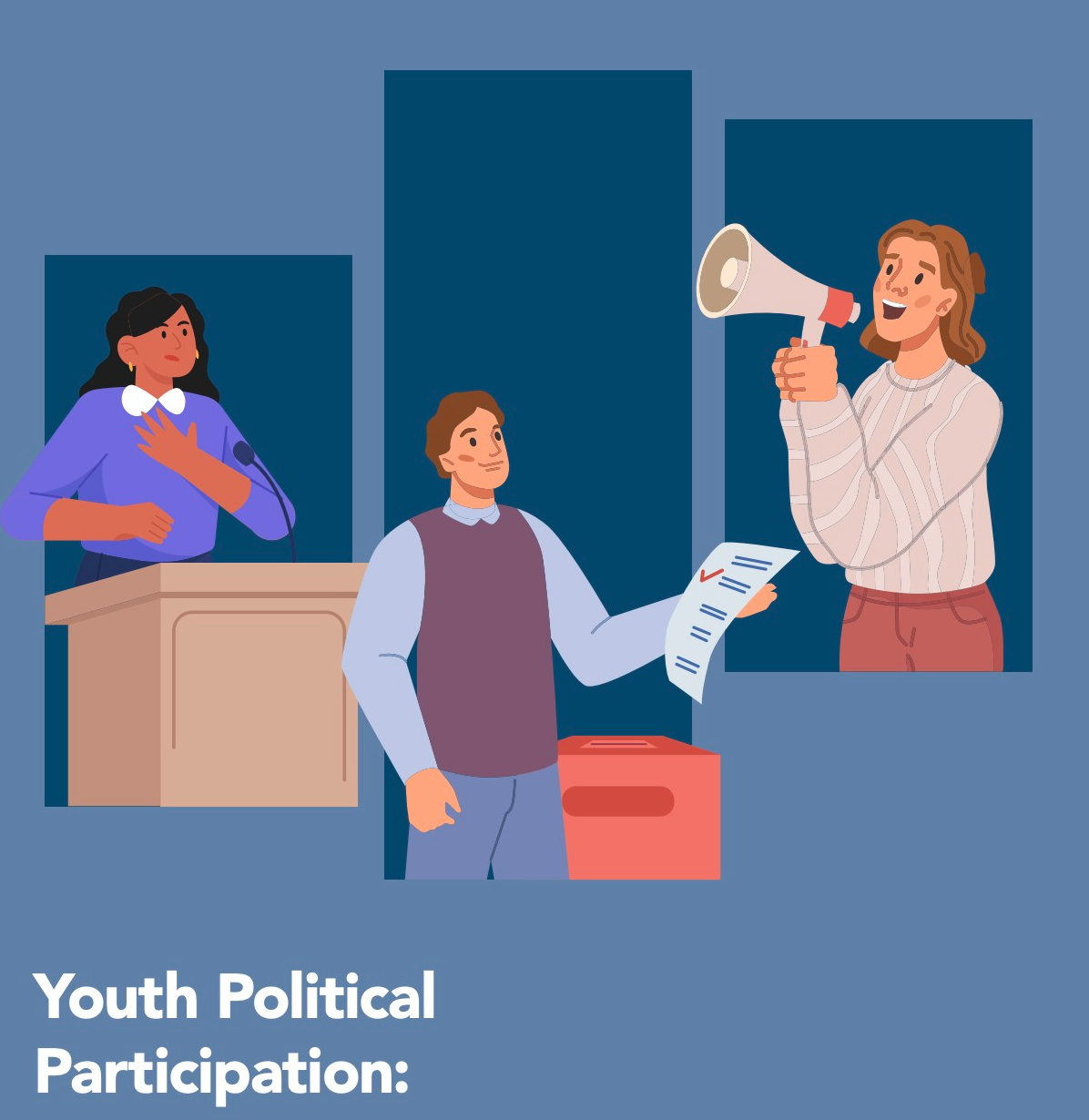
The aim of this research was to conduct a literature review of landmark research pieces and major policies in the field of youth political participation to support the design of EPD programmes.
"[T]his article proposes an open government framework that integrates multiple concepts related to open government and categorizes them as either constitutive components or potential results"


In about 15 minutes, this tool will help you discover the core moral dimensions that guide your ethical judgements.

The Agentic State
TallinnLaunched at the Tallinn Digital Summit 2025, the Vision Paper maps how agentic AI systems will rewire the core functions of government — spanning public services, crisis management, governance, and procurement — and what technological, organisation, and leadership changes are needed to enable this shift.

NYC PIT Pop Up
The Oculus NYThe first-ever NYC PIT Pop Up is a temporary, immersive, pop-up event where technology, art, science, and community converge.

Nothing Personal
Mountain View, CAAn editorial platform for independent thinkers, technologists, and creatives on the front lines of digital culture.
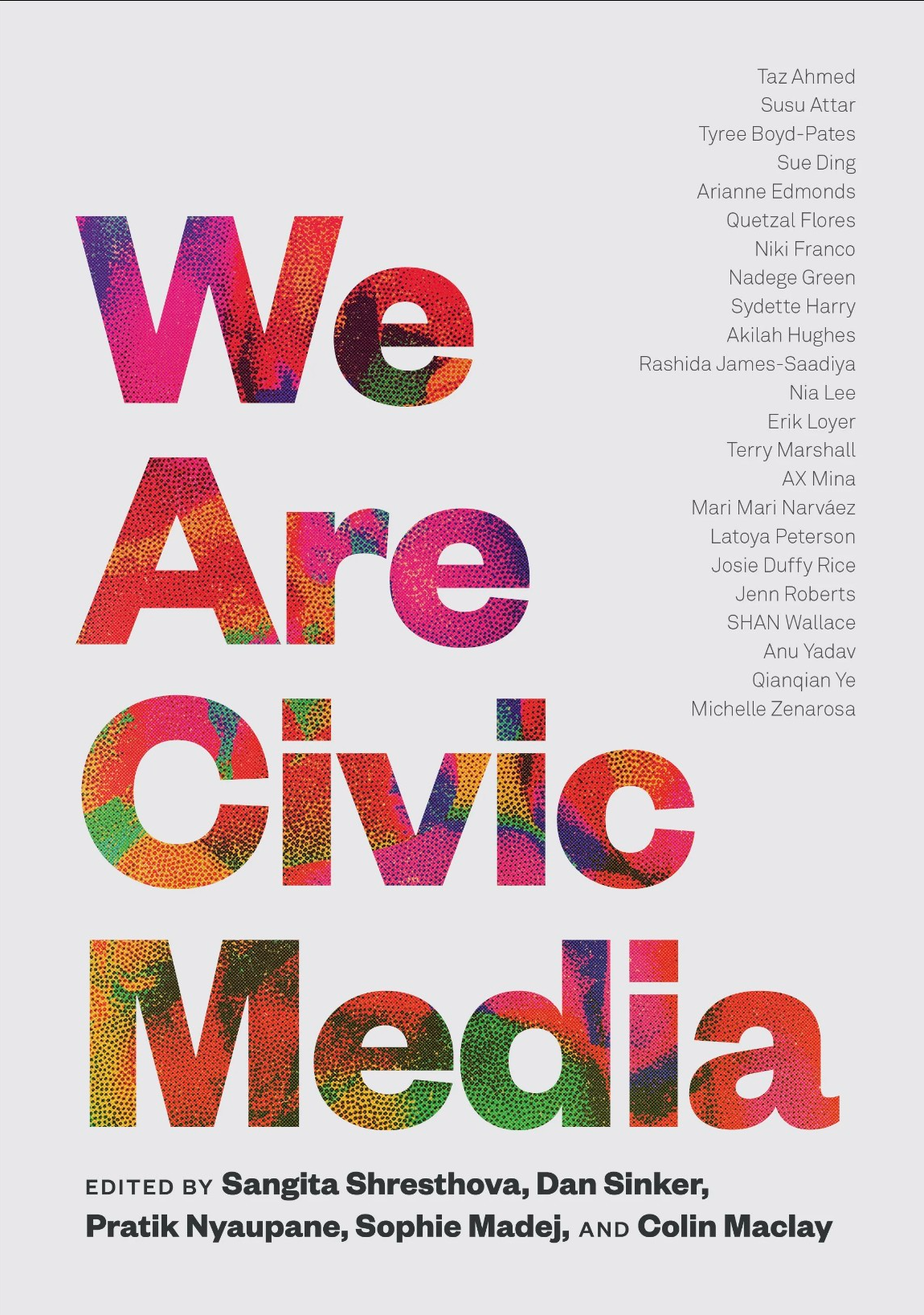
We are Civic Media
USC Annenberg School for Communication and Journalism, Watt Way, Los Angeles, CAWe Are Civic Media is a collective manifesto for field builders, stakeholders, educators, creative professionals, and community leaders who want to understand BOTH the deeply personal human as well as the broader conceptual dimensions of civic media.

Introducing a Research Digest on Digital Deliberation

Computer Says Maybe
United States of America 🇺🇸A podcast about the politics of technology
Terms and Definitions you should know when localizing a product

My promise with Better (Political) Leadership is simple: reflections that are practical, timely, evidence-based, inspiring, and human. For all leaders—but especially for those in politics, where every decision is magnified and every mistake can feel existential.

A how-to-series on the command line and Bellingcat research tools. Created with the beginner researcher in mind.

InnovateUS
BostonInnovateUS provides no-cost, at-your-own-pace, and live learning on data, digital, innovation, and AI skills for public service professionals like you.

"In this report, we look at all multiple forms of assemblies including civic assemblies, people’s movement assemblies and governing power assemblies. We discuss the potential and limitations of each model, explore how assemblies across the board have struggled to achieve impact and durability, and discuss ways that an “equitable power-building approach” can strengthen assemblies’ impact and durability over time."
Research division focused on new digital technologies and politics
The Global Public Policy Institute (GPPi) is an independent non-profit think tank based in Berlin. We conduct research, offer ideas and advice and facilitate dialogue, seeking to contribute to a world that is more peaceful, just and equipped to address global challenges.
Democracy Innovators Podcast
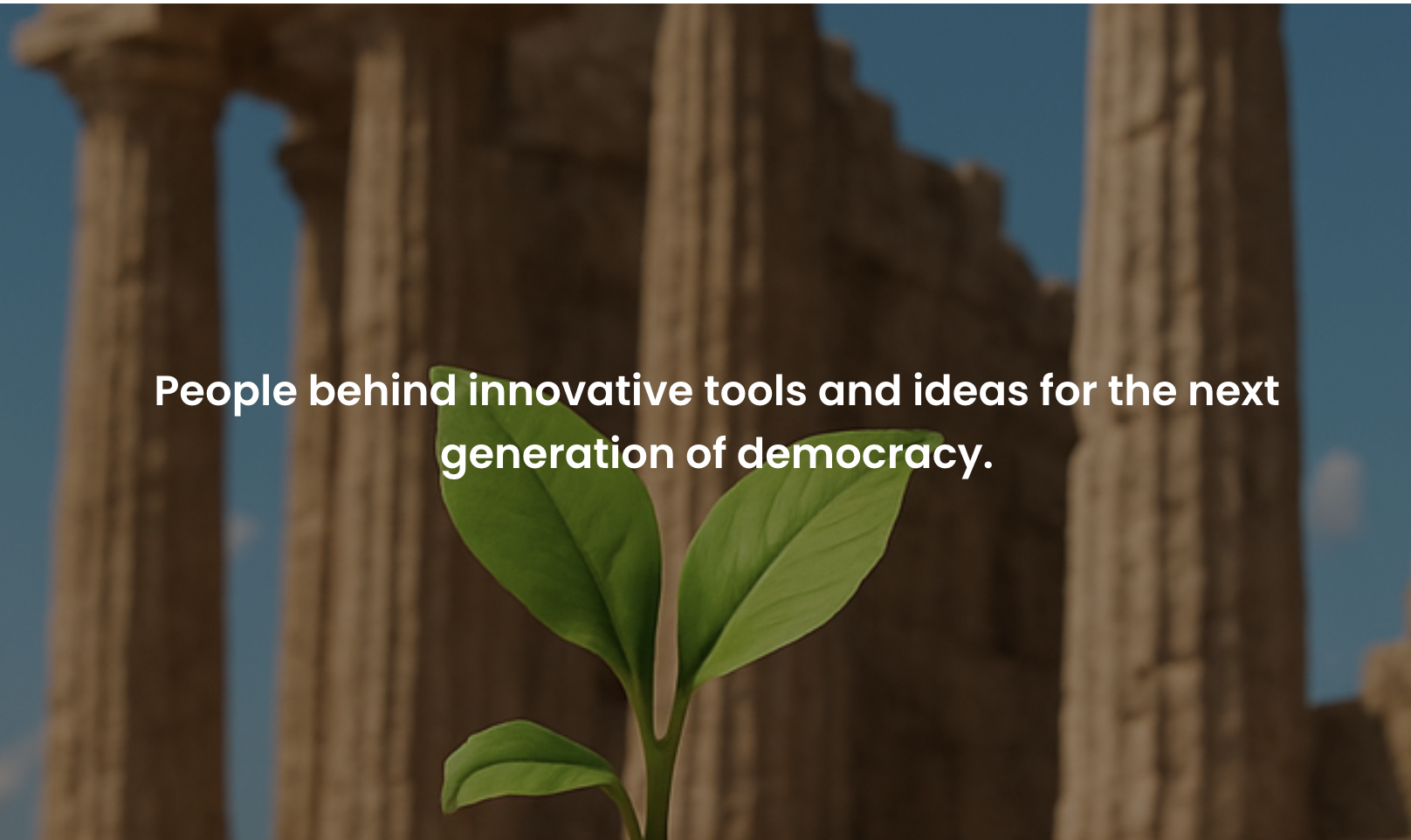
EuropePeople behind innovative tools and ideas for the next generation of democracy.
World Bank Global Program on GovTech & Public Sector Innovation
The World Bank Group, H Street Northwest, Washington D.C., DCThe objective of this strategic framework is to mainstream citizen engagement in World Bank Group (WBG)-supported policies, programs, projects, and advisory services and analytics to improve their development results and within the scope of these operations, contribute to building sustainable national systems for citizen engagement with governments and the private sector.
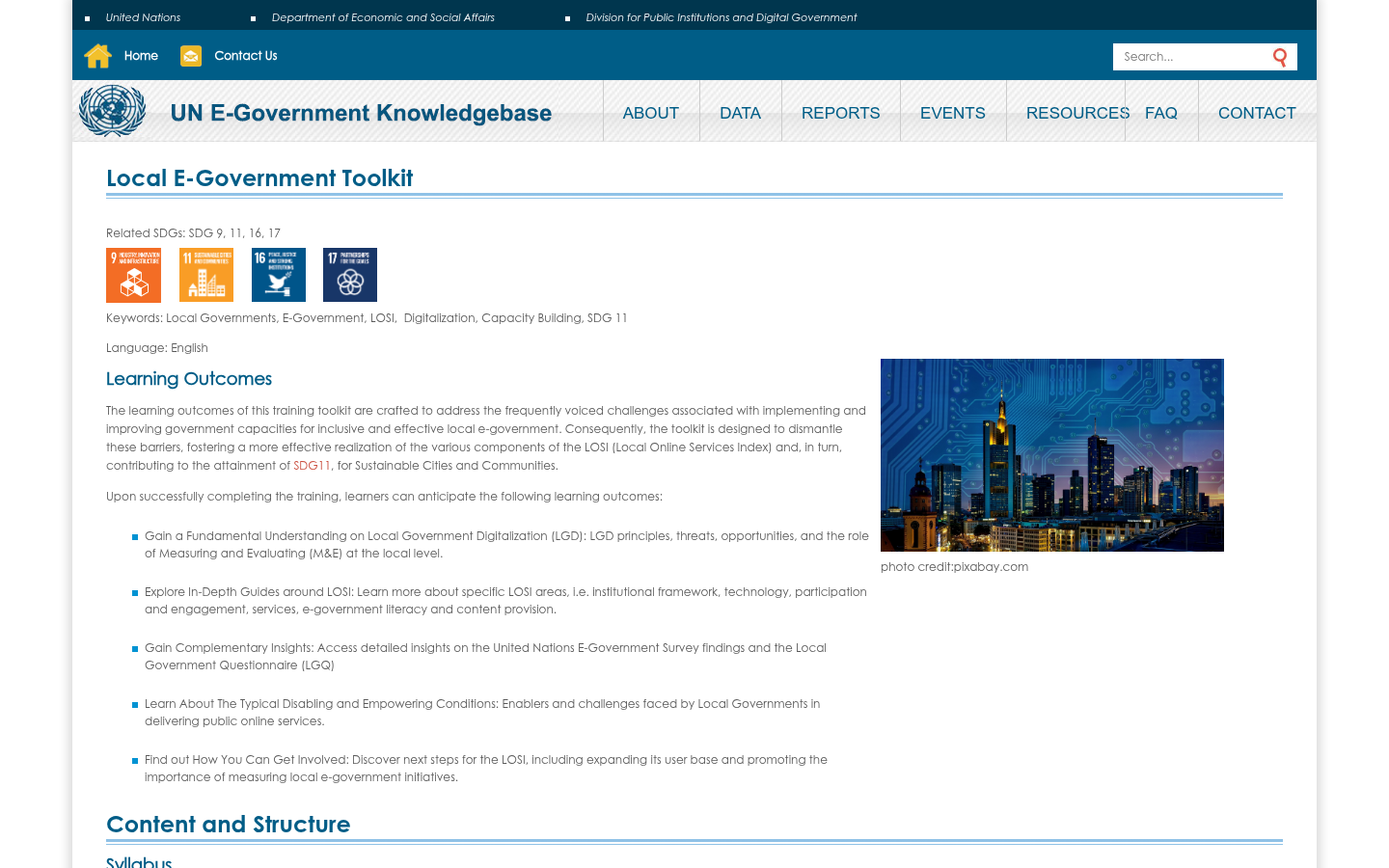
The learning outcomes of this training toolkit are crafted to address the frequently voiced challenges associated with implementing and improving government capacities for inclusive and effective local e-government.
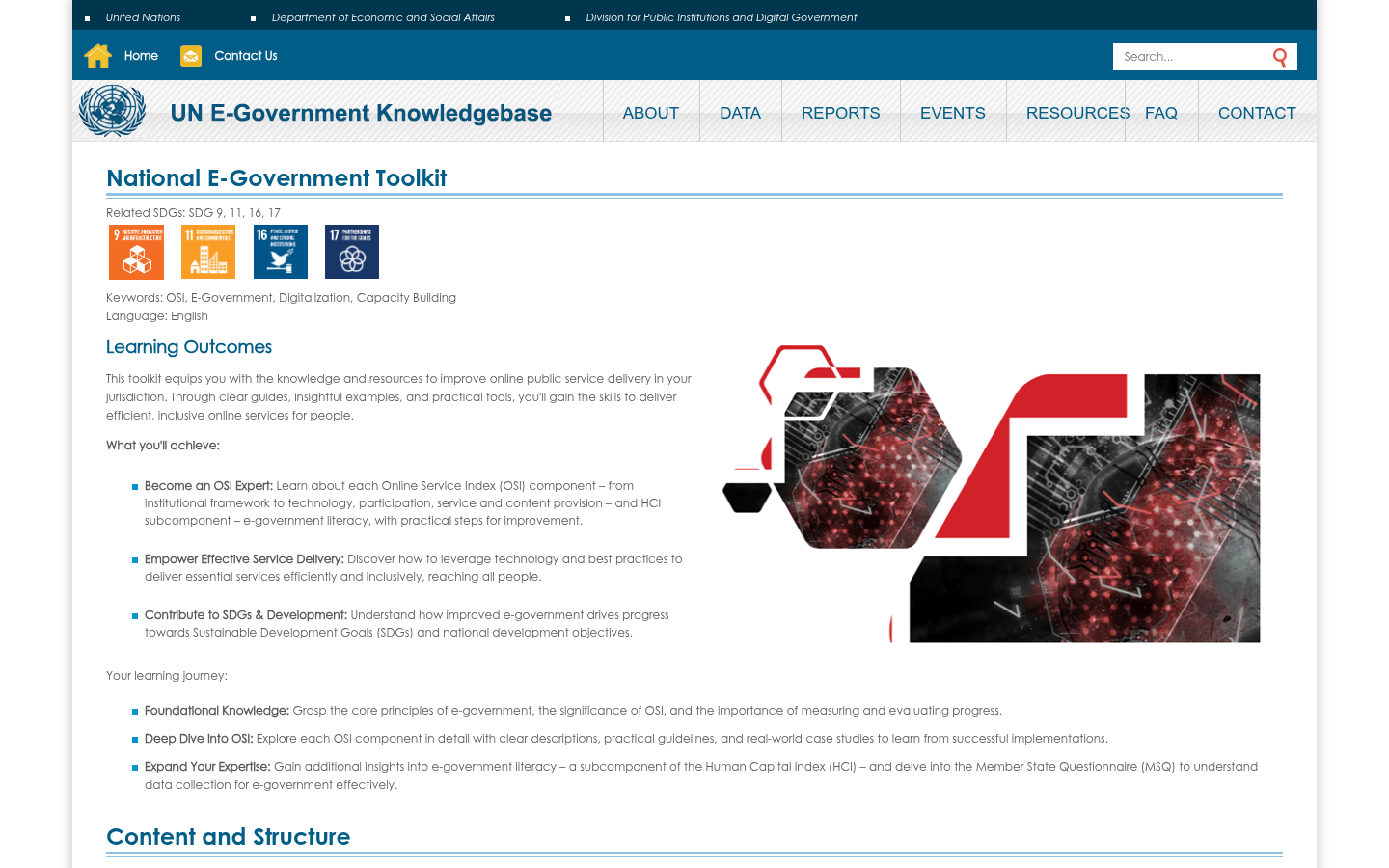
The learning outcomes of this training toolkit are crafted to address the frequently voiced challenges associated with implementing and improving government capacities for inclusive and effective local e-government.
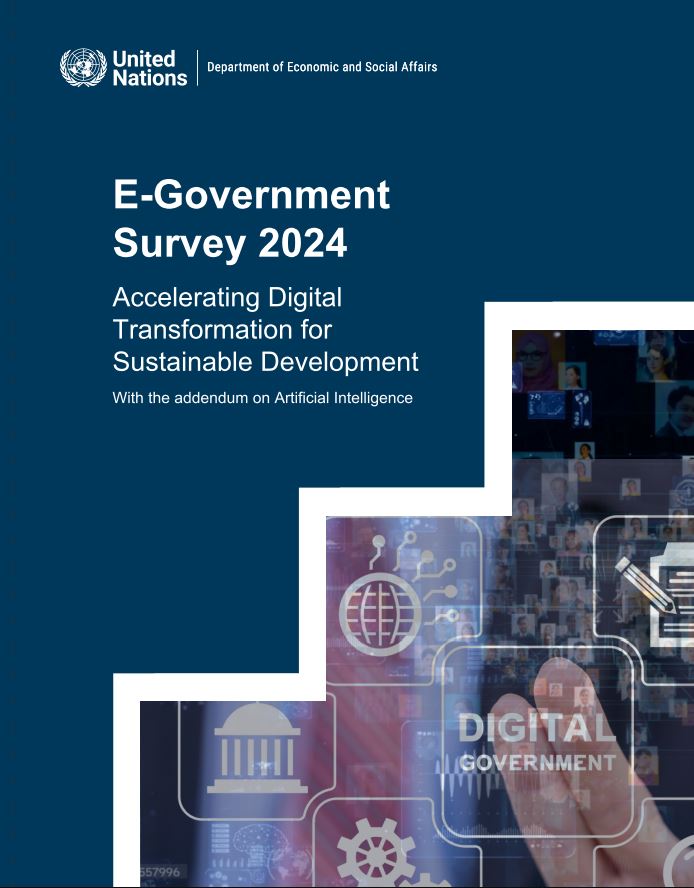
Since 2001, the United Nations E-Government Survey has provided a comprehensive assessment of the digital government landscape across all 193 Member States.
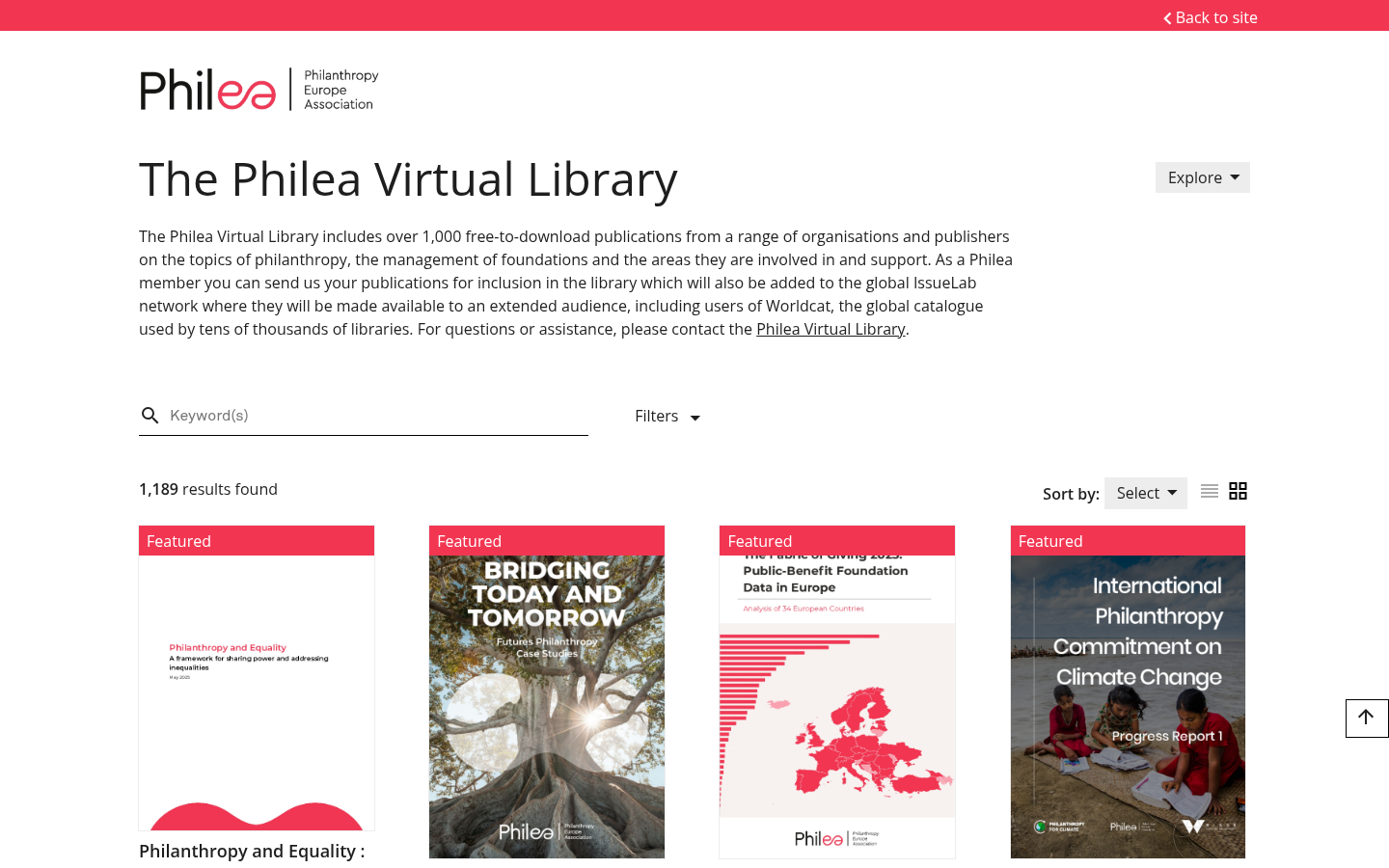
The Philea Virtual Library
BrusselsThe Philea Virtual Library includes over 1,000 free-to-download publications from a range of organisations and publishers on the topics of philanthropy, the management of foundations and the areas they are involved in and support.

Futurepolis
Berkeley, CAWhat would democracy look like if it were being invented today, instead of in the 18th century? That’s the driving question of Futurepolis.
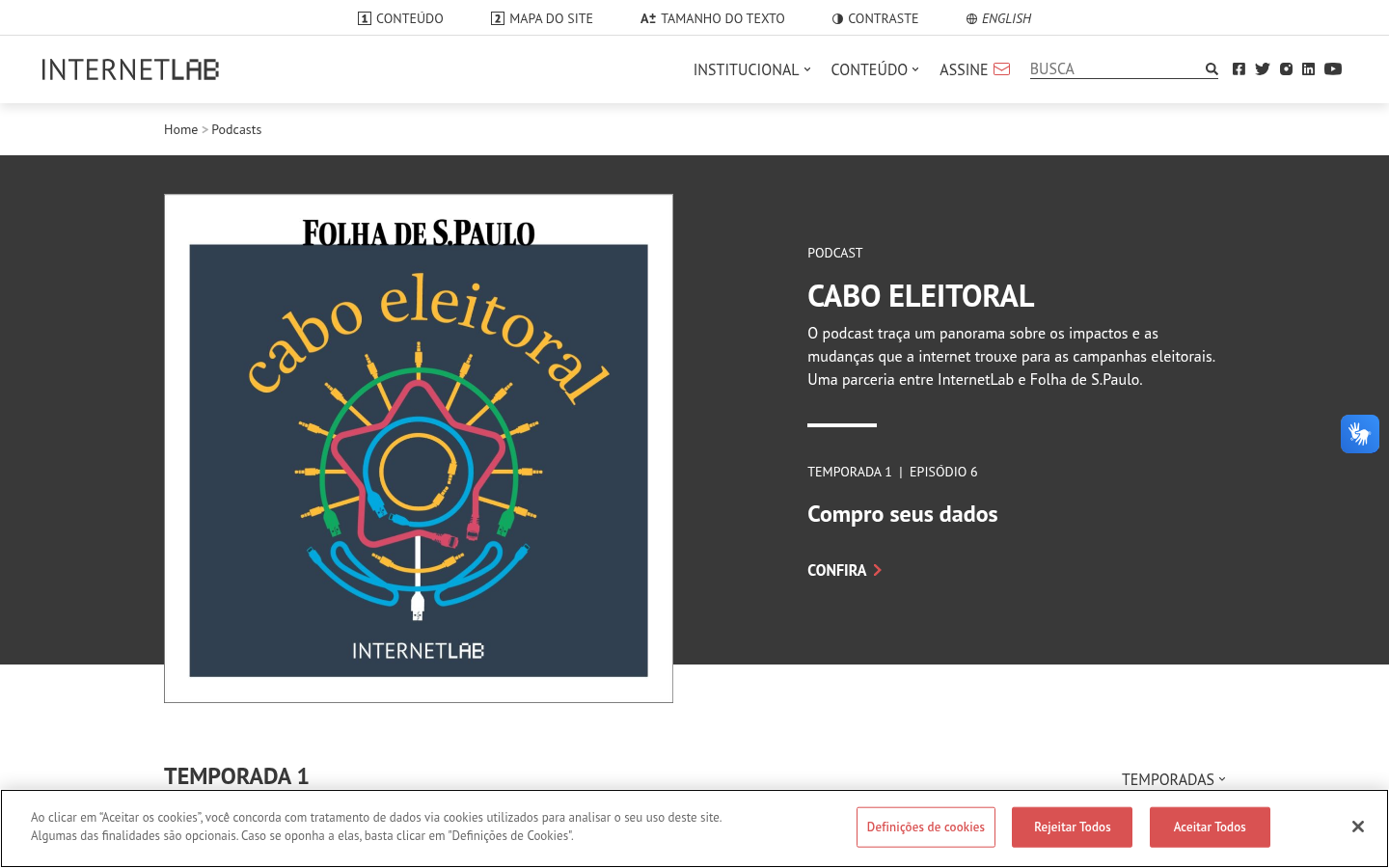
Cabo Eleitoral
São PauloO podcast traça um panorama sobre os impactos e as mudanças que a internet trouxe para as campanhas eleitorais.
Caixa-Preta
São PauloCaixa-Preta é um podcast que trata de assuntos ligados ao impacto da tecnologia na sociedade.

Software Reuse through Open Source Software in the Public Sector
Denmark (Danmark) 🇩🇰A qualitative survey on Policy and Practice, by Johan Linåker, Sachiko Muto

Dadocracia
São PauloUm podcast voltado para as mais diversas discussões entre tecnologia e sociedade. Listen on Spotify
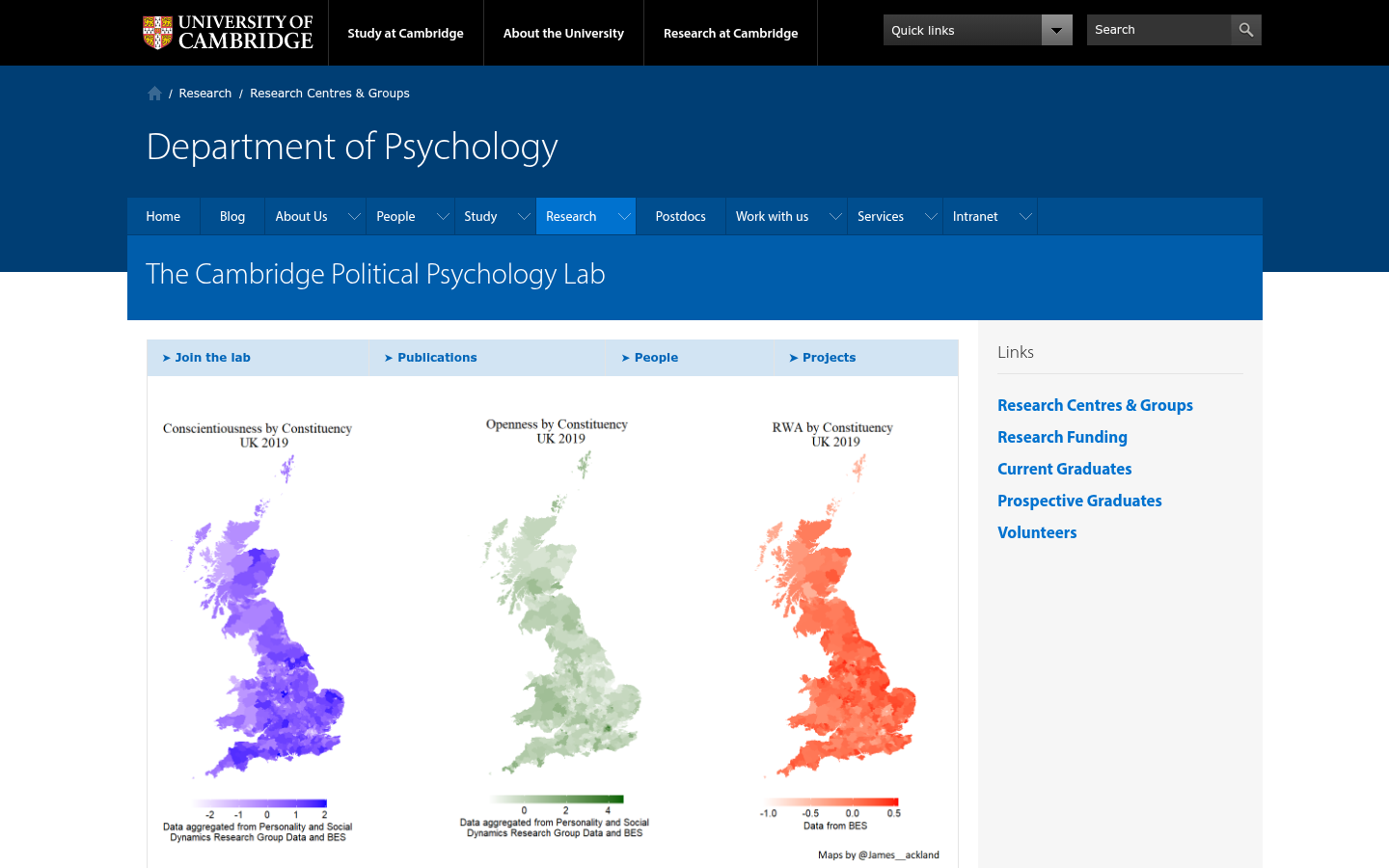
The Cambridge Political Psychology Lab
Cambridge, UKThe recently established Cambridge Political Psychology Lab attempts to apply insights from psychology to understand real world political decision making.

2022 Compilation report by European Democracy Hub and European Partnership for Democracy, funded by Carnegie Europe

This report examines the implications of this new phase of activism for democracy and democracy-support strategies.

Beyond Ballots
BrusselsThis is EPD's weekly newsletter providing updates on the latest democracy news, research, events and job offers.

Youth Political Participation – Literature and Policy Review 1980–2023
United Kingdom of Great Britain and Northern Ireland 🇬🇧This scoping study presents an in-depth exploration of youth political participation, focusing on the design and implementation of youth-related policies.

ACY Learning Hub
Myanmar (Myăma) 🇲🇲E-learning Platform for Myanmar Youth, including Public Engagement courses on media literacy, digital safety, and news literacy.

Digital Public Infrastructure For Digital Governments
OECD, Rue André Pascal, Paris, FranceThis OECD policy paper explores digital public infrastructure (DPI), defined as shared digital systems that are secure and interoperable and that can support the inclusive delivery of and access to public and private services across society.

Deliberative Approaches to Inclusive Governance
Montreal, QC, CanadaFrom world-leading experts in deliberative democracy, civic technology, and AI governance we introduce a seven-part essay series exploring how deliberative democratic processes like citizen’s assemblies and civic tech can strengthen AI governance.

Machines Like Us
Canada 🇨🇦Machines Like Us is a technology show about people.

Good Standing podcast
New York City (NYC / New York, NY)Good Standing is dedicated to exploring how individuals and organizations are driving real-world impact.

Épicos
BrasíliaAumentar a segurança dos servidores públicos na execução de projetos inovadores, valorizando, prestigiando e dando voz aos inovadores.

零時小學校 sch001
Taiwan (T'ai-wan) 🇹🇼零時小學校(Sch001)是聚焦在教育的 g0v 專案


Civic Tech Project & Community Handbook
Taiwan (T'ai-wan) 🇹🇼From Taiwan’s g0v Community to the World: The Collaborative Wisdom of Digital Citizens
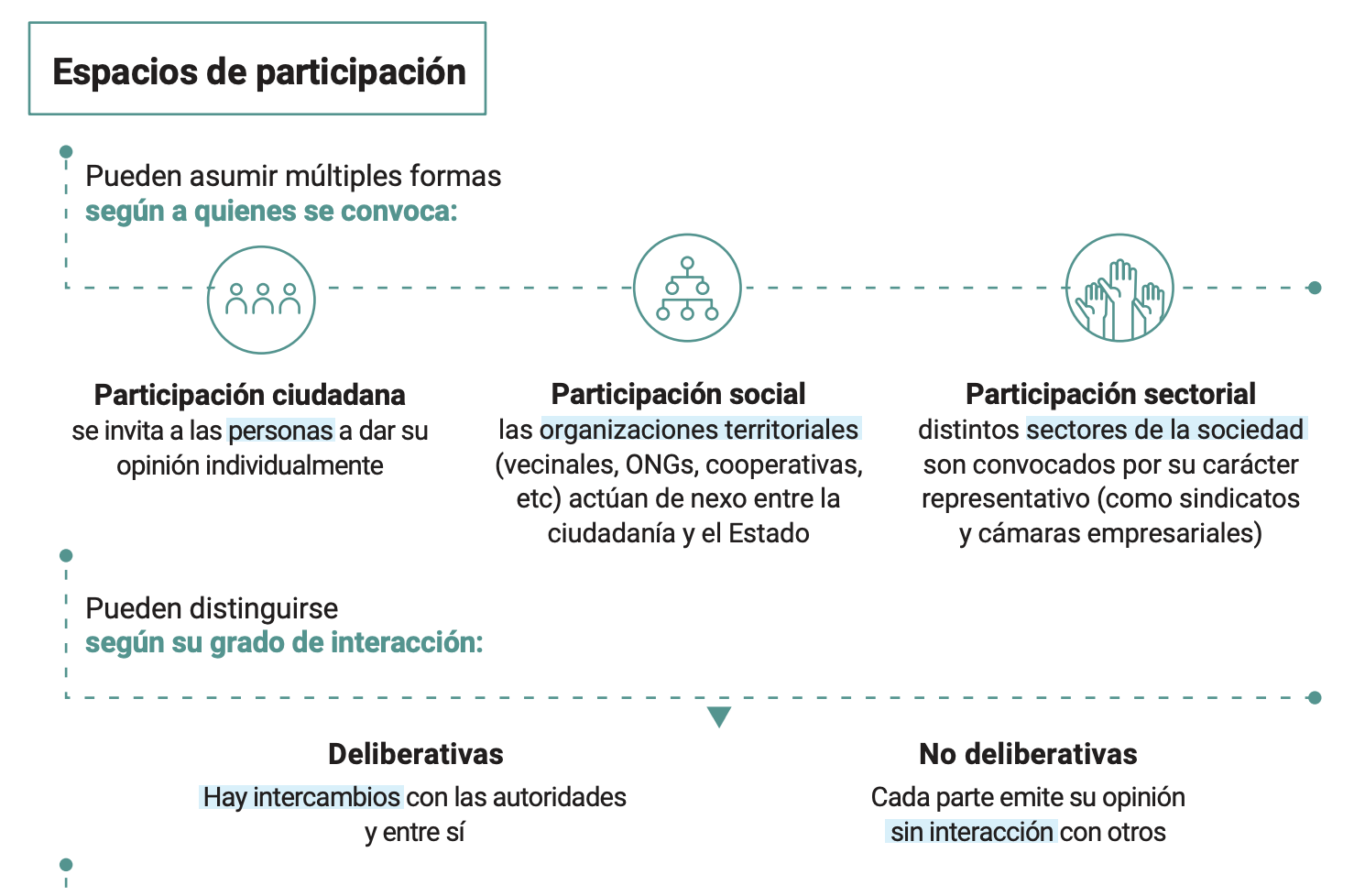
Guía para el Desarrollo de Espacios Participativos
Argentina 🇦🇷Abordaje conceptual y metodológico para la incorporación de las preferencias de la ciudadanía en políticas públicas
Get email updates
Helpful Links
Reach Out
A project of

With support from
National Endowment for Democracy
Founding Organization
Civic Hall
Technology partner

 Civic Tech Field Guide