Civic Tech Field Guide
Sharing knowledge and productively growing the fieldThe Tech > Emerging tech > Artificial Intelligence - (930)
Technologies that train models to autonomously support or function independently of direct human effort. Also known as AI or IA (in Romance languages).
Showing 930 Results

The AI 50
100 Blue Ravine Road, Folsom, CA 95630The AI 50, a new recognition program from the Center for Public Sector AI, highlights individuals and organizations making significant contributions to AI adoption and advancement in public sector agencies. Public and private sector participants focused on public service are eligible to submit.

We are experimenting with using AI tools to extend our work as a small nonprofit, so that we can focus our time on reinforcing human connections, conversations, and communities that have eroded.
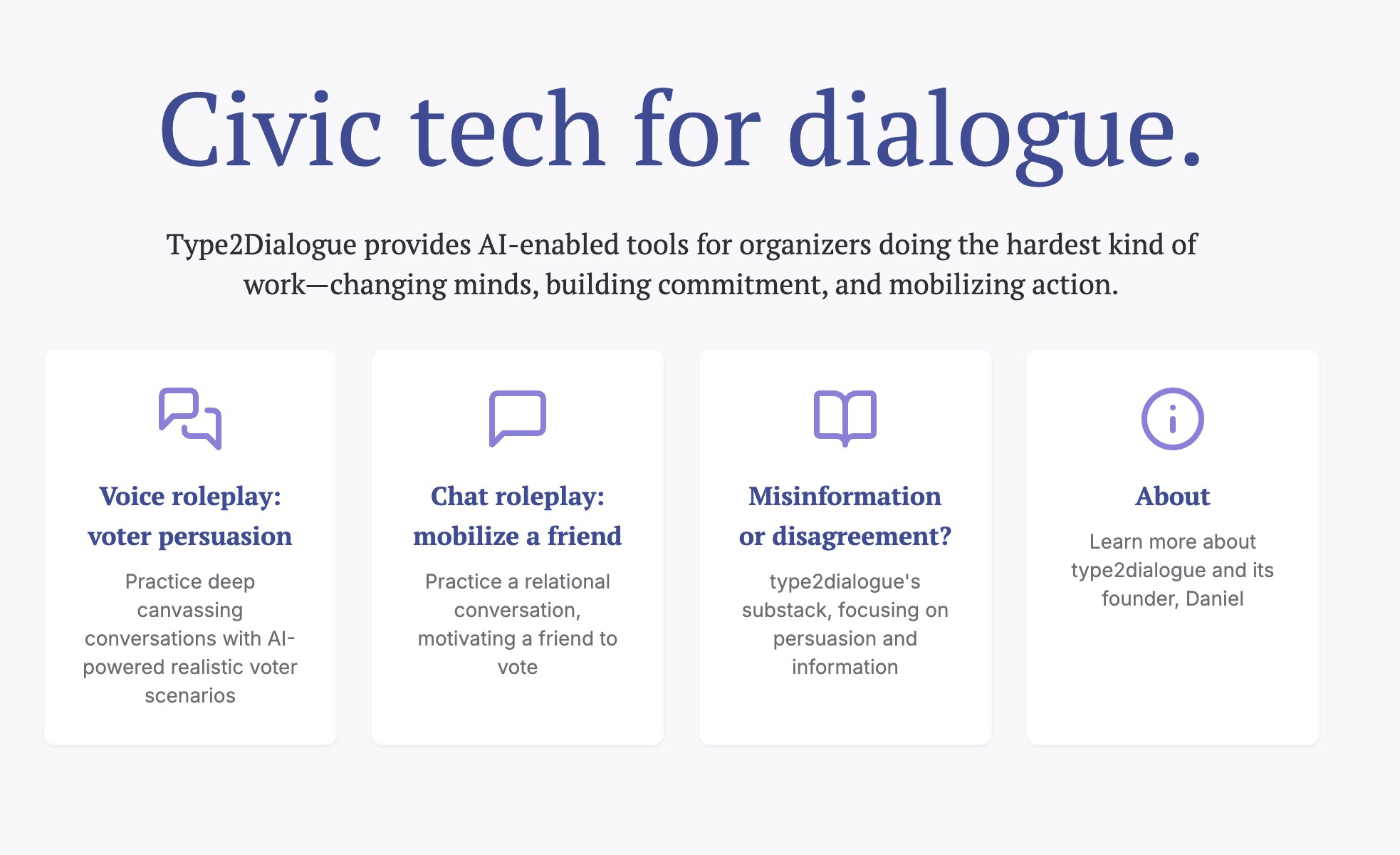
type2dialogue
United States of America 🇺🇸Type2Dialogue provides AI-enabled tools for organizers doing the hardest kind of work—changing minds, building commitment, and mobilizing action.

canvasstraining.org
United States of America 🇺🇸Practice canvassing with a virtual voter; get feedback on how well you connected with them

PILLARS
United States of America 🇺🇸An all-in-one politics app designed to make politics simple, accessible, and actionable.

The Agentic State
TallinnLaunched at the Tallinn Digital Summit 2025, the Vision Paper maps how agentic AI systems will rewire the core functions of government — spanning public services, crisis management, governance, and procurement — and what technological, organisation, and leadership changes are needed to enable this shift.

NY State Assembly Bill 2025-A1417
Albany, NYThe State of New York passed a bill outlawing the use of algorithmic pricing by landlords to determine rent prices. Score one for not using AI to make bad things (the housing and cost of living crises) worse!
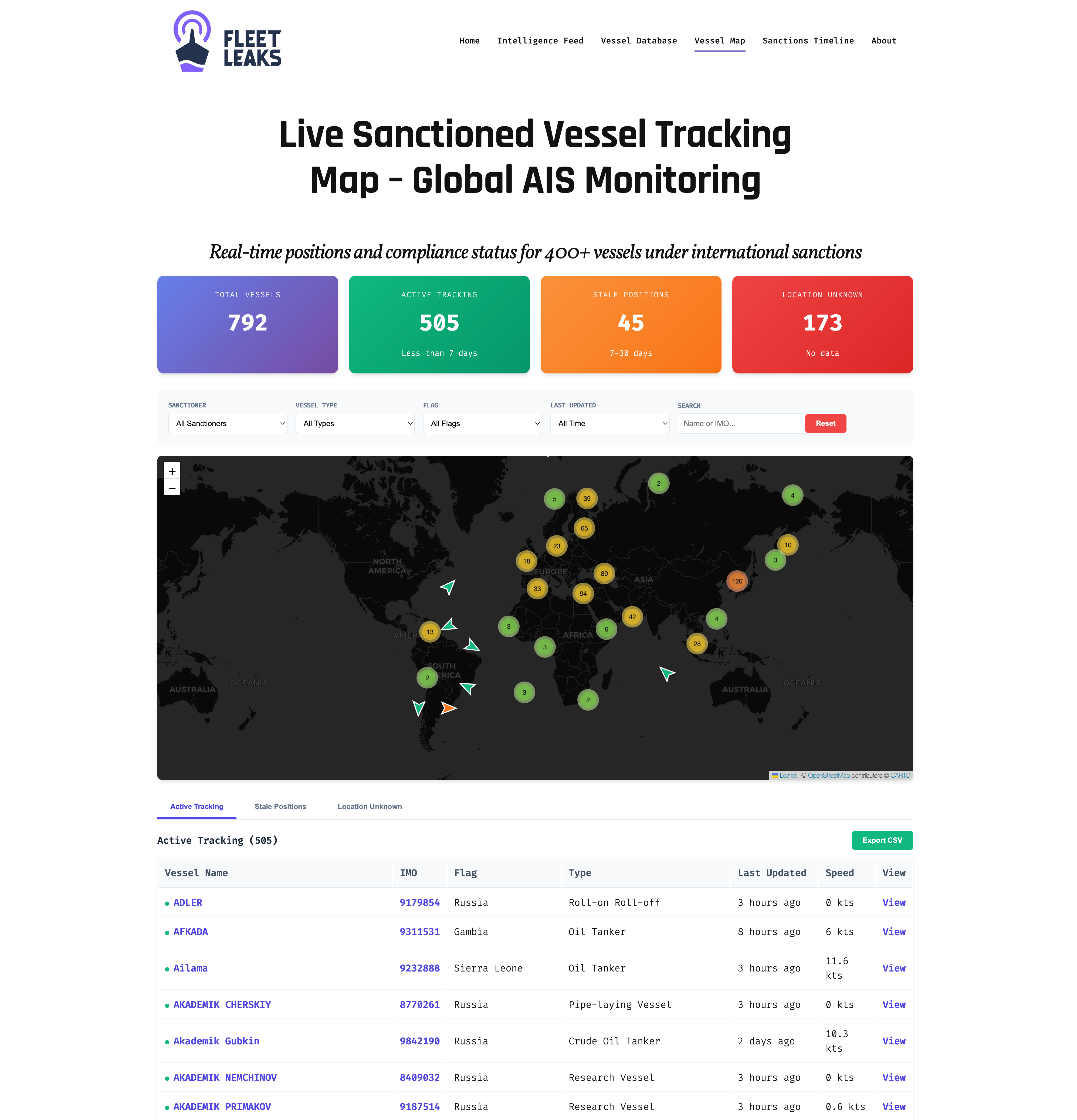
FleetLeaks
VirginiaFree maritime sanctions database tracking 800+ vessels across OFAC, EU, UK, CA, AU, NZ with live AIS monitoring to expose shadow fleet operations.

Humanity AI
1991 Broadway Street, Suite 200, Redwood City, California 94063A broad coalition of philanthropic leaders today announced Humanity AI, a $500M five-year initiative dedicated to making sure people and communities beyond Silicon Valley have a stake in the future of artificial intelligence (AI).

Virtual Career Coach
VancouverOur platform equips newcomers with job market tools, interview confidence, and workplace skills, ensuring a smooth transition into the Canadian workforce with tailored job opportunities.

Lenfest AI Collaborative and Fellowship Program
United States of America 🇺🇸Case studies on open source, AI-developed apps built by newsrooms

Legacy news outlets have owners and agendas. We'll sift through all the sources and add a layer of critical thinking, for you.
Up-to-date developments and analyses of the EU AI Act and its implementation

This post is the culmination of a months-long effort to translate principles into a measurable signal and develop an automated evaluation setup to continually track and improve objectivity over time.
Disability and Access in Tech and AI Summit
Cornell TechThe Disability and Access in Tech and AI Summit, powered by YAI, is our annual conference to discuss issues around accessibility, including research, identity, and policy.

Wikidata Embedding Project
BerlinThe project’s aim is to enhance the search functionality of Wikidata by integrating vector-based semantic search.

We urgently call for international red lines to prevent unacceptable AI risks. Launched during the 80th session of the United Nations General Assembly, this call has broad support from prominent leaders in policy, academia, and industry.

Rep Coach
United Kingdom of Great Britain and Northern Ireland 🇬🇧Union reps can be more confident in starting organising conversations after practicing their approach on an AI actor using our tool.

Mútua Systems
São PauloFor impact funders, from VCs to foundations, Mútua combines AI and systems thinking to support mission-aligned decisions that address global challenges.

Governing with Artificial Intelligence report
OECD, Rue André Pascal, Paris, FranceThe State of Play and Way Forward in Core Government Functions
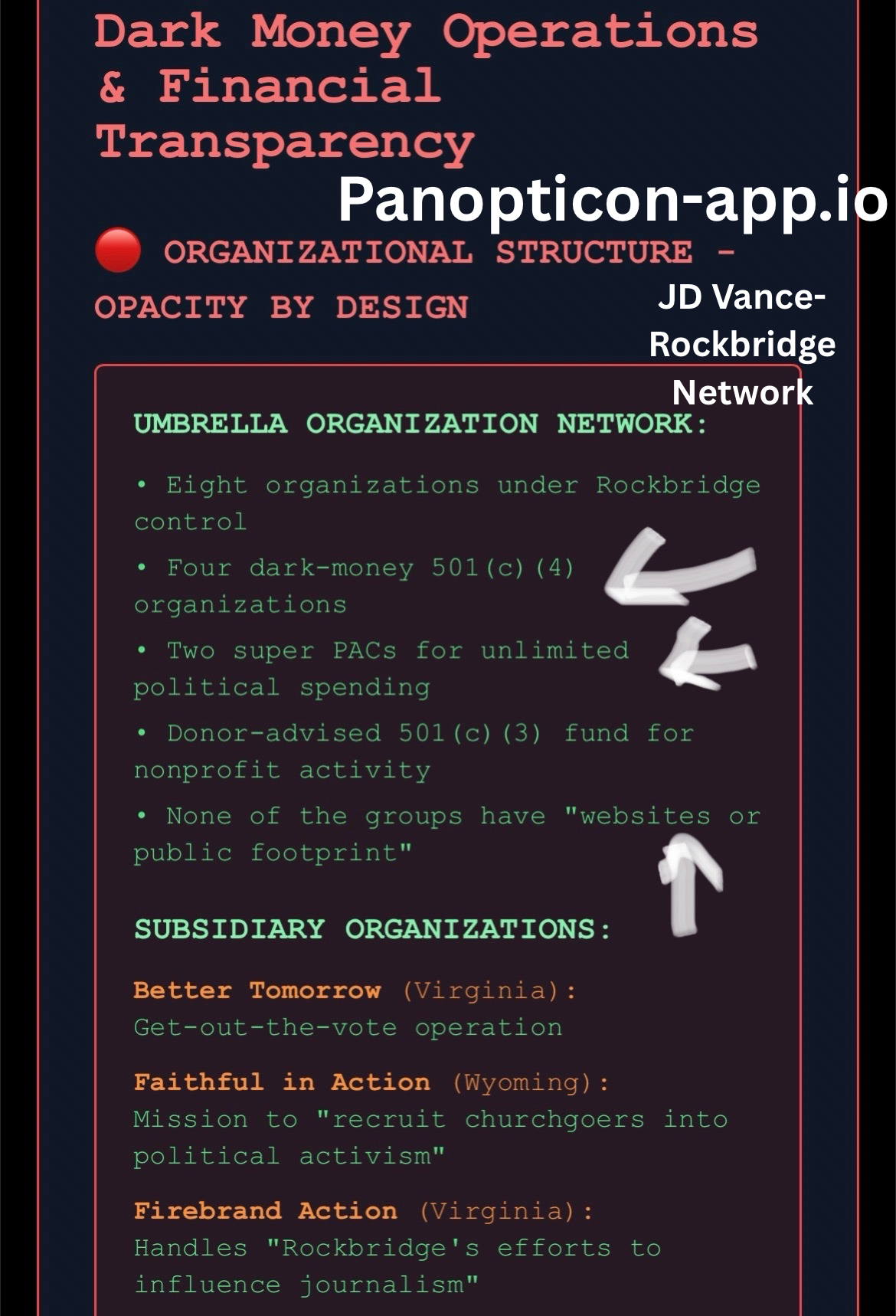
Panopticon
United States of America 🇺🇸A new social media platform in civic tech

Bellingcat Council Meeting Transcript Search
United Kingdom of Great Britain and Northern Ireland 🇬🇧This is a local democracy reporting tool that enables researchers to search auto-generated transcripts of Council meetings for different authorities across the UK and Ireland.

Tarbell Center for AI Journalism
San FranciscoThe Tarbell Center for AI Journalism supports journalism that helps society navigate the emergence of increasingly advanced AI.

The nonprofit RSL Collective brings together millions of online publishers and creators to protect their rights and negotiate for fair compensation from AI companies.
Public AI Inference Utility
United States of America 🇺🇸Our team builds products and organizes advocacy to support the work of public AI model builders like the Swiss AI Initiative, AI Singapore, AI Sweden, and the Barcelona Supercomputing Center. We believe in public AI—AI as public infrastructure like highways, water, or electricity. Think of a BBC for AI, a public utility for AI, or public libraries for AI.

We are the world's first AI alignment alignment center, working to subsume the countless other AI centers, institutes, labs, initiatives and forums into one final AI center singularity.
RSL is an open standard that lets publishers define machine-readable licensing terms for their content, including attribution, pay per crawl, and pay per inference compensation.

TechEquity
OaklandA Better Tech Industry for Everyone
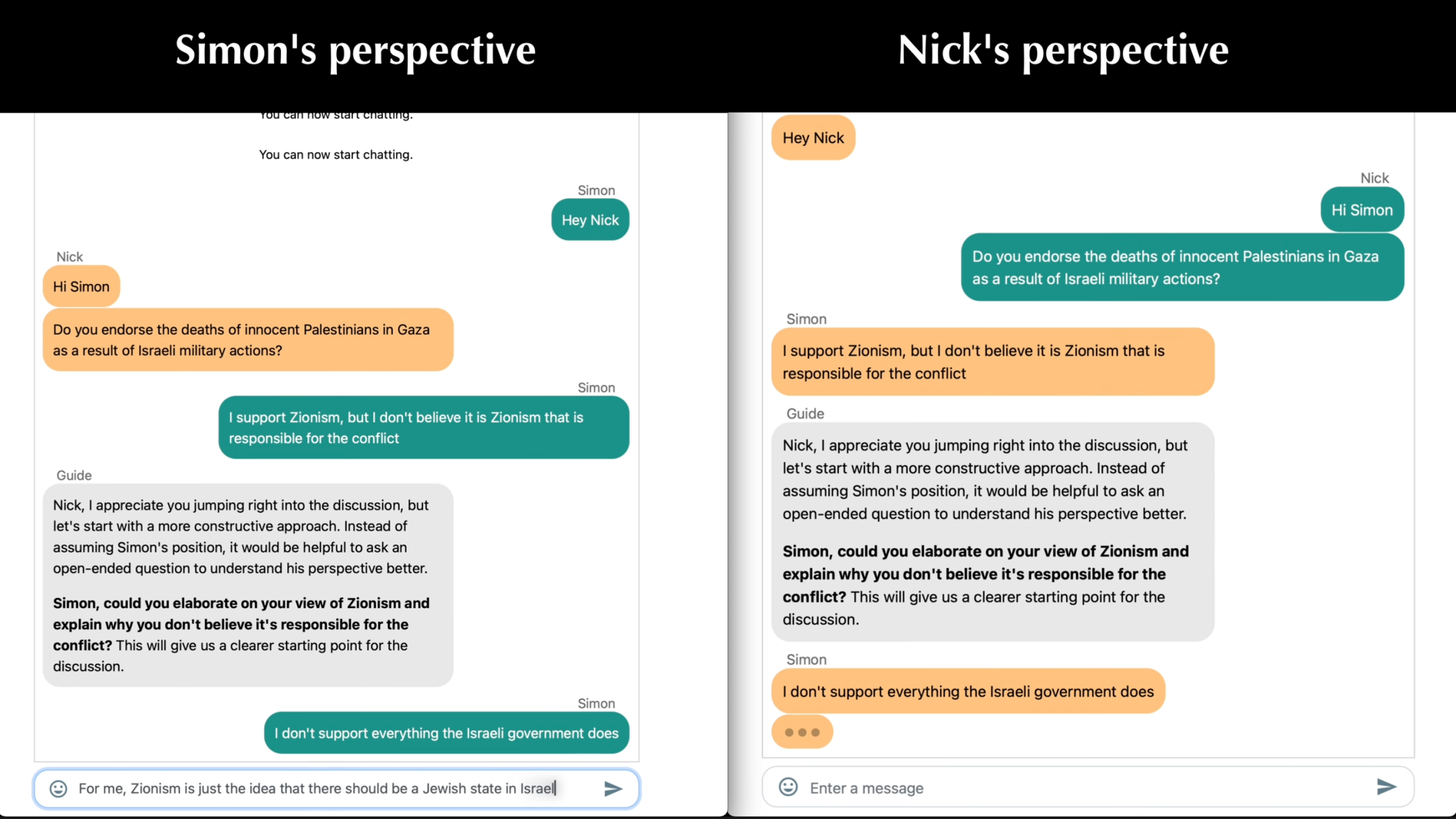
Sway
FloridaSway is a chat platform that connects students with differing perspectives into one-on-one conversations and facilitates better discussions between them.

EyesOnOpenAI
CaliforniaA coalition calling for transparency on OpenAI's efforts to transition from public benefit nonprofit to for-profit

AI technologies can empower public agencies by enabling real-time network monitoring, predictive analytics for risk prevention, and automated responses to cyber incidents

Welcome to The Forum Initiative, we are building a platform dedicated to exploring the pressing issues facing democracy today.

Successful integration of generative AI for civic engagement must be powered by people who use their judgment to validate outputs, mitigate potential errors, contextualize results, and build trust between the government and the community.

Citibot
Charleston, South CarolinaBuilding Multilanguage AI-Powered Chatbots to Foster Trust Between Governments and Residents

Generative AI for Pro-Democracy Platforms
Cambridge, MAOnline discourse faces challenges in facilitating substantive and productive political conversations. Recent technologies have explored the potential of generative AI to promote civil discourse, encourage the development of mutual understanding in a discussion, produce . . .
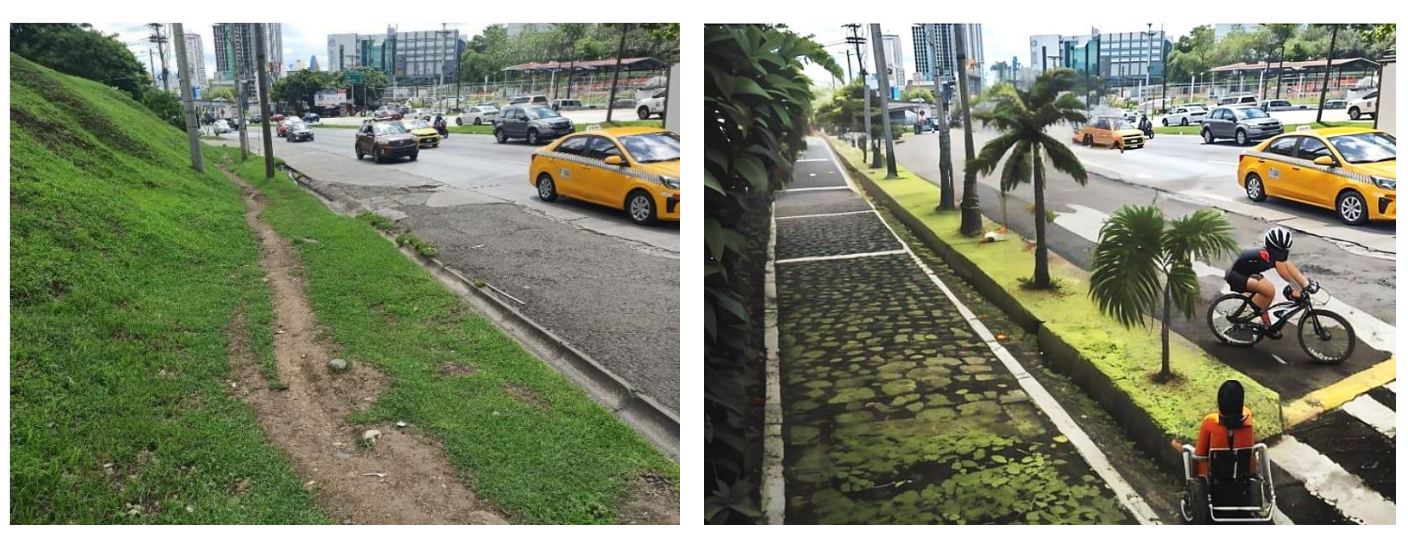
UrbanistAI workshops in Panama City
Panama City, PanamaParticipants worked in mixed-age groups, using UrbanistAI to redesign public spaces based on photographs they had taken themselves.

CONSUL Civic Assistant
AmsterdamFor this project we will be working in a consortium of European partners on an AI-powered Civic Assistant to integrate in the CONSUL DEMOCRACY code base.

OECD.AI is an online interactive platform dedicated to promoting trustworthy, human-centric artificial intelligence (AI).
In collaboration with the private and public sectors, NIST has developed a framework to better manage risks to individuals, organizations, and society associated with artificial intelligence (AI).
ISO/IEC 42001 is an international standard that specifies requirements for establishing, implementing, maintaining, and continually improving an Artificial Intelligence Management System (AIMS) within organizations.

Virtuous
Phoenix, AZVirtuous is fueling a new generation of courageous nonprofit teams to connect with donors, save time, and grow giving like never before.
AI Social Readiness: How does the public feel about AI analysing UK government consultation responses?
United Kingdom of Great Britain and Northern Ireland 🇬🇧Nesta’s Centre for Collective Intelligence, in collaboration with the UK government’s Incubator for Artificial Intelligence, has trialled an approach to involve the public in assessing AI tools for public services.
Public Benefit Innovation Fund (PBIF)
United States of America 🇺🇸responsible experimentation, real-world impact

Algorithmic Accountability in the UK - How FOIA Sheds Light on Automated Welfare
The University of EdinburghThis study examines 51 Freedom of Information requests to reveal how the UK’s Department for Work and Pensions uses opaque data-driven fraud detection systems in welfare, highlighting the limited transparency, the role of journalists and charities in uncovering details, and inconsistencies in the department’s disclosures.

GoVia
United States of America 🇺🇸Multi-function AI assistant for police accountability, including real-time legal advice and crowdsourcing on policemen's behaviors


RealPage
United States of America 🇺🇸Algorithmic rent-price setting company

Stichting Internet Archive / Internet Archive Europe
Netherlands (Nederland, Holland) 🇳🇱Internet Archive Europe is a project by the Dutch non-profit research library Stichting Internet Archive. It is building collections and tools to bring them to life.
Get email updates
Helpful Links
Reach Out
A project of

With support from
National Endowment for Democracy
Founding Organization
Civic Hall
Technology partner

 Civic Tech Field Guide